Top Emergency Plumbers in Dunlap, IA, 51529 | Compare & Call

There are 239 plumbing companies server in Dunlap IA
Steve's Comfort Systems
Steve Bell founded Steve's Comfort Systems in Vermillion, SD, in 1979, driven by a passion for helping people find healthy, practical, and effective solutions for their home and business mechanical sy...
G Pulse Plumbing, Heating, and Cooling
G Pulse Plumbing, Heating, and Cooling is Vermillion, SD's trusted partner for reliable home systems. We specialize in a full range of plumbing services, from routine repairs to complex installations,...
Jensen Plumbing is a trusted, full-service plumbing company serving Vermillion, SD, and the surrounding area. We provide comprehensive solutions for both residential and commercial properties, handlin...
Roel Plumbing is a licensed and insured plumbing service based in Vermillion, SD, dedicated to providing reliable solutions for residential and commercial plumbing needs. With a commitment to quality ...
Samurai Contracting is your trusted local plumbing specialist in Vermillion, SD. We provide dependable, high-quality plumbing services for your home, from essential repairs to complete system upgrades...
Paul's Plumbing is a trusted, locally-owned plumbing service in Vermillion, SD, dedicated to solving the everyday water issues homeowners face. We specialize in thorough plumbing inspections to proact...
Marlon S Plumbing is your trusted Vermillion plumber, providing expert solutions for the most common local plumbing problems. We specialize in comprehensive plumbing inspections to identify and preven...
Tip Top Plumbing and Drain is a locally owned and operated plumbing service in Bennington, NE, built on a foundation of reliability, punctuality, and genuine care for our customers. With over a decade...
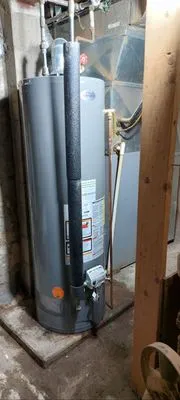
Hi, I’m John from Lil John Handyman Service in Omaha. My business started from a simple truth: home repairs should be honest and affordable. After helping a neighbor fix a bathroom faucet for a fair p...
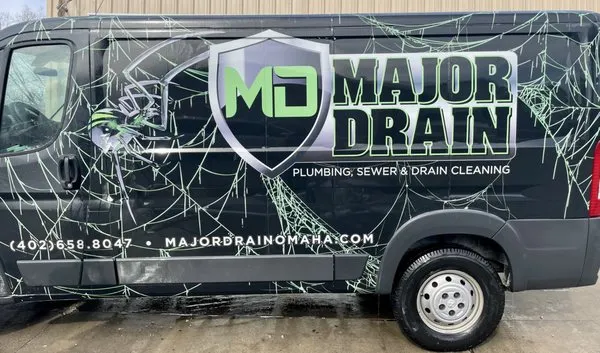
Major Drain is an Omaha-grown plumbing company built on a foundation of family values and modern expertise. Founded by local brothers who graduated from Papillion LaVista and UNO, the business was sta...
Estimated Plumbing Costs in Dunlap, IA
Frequently Asked Questions
What permits are needed for plumbing work in Harrison County?
Harrison County Planning and Zoning requires permits for most plumbing modifications, especially when replacing main lines or altering septic systems. As a master plumber licensed by the Iowa Plumbing and Mechanical Systems Board, I handle the red tape so you don't have to. This includes submitting plans, scheduling inspections, and ensuring all work meets current code requirements for safety and efficiency.
What should I do to prepare my plumbing for Dunlap's spring thaw?
Dunlap's spring thaw brings rapid temperature shifts that stress plumbing systems. Insulate exposed pipes in crawl spaces and basements before temperatures drop to 12°F. Drain outdoor spigots and irrigation systems completely before the first hard freeze. Check for foundation cracks where thawing ground can shift pipes. These preventive measures reduce the risk of burst pipes during freeze-thaw cycles.
How quickly can a plumber reach my home in Dunlap during an emergency?
Heading past Boyer Valley Historical Center on US-30, our dispatch route covers most of Dunlap within 45-60 minutes. We monitor traffic patterns on US-30 to avoid delays during peak hours. This routing ensures we can reach homes throughout the residential district efficiently, whether you're near the historical center or further along the highway corridor.
Does Dunlap's hard water damage water heaters and fixtures?
Water from the Boyer River Aquifer contains high mineral content that forms scale buildup inside water heaters and fixtures. This insulating layer reduces heating efficiency and can cause overheating elements to fail prematurely. Fixtures develop reduced flow as mineral deposits accumulate in aerators and valve seats. Installing water softeners or using dielectric unions between dissimilar metals helps mitigate these effects.
Are there special considerations for plumbing in rural Dunlap homes?
Rural Dunlap properties typically use well water and septic systems rather than municipal connections. Well pumps require regular maintenance to handle our hard water's mineral content. Septic systems need proper sloping on hilly terrain to function effectively. Pressure tanks should be checked annually for bladder integrity. These systems operate independently, so proactive maintenance prevents costly emergencies.
How long do galvanized steel pipes typically last in older Dunlap homes?
Galvanized steel pipes installed around 1938 are now 88 years old. Homeowners in the Dunlap Residential District are seeing significant rust buildup inside these pipes, which reduces water pressure and causes discolored water. The zinc coating that protects the steel has completely worn away after decades of exposure to our hard water. Many systems from this era are failing simultaneously, leading to frequent leaks and complete pipe replacements.
How does Dunlap's hilly terrain affect my home's drainage system?
The sloping landscape around Boyer Valley Historical Center creates drainage challenges for residential plumbing. Downhill water pressure can stress main line connections, while uphill properties face slow drainage and potential backups. Soil erosion on slopes exposes buried pipes to shifting ground that cracks fittings. Proper grading around foundations and reinforced pipe bedding prevent most terrain-related issues.
Why do my 1930s-era pipes keep springing small leaks?
Galvanized steel pipes from 1938 develop pinhole leaks as internal corrosion weakens the metal. Joint calcification occurs where threaded connections trap minerals from our hard water, creating brittle deposits that crack under pressure. These failures typically start at elbows and tees where water turbulence accelerates corrosion. Complete pipe wall failure often follows these initial warning signs.
