Top Emergency Plumbers in Dubuque, IA, 52001 | Compare & Call

There are 55 plumbing companies server in Dubuque IA
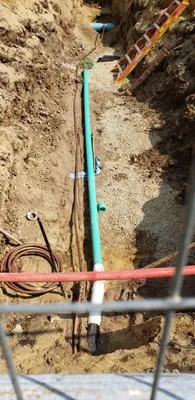
Founded in 2007 and established as an independent business in 2020, this Lawler-based plumbing service has grown from general plumbing work to master-level expertise. The company prioritizes thorough,...

Ragan Mechanical
Ragan Mechanical is a trusted plumbing, heating, and air conditioning contractor serving Davenport, IA, and the broader Quad Cities region since 1958. With decades of experience, they provide comprehe...
Eastern Iowa Pumping Inc. is a licensed, bonded, and insured pumping contractor based in Manchester, IA, serving a 300-mile radius from its home location. Established in 1996, the company specializes ...
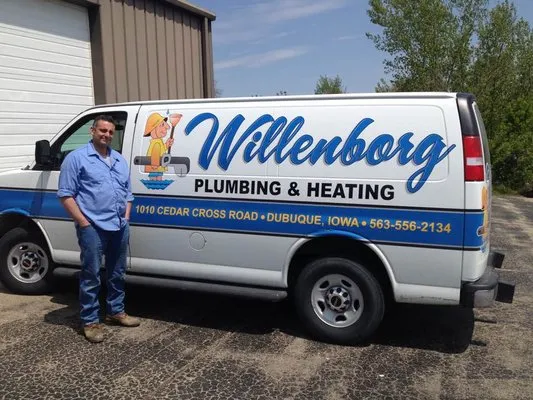
Willenborg Plumbing & Heating
Willenborg Plumbing & Heating, Inc is a family-operated plumbing service based in Dubuque, IA, serving both residential and commercial properties in Dubuque and Peosta. We provide a comprehensive rang...
Mr. Rooter Plumbing of Dubuque is your trusted, locally-operated plumbing service for Dubuque and the surrounding communities. Rooted in the core values established in 1970, we bring over 50 years of ...
ServiceOne
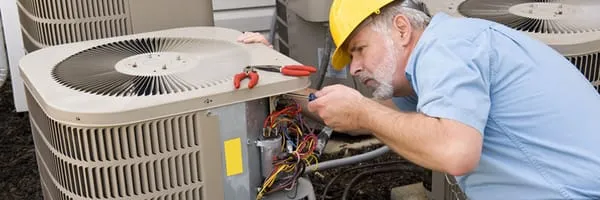
ServiceOne has been providing reliable home service solutions to Dubuque, Iowa, and the Omaha/Council Bluffs metro area for nearly three decades. As a full-service contractor, we handle HVAC systems, ...
Bradley Plumbing is a trusted, locally-owned plumbing service in Dubuque, IA, dedicated to keeping homes and businesses running smoothly. We specialize in comprehensive plumbing inspections that proac...
Blaser Plumbing
Since 1999, Blaser Plumbing has been the trusted local plumbing service for Dubuque and Asbury, IA. Whether you're dealing with a sudden leak, planning a bathroom remodel, or need routine maintenance,...
Precision Plumbing
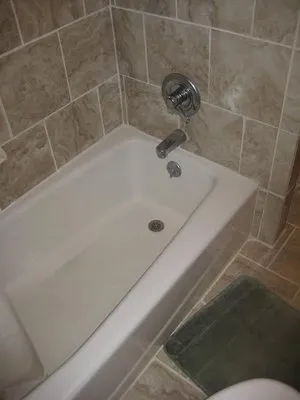
Precision Plumbing is a family-owned, full-service plumbing company serving Dubuque, IA, and surrounding areas for over 30 years. We specialize in a wide range of plumbing services, including hot wate...
MIT Plumbing
MIT Plumbing has been a trusted local plumbing provider in Dubuque, IA, since 2002. As a state-licensed Master Plumber with over 20 years of industry experience, we offer reliable and affordable solut...
Estimated Plumbing Costs in Dubuque, IA
FAQs
How quickly can a plumber reach my North End home during an emergency?
Heading past Fenelon Place Elevator on US-20 gets me into the North End within 20-30 minutes for urgent calls. That route avoids downtown congestion while providing direct access to residential streets. I keep a truck stocked with common repair parts for galvanized systems to minimize return trips. Response time depends on traffic, but most North End addresses are reachable within that window.
Could Dubuque's hilly terrain be causing my drainage issues?
Hilly areas around Fenelon Place Elevator create drainage challenges where water follows gravity toward lower elevations. This puts constant pressure on main sewer lines running downhill, potentially causing joint separation or pipe sagging over decades. Soil erosion on slopes can expose buried pipes to freeze-thaw cycles. Proper grading around your foundation directs surface water away, but older clay sewer lines may need inspection for root intrusion or misalignment.
Does Dubuque's hard water from the Mississippi River damage my plumbing fixtures?
Hard water from the Mississippi River contains dissolved minerals that form scale buildup inside pipes and appliances. Water heaters accumulate sediment at the bottom, reducing efficiency and shortening their lifespan by 2-4 years. Fixtures develop mineral deposits around aerators and valves, restricting flow. Installing a water softener helps, but existing scale in older galvanized pipes often requires mechanical removal during repairs.
As an urban homeowner in Dubuque, what should I know about my water and sewer connections?
Municipal water pressure in Dubuque typically ranges 40-80 PSI, which stresses aging galvanized pipes. Tree roots seek moisture in sewer laterals, especially where clay pipes meet newer PVC sections. Your responsibility starts at the curb stop for water and at the cleanout for sewer lines. I recommend camera inspections of laterals every 5-10 years to identify root intrusion or joint problems before they cause backups into your basement.
What should I do before spring thaw to prevent plumbing problems?
Before temperatures rise above freezing, disconnect garden hoses and shut off exterior faucets from inside. Check for cracks in exposed pipes that developed during winter. Insulate pipes in unheated crawl spaces or basements, as spring nights in Dubuque can still drop near 12°F. Monitor water pressure during thaw periods when ground shifting can stress older connections. These steps reduce the risk of leaks as the ground settles.
Why do my 1960s-era pipes keep springing pinhole leaks?
Galvanized steel pipes from 1963 suffer from internal corrosion where the zinc coating has deteriorated. Mineral deposits from hard water accumulate at joints and fittings, creating weak spots that develop into pinhole leaks. These often appear first near threaded connections or where pipes change direction. The problem worsens with age as pipe walls thin, eventually requiring section replacement or complete system updates.
My North End home was built around 1963 - should I be worried about my plumbing?
Galvanized steel pipes installed in 1963 are now 63 years old, well beyond their typical 40-50 year lifespan. Homeowners in the North End are seeing rust-colored water, reduced water pressure, and frequent leaks as the interior zinc coating has worn away. This corrosion accelerates with Dubuque's hard water, leading to pipe walls thinning until they fail. Many houses from that era need full repiping to avoid sudden water damage.
What permits or codes apply when I need plumbing work in Dubuque?
Dubuque Building and Code Enforcement requires permits for most plumbing repairs beyond basic fixture replacements. As a master plumber licensed by the Iowa Plumbing and Mechanical Systems Board, I handle the permit applications and inspections so you don't have to navigate the red tape. Local codes specify proper materials for our climate and soil conditions, including backflow prevention devices and frost-proof installations. My license ensures work meets both city and state requirements.
