Top Emergency Plumbers in Dike, IA, 50624 | Compare & Call

There are 15 plumbing companies server in Dike IA
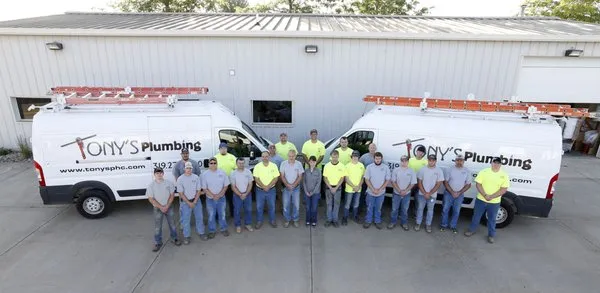
Tony's Plumbing & Heating
Tony's Plumbing & Heating has been serving Cedar Falls, Waterloo, and Waverly since 2010 with reliable plumbing and heating solutions. Our team of OSHA-trained and certified plumbers provides comprehe...
RainSoft of NE Iowa
RainSoft of NE Iowa is a family-owned business built on local roots and personal experience. Founder Terry Bonik started the company in Oelwein in 1981 after years in the industry, driven by a commitm...
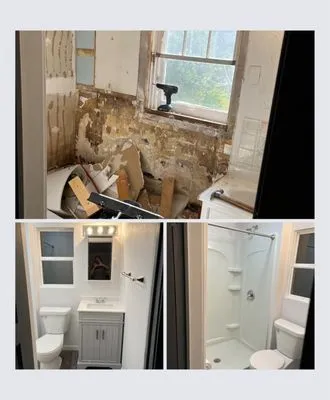
Jason's Showers is a trusted plumbing and bathroom remodeling service based in Cedar Falls, IA, specializing in shower and bathtub installations. With over 300 successful installations completed, we b...
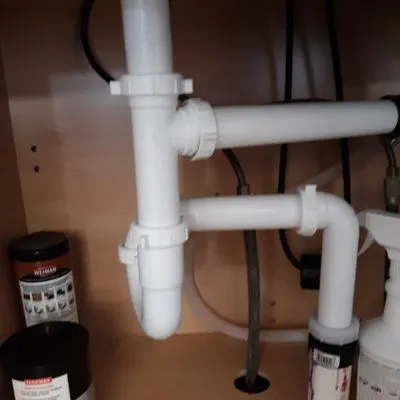
Ruger Drain Cleaning is a trusted plumbing service in Waterloo, IA, specializing in resolving common household plumbing problems that local residents frequently face. Many Waterloo homes deal with iss...
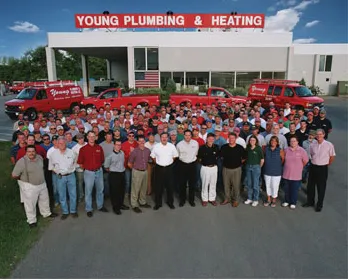
Young Plumbing & Heating
Young Plumbing & Heating Co. is a fourth-generation, family-owned business that has been a trusted part of the Waterloo and Cedar Falls community since 1882. With a team of 23 full-time technicians an...

Pot's Plumbing & Heating
Pot's Plumbing & Heating has been a trusted, family-owned provider of plumbing and HVAC services in Ackley and the surrounding Butler, Hamilton, and Grundy counties for years. We hold a master license...
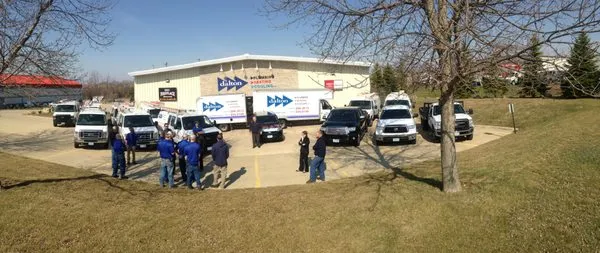
Dalton Plumbing, Heating, Cooling, Electric, and Fireplaces has been a trusted local provider in Cedar Falls, IA, and the surrounding Waterloo area since 1959. As a locally owned and operated business...

Crystal Heating & Plumbing
Crystal Heating & Plumbing has been a trusted heating, cooling, plumbing, and excavating service provider in Waverly, IA, and the surrounding Cedar Valley area since 1930. As a licensed, insured, and ...
Al Gordon Plumbing & Heating
Al Gordon Plumbing & Heating LLC is your trusted, locally-owned plumbing partner in Waterloo, IA. We provide reliable residential and commercial plumbing services, from emergency repairs to planned in...
J's Remodeling Services is a trusted Hampton, IA contractor specializing in drywall and wall finishing work, from installation and repair to texturing. We understand that local homeowners often face p...
Estimated Plumbing Costs in Dike, IA
FAQs
Why am I getting so many leaks in my Dike house all of a sudden?
Your copper plumbing is likely about 50 years old now. Pipes installed around 1975 are reaching the end of their service life. In Downtown Dike, we see this as a predictable wave of pinhole leaks, especially at soldered joints that have been stressed by decades of water pressure and temperature changes. The metal simply thins and fails. It's not a coincidence; it's the material's age.
Could the flat land around Dike City Park cause drainage issues?
The plain terrain can complicate drainage. Without a natural slope, water from downspouts or yard drainage has nowhere to go, potentially pooling near your foundation. Over years, this saturated soil can put hydrostatic pressure on basement walls and stress your main sewer line, leading to cracks or root intrusion. Proper grading and directing runoff away from the house is more important here than in hilly areas.
Are there special plumbing concerns for a rural home near Dike?
Absolutely. Rural properties typically rely on a private well and septic system, not city water and sewer. Well pump maintenance, pressure tank performance, and septic field health are all critical. A leak inside the house can overload a septic system, and a failing well component means no water at all. Understanding this integrated system is different from working on a municipal connection.
What's one thing I should do every spring for my plumbing in Dike?
Check your main water shutoff valve. Our temperate climate means freeze-thaw cycles are mild but consistent. The spring thaw can shift your home's foundation slightly, which may put stress on the main water line where it enters. Ensuring your main shutoff operates smoothly is critical. If that valve seizes, a simple leak turns into a major emergency requiring a street shutoff.
Do I need a permit to replace my water heater in Grundy County?
Yes, Grundy County Planning and Zoning requires permits for water heater replacement. The installation must also meet the current code standards enforced by the Iowa Plumbing and Mechanical Systems Board. As a licensed master plumber, I pull those permits and schedule the required inspections. This handles the red tape for you and ensures the work is documented and legally compliant, which is important for insurance and resale.
Does Dike's hard water ruin appliances?
Yes, the water from the Jordan Aquifer is very hard. That mineral content precipitates out as scale, which coats the inside of pipes and appliances. Your water heater's heating elements become insulated, forcing it to work harder and fail sooner. Faucet cartridges and shower valves also wear out faster from the abrasive scale. Installing a water softener is the most effective long-term protection for your plumbing system.
How fast can a plumber get to my house in Dike?
From my shop, heading past Dike City Park on Iowa Highway 57 is the main route. That corridor gets me to most calls in the area efficiently. While a precise ETA depends on the exact location and time of day, a 45 to 60 minute dispatch window is standard for covering Dike and the surrounding farmland. I plan the route to avoid unnecessary delay.
What's the most common plumbing repair for a 1970s Dike home?
Failing copper joints. After 50 years, the solder securing pipe connections degrades, and mineral scale buildup inside the pipes creates stress points. This leads to leaks at elbows and tees. We also see dielectric unions, which were often not used back then, causing galvanic corrosion where copper meets other metals. Repairs now often involve replacing entire sections rather than just patching.
