Top Emergency Plumbers in Clarksville, IA, 50619 | Compare & Call

There are 13 plumbing companies server in Clarksville IA
RainSoft of NE Iowa
RainSoft of NE Iowa is a family-owned business built on local roots and personal experience. Founder Terry Bonik started the company in Oelwein in 1981 after years in the industry, driven by a commitm...
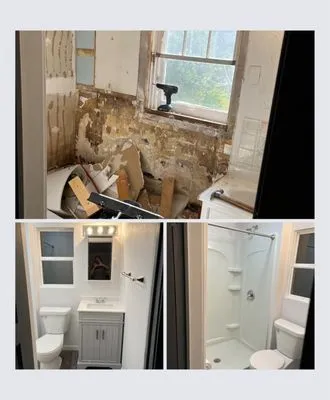
Jason's Showers is a trusted plumbing and bathroom remodeling service based in Cedar Falls, IA, specializing in shower and bathtub installations. With over 300 successful installations completed, we b...
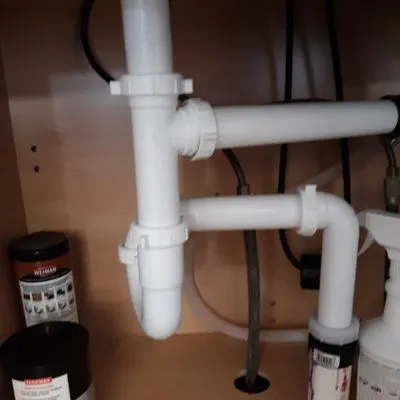
Ruger Drain Cleaning is a trusted plumbing service in Waterloo, IA, specializing in resolving common household plumbing problems that local residents frequently face. Many Waterloo homes deal with iss...
Pot's Plumbing & Heating
Pot's Plumbing & Heating has been a trusted, family-owned provider of plumbing and HVAC services in Ackley and the surrounding Butler, Hamilton, and Grundy counties for years. We hold a master license...
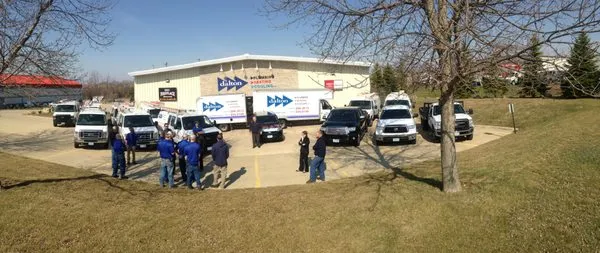
Dalton Plumbing, Heating, Cooling, Electric, and Fireplaces has been a trusted local provider in Cedar Falls, IA, and the surrounding Waterloo area since 1959. As a locally owned and operated business...
Jim Hundley Heating & Air Conditioning
Jim Hundley Heating & Air Conditioning has been a cornerstone of comfort in Janesville, IA, and the surrounding communities since 1995. We specialize in comprehensive heating, cooling, and plumbing so...
J's Remodeling Services is a trusted Hampton, IA contractor specializing in drywall and wall finishing work, from installation and repair to texturing. We understand that local homeowners often face p...
Burrier Plumbing & Spas
Burrier Plumbing & Spas is a trusted, family-owned plumbing and HVAC service provider in Waverly, IA, serving the community and surrounding areas since 1996. As a fully licensed, bonded, and insured M...
Founded in 1989 by hometown resident Bill Wix, Wix Water Works is a family-run water conditioning service now operated by his son, Robert. With decades of combined experience, the company provides cer...
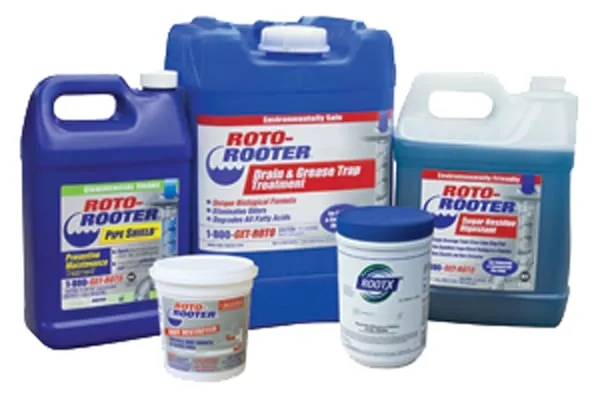
For over three decades, Roto-Rooter in Iowa Falls has been the reliable plumbing and drain cleaning specialist for homeowners and businesses across Hardin County and the surrounding region. Establishe...
Estimated Plumbing Costs in Clarksville, IA
Questions and Answers
As a rural Clarksville homeowner, what plumbing systems need special attention?
Rural properties typically combine well water systems with septic tanks. Well pumps and pressure tanks require regular maintenance to prevent hard water scale damage. Septic systems need professional inspection every 3-5 years to avoid backups into the home. Unlike municipal systems, rural water pressure fluctuates more, which can stress older galvanized pipes. Keeping both systems functioning properly prevents most emergency calls.
My Clarksville home was built around 1951 - should I be worried about my plumbing?
Galvanized steel pipes installed in 1951 are now 75 years old. In Downtown Clarksville, homeowners with original plumbing are seeing frequent pinhole leaks, reduced water pressure from internal rust buildup, and joint failures where fittings connect. This material corrodes from the inside out, so problems often appear suddenly after decades of service. Replacement with modern materials like copper or PEX is typically needed once these symptoms emerge.
What permits or regulations apply to plumbing work in Butler County?
Butler County Planning and Zoning requires permits for most plumbing modifications, especially those affecting septic systems or well connections. As a master plumber licensed by the Iowa Plumbing and Mechanical Systems Board, I handle the red tape so you don't have to. This includes submitting plans, scheduling inspections, and ensuring all work meets current Iowa code. Proper documentation protects your home's value and ensures system safety.
Does Clarksville's hard water damage water heaters and fixtures?
Water from the Shell Rock River contains high mineral content that causes scale buildup. In water heaters, this sediment reduces efficiency and can overheat lower elements. Fixtures develop restricted flow as aerators and valve seats accumulate deposits. Installing a whole-house water softener protects appliances and extends their lifespan. Regular flushing of water heaters is particularly important in our area.
What should I do to prepare my Clarksville plumbing for spring weather changes?
Spring thaw brings rapid temperature shifts that stress pipes. Before temperatures consistently stay above freezing, check exposed pipes for insulation gaps. A pro-tip for our temperate climate: keep cabinet doors open during cold nights to allow warm air to reach pipes under sinks. Monitor water pressure during thaw periods, as expanding ice in service lines can create hidden leaks that manifest as pressure drops.
How quickly can a plumber reach my home in Clarksville during an emergency?
From our base near Volunteer Park, we take IA-3 directly into Downtown Clarksville neighborhoods. Heading past Volunteer Park on IA-3 puts us within 45-60 minutes of most local addresses. We maintain dedicated emergency vehicles stocked with common Clarksville repair parts to minimize additional trips. This routing avoids unnecessary detours through rural Butler County roads.
Could the flat land around Volunteer Park be causing my drainage issues?
Plain terrain lacks natural slope for water runoff, causing pooling around foundations during heavy rains. Soil saturation puts hydrostatic pressure on basement walls and can overwhelm perimeter drains. Main sewer lines in these conditions often develop low spots where debris collects, leading to recurring clogs. Proper grading away from your foundation and installing French drains helps mitigate these Clarksville-specific drainage challenges.
Why do my old pipes keep springing leaks even with low water pressure?
Galvanized steel pipes from 1951 suffer from joint calcification and internal corrosion. Mineral deposits from hard water accumulate at connections, creating stress points that crack under normal pressure. The steel itself rusts unevenly, creating thin spots that fail as pinhole leaks. These failures are structural rather than pressure-related, meaning even well-maintained systems eventually need replacement.
