Top Emergency Plumbers in Belmond, IA, 50421 | Compare & Call

There are 238 plumbing companies server in Belmond IA
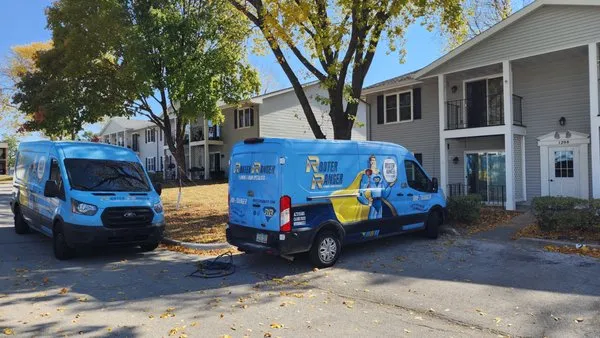
Rooter Ranger Plumbing
Rooter Ranger Plumbing is a trusted local plumbing service in Grimes, IA, dedicated to providing reliable solutions for residential and commercial plumbing needs. With expertise in a wide range of ser...
Schaal Plumbing, Heating and Cooling
Schaal Plumbing, Heating and Cooling has been a trusted HVAC and plumbing provider in Johnston, IA, and the surrounding Des Moines area for over 75 years. With a team of certified technicians who oper...
Prestige Plumbing Services is your trusted, owner-operated plumbing company in Indianola, IA. We understand the stress a plumbing problem can bring to your home, and our goal is to provide a reliable ...
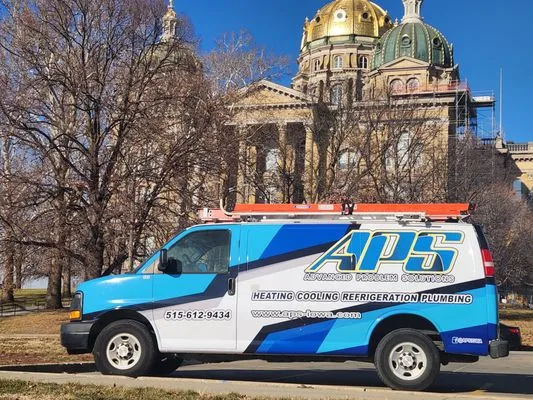
Advanced Problem Solutions
Advanced Problem Solutions is a locally owned HVAC and plumbing company serving Des Moines and the surrounding metro area for over 25 years. Founded by Rod Brace as a commercial specialist, APS has gr...
Holt Plumbing & Heating
Since 1947, Holt Plumbing & Heating has been a trusted family name in West Des Moines. Founded by John Holt, the business is now in its third generation, with a legacy built on reliable customer servi...

1-Tom-Plumber is a full-service plumbing and drain cleaning company serving Carlisle, IA, and surrounding areas. Available 24/7/365, we handle both residential and commercial plumbing needs with a foc...
Pro Cons Handyman Services is a trusted local provider in West Des Moines, IA, offering comprehensive repair and maintenance solutions for homes and businesses. With expertise spanning appliance insta...

Baldon Heating & Plumbing
Baldon Heating & Plumbing is a trusted, employee-owned company serving Adel, Iowa, and the surrounding communities. We take pride in offering reliable personal service and competitive pricing for all ...

Clouser Plumbing has been a trusted fixture in the Ames community for nearly three decades, providing reliable plumbing solutions day and night. We operate as a fully-equipped workshop on wheels, read...
C & K Heating Air Conditioning and Plumbing
C & K Heating Air Conditioning and Plumbing has been a trusted family name in Ames since 1968. Founded by Corwin Stephan, the company transitioned to his son Steve in 1994, maintaining the same family...
Estimated Plumbing Costs in Belmond, IA
FAQs
What should I do before spring thaw to prevent plumbing problems?
With temperatures dropping to 8°F and spring thaw creating pressure surges, disconnect garden hoses and insulate exposed pipes before winter. Drain irrigation systems completely and know your main water shutoff location. During thaw cycles, check for new drips or moisture around pipe connections as expanding ice can weaken old fittings. These steps prevent most cold-weather emergencies in our temperate climate.
Who handles permits and inspections for plumbing work in Belmond?
Belmond City Hall Building Department issues local permits while the Iowa Plumbing and Mechanical Systems Board sets statewide codes. As a licensed master plumber, I submit all required paperwork and schedule inspections directly. This ensures work meets current standards for safety and efficiency. Homeowners avoid bureaucratic delays while maintaining proper documentation for insurance and resale purposes.
How quickly can a plumber reach my home in Belmond during an emergency?
Heading past Belmond Area Arts Council on US-69, our dispatch route covers most of town within 45-60 minutes. We monitor traffic patterns and keep trucks stocked with common repair parts for galvanized systems. This routing allows us to bypass congested areas while maintaining response times even during peak hours.
Could the flat land around Belmond affect my home's drainage system?
Plain terrain near Belmond Area Arts Council provides minimal natural slope for drainage. This puts constant stress on main sewer lines as wastewater must be pushed rather than flowing by gravity. Soil saturation during wet periods increases hydrostatic pressure on underground pipes. Proper grading around foundations and regular drain cleaning prevent backups in areas with limited elevation change.
Does Belmond's hard water damage plumbing fixtures and appliances?
Water from the Iowa River contains minerals that form scale buildup inside pipes and appliances. Water heaters accumulate deposits on heating elements, reducing efficiency by 20-30% over five years. Fixtures develop restricted flow from mineral accumulation in aerators and valves. Installing whole-house water softeners or regular descaling extends appliance life in our area.
As a rural homeowner near Belmond, what unique plumbing issues might I face?
Rural properties often combine well systems with septic tanks, creating complex pressure dynamics. Well pumps require regular maintenance to prevent sediment buildup in pressure tanks. Septic systems need professional inspection every 3-5 years to avoid drain field failure. Water quality testing helps identify mineral content that accelerates corrosion in older galvanized pipes common in country homes.
My Belmond home was built around 1965 - what should I expect from my plumbing now?
Galvanized steel pipes installed in 1965 are now 61 years old. In Downtown Belmond, homeowners are seeing reduced water pressure and frequent leaks as the zinc coating wears off. The interior walls of these pipes accumulate rust and mineral deposits over decades, narrowing the flow path. Many properties from that era require partial or complete repiping to maintain reliable water service.
Why do my old pipes keep springing leaks even after repairs?
Galvanized steel from 1965 suffers from internal corrosion that creates pinhole leaks. As the zinc coating deteriorates, exposed steel reacts with minerals in our water, causing weak spots throughout the pipe walls. Joint calcification also occurs where fittings connect, making threads brittle. These systemic issues mean spot repairs often lead to new leaks nearby within months.
