Top Emergency Plumbers in Mauna Loa Estates, HI, 96785 | Compare & Call

There are 11 plumbing companies server in Mauna Loa Estates HI
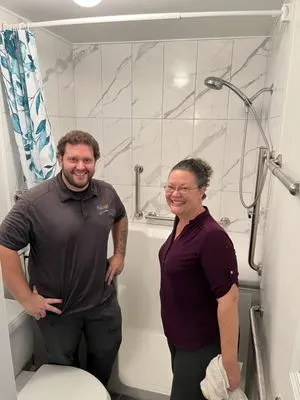
SMART Plumbing Hawaii was founded in Hilo in 2015 by plumbers who wanted to build a more stable, customer-focused company. Motivated by a desire to provide thorough and reliable service, the team brin...
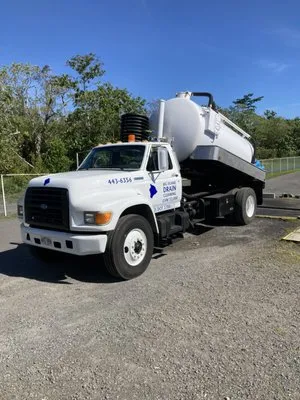
For over 30 years, Big Island Drain Cleaning has been a trusted, family-owned plumbing resource for Hilo and the surrounding communities. Founded on the expertise gained from decades of hands-on work,...

Pro Plumbing & Solar is a family-owned and operated business serving Keaau and the Big Island since 1995. With over 25 years of experience, we provide comprehensive plumbing and solar hot water servic...
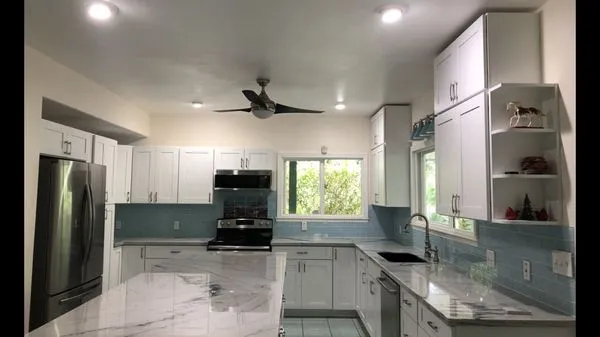
TJ & Sons is a trusted, full-service handyman and repair company serving Mountain View, HI. We specialize in solving common household problems for local homeowners, with a particular focus on the plum...
EPS Hawaii is a family-owned and operated plumbing company based on the Island of Hawai'i, providing reliable services to residents across Oahu and Hawaii. Our team consists of licensed and insured Jo...
Speedy Drains Hawaii is your trusted local plumbing expert serving Kurtistown and surrounding areas. We specialize in comprehensive plumbing solutions, from routine repairs to full installations. Our ...

Founded by an Oregon transplant who sought Hawaii's warm climate in 2006, Plumbing Strategies has been a trusted local fixture in Kailua-Kona for over a decade. Our team brings a combined 50 years of ...
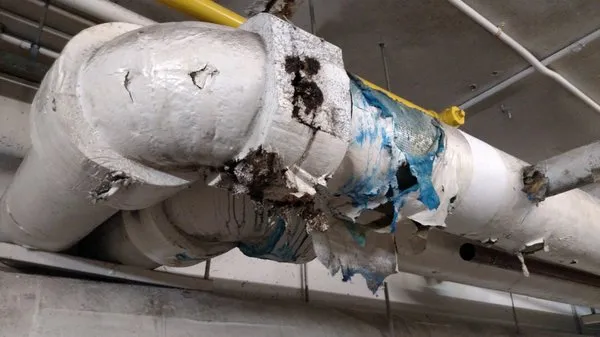
Aloha, I'm Andrew DeVerse, COO and lead leak technician at Kona Labs Leak Detection. I've been involved in my father's business since 2006, and after earning my B.S. in Physics, Math, and Chemistry, I...
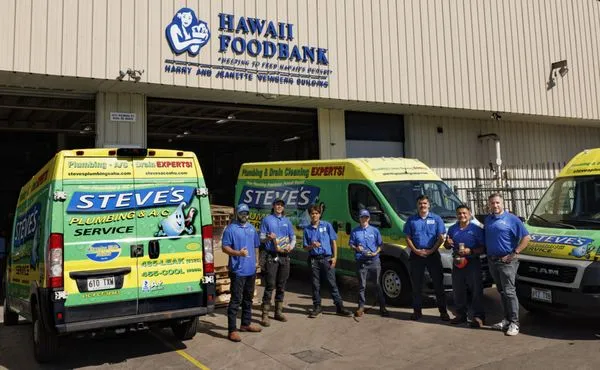
Steve's Plumbing & A/C Service
Steve's Plumbing & A/C Service is a family-owned business that has been serving Hawaii for over 32 years, starting on Maui and expanding to Oahu, Kauai, and the Big Island. With a strong reputation fo...
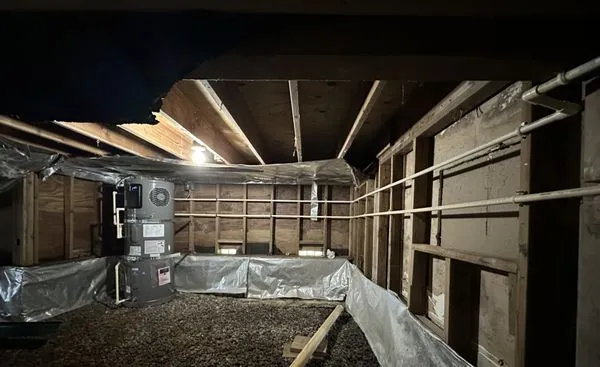
A-Tech Plumbing and Drain Cleaning is a family-owned and locally-operated plumbing service based in Keaau, HI. We specialize in comprehensive plumbing and drain cleaning solutions, from routine repair...
Estimated Plumbing Costs in Mauna Loa Estates, HI
Common Questions
How old are the copper pipes in Mauna Loa Estates and what should I expect?
Copper plumbing here was installed around 1988, making it 38 years old in 2026. At this age, homeowners in Volcano Village often see pinhole leaks developing in pipe walls, especially in hot water lines. The acidic groundwater accelerates this corrosion, leading to small but persistent drips behind walls or under slabs. Many residents are now scheduling whole-house repipes or targeted replacements of the most vulnerable sections.
What plumbing maintenance is specific to Volcano's tropical climate?
With lows around 55°F and hurricane season bringing heavy rains, keep exterior drains clear of volcanic ash and vegetation. A pro-tip: install backflow preventers on outdoor spigots before the wet season starts. The constant humidity encourages mold growth behind walls if small leaks go unnoticed, so check under sinks and around water heaters monthly during peak humidity months from June through November.
How does our well water affect plumbing fixtures and water heaters?
Private wells here draw acidic, corrosive water that gradually eats away at metal components. Water heaters show this through anode rod depletion within 2-3 years instead of the typical 5-7, and fixtures develop blue-green staining from copper corrosion. Installing a whole-house neutralizer or using dielectric unions at connections helps protect your system. Without treatment, you'll replace water heaters and faucets more frequently than mainland homeowners.
Why do copper pipes from the late 1980s fail in this area?
Copper installed in 1988 has reached the point where joint calcification becomes problematic. Mineral deposits from decades of acidic water flow create scale buildup at fittings and elbows, restricting water pressure and causing stress fractures. The solder joints from that era also weaken over time, particularly where pipes transition between hot and cold systems. Regular inspections can catch these issues before they become major leaks.
Who handles permits and regulations for plumbing work in Hawaii County?
Hawaii County Department of Public Works oversees all plumbing permits and inspections. As a licensed master plumber with Hawaii Department of Commerce and Consumer Affairs credentials, I handle the red tape so you don't have to. This includes septic system approvals, well modifications, and ensuring all work meets current code requirements for volcanic zones. Proper documentation prevents issues when selling your property or filing insurance claims for water damage.
How does rural living in Mauna Loa Estates affect my plumbing system?
Without municipal water, your private well and septic system operate independently. Well pumps need regular maintenance since there's no backup supply, and septic fields require careful placement on sloped lots. Pressure tanks should be checked annually for proper air charge, as the hilly terrain already challenges water pressure. Having a generator for the well pump during power outages is practical, especially during storm season when repairs take longer in remote areas.
How quickly can a plumber reach Mauna Loa Estates in an emergency?
Heading past Hawaii Volcanoes National Park on Hawaii Belt Road, our dispatch typically takes 60-90 minutes depending on traffic and weather. We keep trucks stocked for common issues like leak repairs or water heater failures. For urgent calls, we can often provide phone guidance to shut off water at the main valve while en route, minimizing damage until arrival.
Does the hilly terrain around Hawaii Volcanoes National Park cause plumbing problems?
The steep slopes here put constant stress on main water lines running to homes. Gravity creates uneven pressure that wears out pressure regulators faster, and soil movement from volcanic activity can shift pipe alignment over time. Drainage systems must account for the grade, with cleanouts placed at low points to prevent backups. We often install expansion joints in long pipe runs to accommodate this natural movement without causing leaks.
