Top Emergency Plumbers in Ko Olina, HI, 96707 | Compare & Call

There are 244 plumbing companies server in Ko Olina HI
535 Plumbing
535 Plumbing is a family-owned plumbing company serving Honolulu and Oahu since 2015. With over 80 years of combined family experience, we provide reliable residential, commercial, and emergency plumb...

Aloha Aina Plumbing is a trusted, licensed plumbing service based in Aiea, HI, providing reliable solutions for homes and businesses across the state. We specialize in the essential plumbing work that...
Oahu Rooter and Plumbing Services
Oahu Rooter and Plumbing Services is a veteran-owned, family-operated plumbing business serving Honolulu and the surrounding Oahu communities for over 35 years. As a licensed and insured team of fathe...
Kawamotos Plumbing and Repair is a locally owned and operated plumbing service in Honolulu, HI, founded by Chad in 2013. With Chad's plumbing experience dating back to 2002, the business focuses on pr...

Pipe Masters
Pipe Masters is a locally owned and operated plumbing company in Honolulu, HI, founded by Jason with a deep commitment to protecting Hawaii's water supply and community health. With over 30 years of c...
Waialae Plumbing & Construction
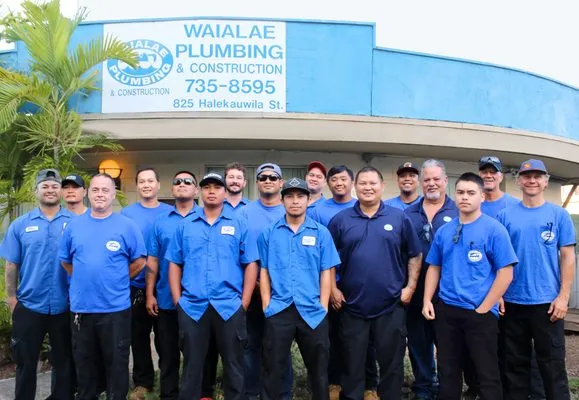
Waialae Plumbing & Construction is a trusted, locally-owned and operated plumbing and construction company serving Honolulu and all of Oahu since 1994. Founded as a one-man operation, we've grown into...

Kama'aina Handyman is a Honolulu-based, licensed contractor founded by Joseph and his partners, who bring over 25 years of collective experience across electrical, plumbing, drywall, and solar work. A...
Alpha Omega Plumbing is your local, Island-grown plumbing expert, proudly serving all of O'ahu. As a licensed plumbing and septic service provider, we handle everything from routine drain cleaning and...
JGR Plumbing has been a trusted Honolulu plumbing resource for over a decade. As a locally owned and operated company, we understand the unique plumbing challenges homes and businesses face in our isl...
Elite Drain Solutions is a family-owned and operated plumbing service based in Kaneohe, O'ahu, dedicated to serving the entire island community. As a locally rooted business, we understand the unique ...
Estimated Plumbing Costs in Ko Olina, HI
FAQs
My Ko Olina Kai home was built around 2003 - should I be worried about my plumbing now?
Your copper pipes are about 23 years old, which puts them in the typical failure window for this material in our coastal environment. Homeowners in Ko Olina Kai are seeing pinhole leaks develop where the copper has thinned from years of exposure to our hard water. These small leaks often appear first at joints or elbows where water turbulence accelerates corrosion. Regular inspections of visible pipes in utility areas can catch these issues before they cause significant water damage.
Are there special plumbing considerations for Ko Olina's suburban resort homes?
Municipal water pressure in this area typically runs higher than standard residential zones to accommodate resort operations, which can stress household plumbing components. Irrigation systems for landscaping require backflow prevention devices that need annual certification. Tree roots from ornamental plantings sometimes infiltrate lateral lines despite the suburban setting. We recommend pressure regulators on main entries and scheduled camera inspections of sewer lines every few years.
How quickly can a plumber reach Ko Olina during an emergency?
Heading past Ko Olina Lagoons on HI-93, our typical dispatch route from central Oahu takes 45-60 minutes depending on traffic patterns. We monitor road conditions along this corridor since it's our primary access to the Ko Olina area. For urgent situations like main line breaks or flooding, we coordinate with local security to expedite entry through the resort gates. Having your exact unit number and building location ready helps us minimize arrival time.
What permits are needed for plumbing work in Ko Olina, and who handles them?
The City and County of Honolulu Department of Planning and Permitting requires permits for most plumbing modifications beyond basic repairs. As a Hawaii Contractors License Board credentialed master plumber, I submit all necessary paperwork and coordinate inspections so homeowners don't navigate the bureaucracy themselves. This includes securing approvals for water heater replacements, rerouting lines, or installing new fixtures. Proper permitting ensures your work meets current codes and protects your property value.
Does Ko Olina's hard water damage water heaters and fixtures?
Water from the Board of Water Supply aquifers contains minerals that form scale buildup inside pipes and appliances. In water heaters, this sediment accumulation reduces efficiency and can cause premature element failure. Fixtures develop reduced flow as aerators clog with mineral deposits. Installing a whole-house water softener or descaler system protects your plumbing investment, though tankless water heaters require specific maintenance for our water conditions.
What should Ko Olina homeowners do before hurricane season?
With temperatures rarely dropping below 65°F and tropical storms possible from June through November, securing your plumbing system is practical preparation. Shut off your main water valve if evacuating to prevent flooding from broken pipes during high winds. Drain exterior irrigation systems and store hoses to protect backflow preventers. Consider installing hurricane straps on your water heater since shifting during severe weather can rupture gas or water connections.
What plumbing problems are common in Ko Olina homes built in the early 2000s?
Copper pipes installed around 2003 often develop joint calcification where mineral deposits from our hard water accumulate at connections. This buildup restricts water flow and creates pressure points that can lead to leaks. The dielectric unions between copper and other metals may also show corrosion after two decades of service. We frequently find these issues behind walls or under slabs, requiring strategic access points to repair without extensive demolition.
How does Ko Olina's coastal terrain affect plumbing drainage?
The gentle slopes around Ko Olina Lagoons create drainage challenges during heavy rains, as runoff can overwhelm municipal systems. This puts lateral stress on main sewer lines that follow the terrain contours. We often find that soil erosion around pipe bedding material leads to misalignment or separation at joints. Proper grading away from your foundation and regular drain line inspections help prevent backups that occur when systems are taxed during tropical downpours.
