Top Emergency Plumbers in Hawaiian Paradise Park, HI, 96749 | Compare & Call

Hawaiian Paradise Park Emergency Plumbers
Phone : (888) 860-0649
There are 23 plumbing companies server in Hawaiian Paradise Park HI
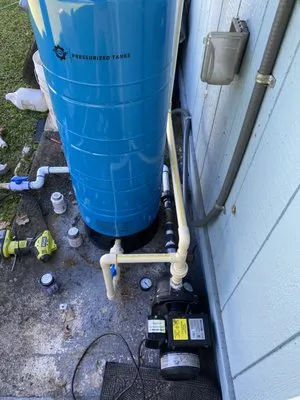
For over 15 years, Pono Plumbing Service has been the trusted local plumber for homes and businesses in P?hoa. My work is built on a foundation of prompt, friendly, and reliable service, with a person...
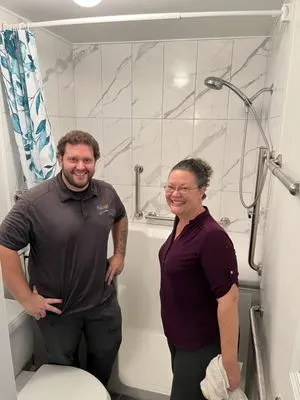
SMART Plumbing Hawaii was founded in Hilo in 2015 by plumbers who wanted to build a more stable, customer-focused company. Motivated by a desire to provide thorough and reliable service, the team brin...
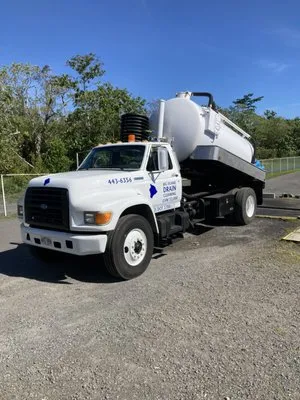
For over 30 years, Big Island Drain Cleaning has been a trusted, family-owned plumbing resource for Hilo and the surrounding communities. Founded on the expertise gained from decades of hands-on work,...
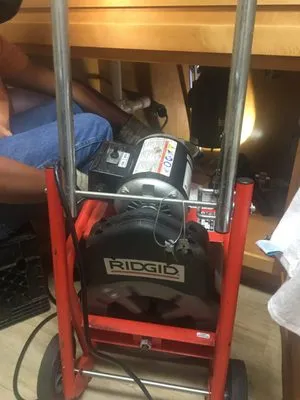
Sewer Solutions is a locally-owned and operated plumbing and septic service based right in Hilo, Hawaii. With over a decade of hands-on experience, our team grew up in the sewer pumping, plumbing, and...

Pro Plumbing & Solar is a family-owned and operated business serving Keaau and the Big Island since 1995. With over 25 years of experience, we provide comprehensive plumbing and solar hot water servic...
TJ & Sons is a trusted, full-service handyman and repair company serving Mountain View, HI. We specialize in solving common household problems for local homeowners, with a particular focus on the plum...
EPS Hawaii is a family-owned and operated plumbing company based on the Island of Hawai'i, providing reliable services to residents across Oahu and Hawaii. Our team consists of licensed and insured Jo...

Hilo Pumping Service is a trusted, locally-owned provider of essential wastewater and plumbing solutions for the Big Island of Hawaii. As the area's longest-standing pumping company with over two deca...
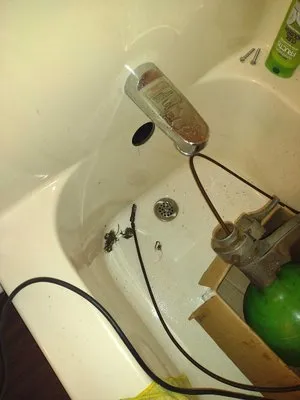
Right Choice Plumbing is your reliable local plumbing partner in Hawaiian Paradise Park. We understand the specific challenges homeowners face here, from the corrosive effects of island water on water...
Speedy Drains Hawaii is your trusted local plumbing expert serving Kurtistown and surrounding areas. We specialize in comprehensive plumbing solutions, from routine repairs to full installations. Our ...
Estimated Plumbing Costs in Hawaiian Paradise Park, HI
Question Answers
Why am I suddenly getting so many leaks in my Hawaiian Paradise Park home?
Your copper plumbing is now 31 years old, which is entering the high-risk period for failure in our specific environment. The acidic water from private wells here in Hawaiian Paradise Park Subdivision causes copper to thin from the inside over decades. What you're seeing now is the cumulative effect: weak spots from years of corrosion are finally giving way, leading to pinhole leaks and joint failures that can seem to appear all at once.
What should I do to prepare my plumbing for hurricane season?
Before the peak season, secure your external well head and any above-ground plumbing components from flying debris. A critical pro-tip is to know how to shut off your main water supply at the well tank and drain key sections of pipe. Having a backup manual pump for your well is a wise investment, as power outages can last for days. Storing at least 10 gallons of water per person is a basic standard.
Could the slope of my property cause plumbing issues?
The coastal terrain and volcanic soil around Keaau Village can shift, especially after heavy rains. This settling puts direct stress on your main water line where it enters the house and on sewer or septic lines. A common sign is a crack in the foundation near where the pipe penetrates, followed by a leak. Properly sloped drainage away from the house is your first defense against this type of ground movement.
Who handles permits for a repipe or new water heater installation?
Any significant plumbing work requires permits from the Hawaii County Department of Public Works, especially for well and septic interfaces. As a licensed contractor credentialed by the Hawaii Department of Commerce and Consumer Affairs, I handle the filing, inspections, and all associated red tape. This ensures the work is documented and up to code, which is crucial for both your safety and your property's value.
Are there special considerations for plumbing in a rural subdivision like this?
Operating your own well and septic system means you are responsible for the entire water cycle, from drawing it up to treating the wastewater. Pressure from the well pump needs to be correctly regulated to avoid stressing pipes, and septic fields must be maintained to prevent backups. There's no municipal oversight or backup, so proactive maintenance and understanding your system's components are essential.
How long does it take for a plumber to get to my house here?
From our base in Keaau Village, we head past the village center onto Hawaii Belt Road for the main stretch into the subdivision. The route is straightforward, but traffic and distance mean a typical dispatch time is 45 to 60 minutes. We plan our routes to minimize delays, but it's a reality of serving a large, rural community spread across many acres.
Is there a specific problem with copper pipes from the 1990s?
Yes, copper installed around 1995 is particularly prone to pinhole leaks. This is due to a combination of the pipe's age and the water chemistry it has endured. The acidic, corrosive water slowly eats away at the interior wall, creating thin spots that eventually perforate. You might also find solder joints from that era are failing, leading to leaks at fittings and behind walls.
Does having a private well affect my plumbing fixtures?
Private wells here typically draw acidic, corrosive water with low mineral content. This water aggressively attacks metal components. Over time, it can corrode the anode rod and lining inside your water heater, leading to premature tank failure. It also causes fixtures to develop blue-green stains and can degrade the seals and internal parts of faucets and valves much faster than treated municipal water would.
