Top Emergency Plumbers in Halaula, HI, 96755 | Compare & Call

There are 13 plumbing companies server in Halaula HI
EPS Hawaii is a family-owned and operated plumbing company based on the Island of Hawai'i, providing reliable services to residents across Oahu and Hawaii. Our team consists of licensed and insured Jo...

Founded by an Oregon transplant who sought Hawaii's warm climate in 2006, Plumbing Strategies has been a trusted local fixture in Kailua-Kona for over a decade. Our team brings a combined 50 years of ...
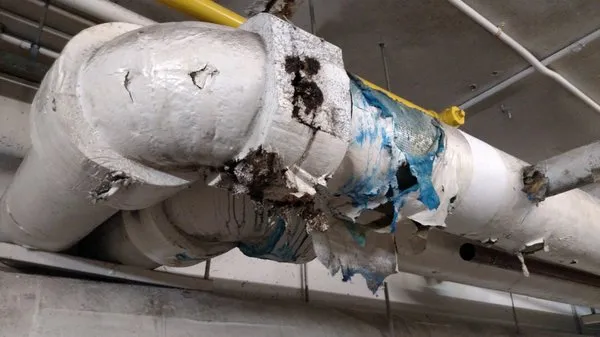
Aloha, I'm Andrew DeVerse, COO and lead leak technician at Kona Labs Leak Detection. I've been involved in my father's business since 2006, and after earning my B.S. in Physics, Math, and Chemistry, I...

Hawaii Island Backflow Testing is a licensed backflow prevention assembly tester (#05-2007421) serving residential and commercial clients in Hilo, HI. We specialize in plumbing inspections and backflo...
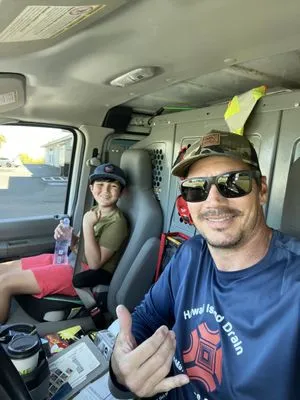
Hawaii Island Drain and Maintenance Specialists is a family-owned plumbing and handyman service based in Kamuela, HI. With over 20 years of experience, owner Eric brings expertise from both commercial...
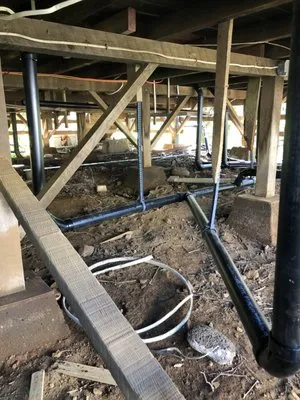
Pomaika'i Plumbing & Repairs is a licensed and bonded plumbing service based in Waimea, HI, established in May 2022. With experience as a plumber since 2005 and being local born and raised, the busine...
Hawaii Quality Services is your trusted, locally-owned expert in Waimea, providing essential maintenance and repair solutions for homes on the Big Island. We specialize in electrical and plumbing insp...
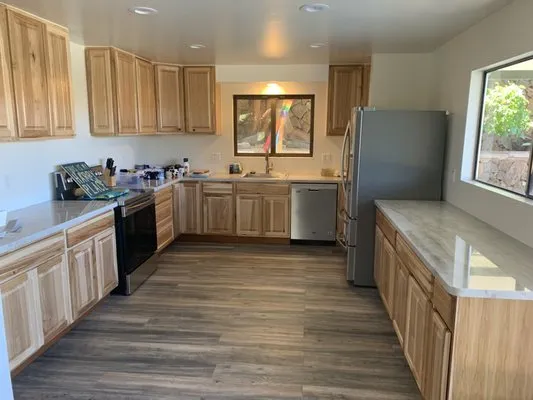
Copperhead Services is a locally owned and operated plumbing and home repair business serving Kamuela, HI, and the surrounding Big Island communities. Founded by a tradesman born and raised on the isl...
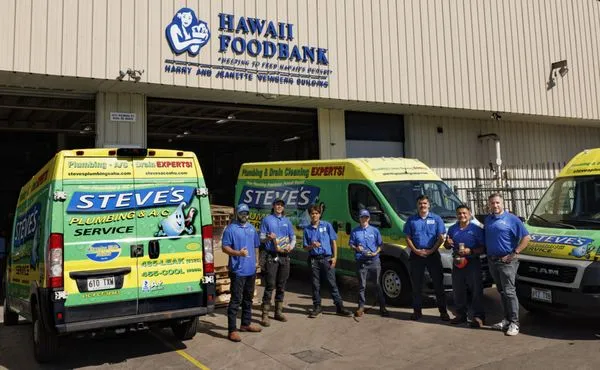
Steve's Plumbing & A/C Service
Steve's Plumbing & A/C Service is a family-owned business that has been serving Hawaii for over 32 years, starting on Maui and expanding to Oahu, Kauai, and the Big Island. With a strong reputation fo...
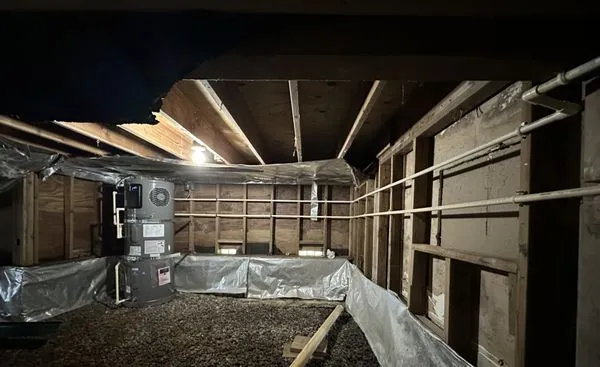
A-Tech Plumbing and Drain Cleaning is a family-owned and locally-operated plumbing service based in Keaau, HI. We specialize in comprehensive plumbing and drain cleaning solutions, from routine repair...
Estimated Plumbing Costs in Halaula, HI
Questions and Answers
What should I do before hurricane season to protect my plumbing?
Tropical climates with 64°F lows create ideal conditions for mold growth after water leaks. Before hurricane season peaks, install backflow preventers on exterior hose bibs and secure your water heater with seismic straps. Clear gutters and downspouts to prevent roof drainage from overwhelming your foundation drainage system. Keep main water shutoff tools accessible and label all valves clearly for quick emergency response.
Does Kohala's mountain water damage plumbing fixtures faster?
Water from the Kohala Mountain Watershed tends to be acidic and corrosive due to volcanic geology. This acidity accelerates corrosion in water heater tanks and anode rods, shortening their lifespan by 30-40%. Fixtures develop pitting and blue-green staining from copper corrosion byproducts. Installing whole-house neutralizers or using dielectric unions between dissimilar metals can mitigate these effects in Halaula homes.
How quickly can a plumber reach Halaula for an emergency?
Heading past Kohala Historical Sites State Monument on Hawaii Route 270, our dispatch route takes 60-90 minutes depending on traffic and weather conditions. We maintain dedicated service vehicles stocked with common replacement parts for older homes. For urgent situations like burst pipes, we prioritize Halaula calls and coordinate with you by phone to minimize water damage while en route.
What permits do I need for a plumbing replacement in Hawaii County?
Hawaii County Building Division requires permits for water heater replacements, repiping projects, and septic modifications. As a licensed contractor with the Hawaii Contractors License Board, I handle all permit applications, inspections, and compliance documentation. This includes coordinating with the Department of Health for well and septic work. You avoid bureaucratic delays while ensuring your project meets current code requirements for safety and resale value.
Why do my galvanized pipes keep springing leaks in multiple spots?
Galvanized steel installed in the 1960s develops pinhole leaks as the zinc coating wears away and oxygen corrosion attacks the underlying steel. Joint calcification also occurs where threaded connections accumulate mineral deposits that crack the pipe walls. These failures typically appear first at elbows and tees where water turbulence accelerates corrosion. Complete pipe replacement often becomes more cost-effective than repeated spot repairs.
Are there special plumbing considerations for rural Halaula homes?
Rural Halaula properties typically rely on wells and septic systems rather than municipal services. Well pumps need regular maintenance to handle the area's corrosive water, and pressure tank settings require adjustment for elevation changes. Septic systems in hilly terrain need proper grading to function efficiently. We verify percolation rates and install effluent filters to prevent drain field clogging from soil conditions common in this region.
My Halaula home was built around 1964 - should I be worried about my plumbing?
Galvanized steel pipes installed in 1964 are now 62 years old. Homeowners in Halaula Village are seeing frequent pinhole leaks, reduced water pressure from internal corrosion buildup, and rust-colored water when taps haven't been used for a few hours. The steel has likely thinned to critical levels throughout the system. Many neighbors are dealing with emergency repairs that could have been prevented with proactive replacement planning.
Could the hilly terrain around Kohala Historical Sites be affecting my main water line?
Hilly slopes around the monument area create soil movement that stresses underground water mains. Gravity forces water to accelerate downhill, increasing pressure spikes that fatigue older pipes. Drainage patterns can expose buried lines during heavy rains, leading to erosion damage. We often find main line leaks occurring at elevation changes where pipe stress concentrates, requiring specialized slope-compensating installation techniques.
