Top Emergency Plumbers in Young Harris, GA, 30582 | Compare & Call

There are 27 plumbing companies server in Young Harris GA
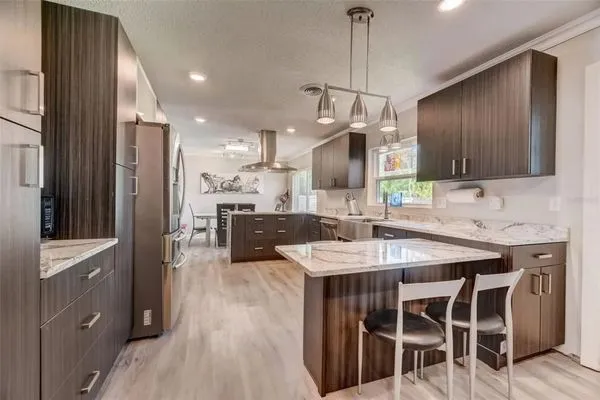
New Start Home Services is your trusted, local home service partner in Lakemont, GA. Founded in 2018, our team combines over two decades of hands-on experience with a deep understanding of the unique ...

Southern Pride Plumbing is a trusted, full-service plumbing company serving homeowners throughout Cumming, GA, and the surrounding areas. We specialize in addressing common local plumbing concerns, su...

Georgia Mountain Plumbing
Georgia Mountain Plumbing is a trusted, full-service plumbing company serving Ellijay, GA, and the surrounding North Georgia communities. We specialize in a comprehensive range of residential and comm...

Mountain Man Plumbing operates as a local, owner-operated plumbing service based right here in Lakemont, GA. By running the business from my home and handling most jobs personally, I keep overhead cos...
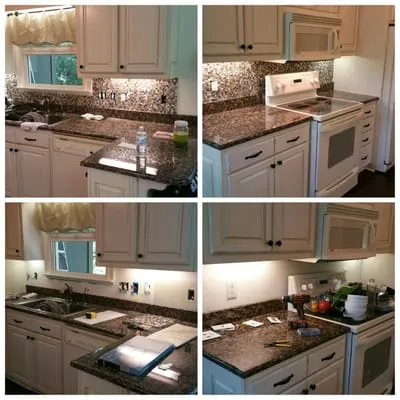
HandyMan Scott is a trusted local handyman service in Rabun Gap, GA, specializing in plumbing and electrical work for homeowners. With expertise in bathtub, shower, and toilet installation, as well as...
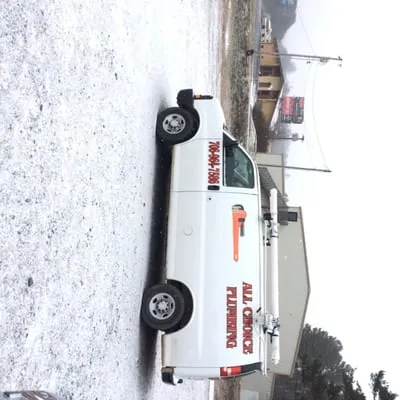
All Choice Plumbing is a trusted local plumbing service in Blue Ridge, GA, founded by Ken, a Fannin County native who started his plumbing career in 2001. As a state-licensed Master 2 Plumber with an ...
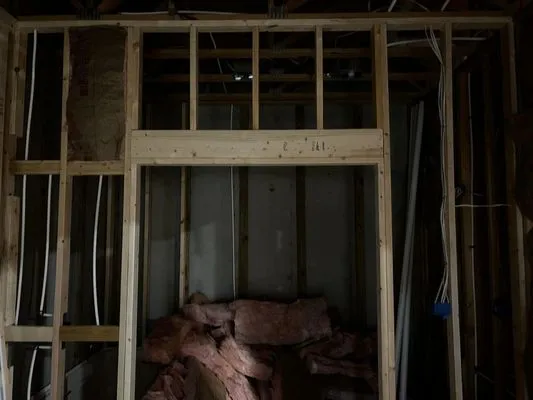
Cheney Building Services
Cheney Building Services is a trusted local plumbing contractor serving Blairsville, GA homeowners with reliable solutions for common plumbing issues. We specialize in thorough plumbing inspections th...
TNT Plumbing is your trusted, local plumbing expert serving Blue Ridge, GA, and the surrounding North Georgia communities. We specialize in a comprehensive range of residential plumbing services, from...
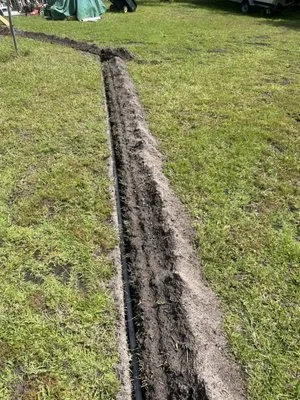
Dixie Irrigation & Water Services is owned and operated by Will Blakewood and his wife, a family-run business that recently moved to Blairsville to serve the local community. With over a decade of exp...
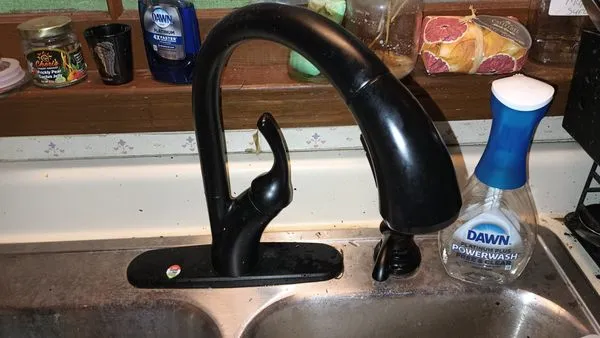
Tony's Plumbing is your trusted Hiawassee plumber, specializing in the local issues that impact our homes. We understand that the area's clay soil can lead to pipe shifting and that hard water causes ...
Estimated Plumbing Costs in Young Harris, GA
Common Questions
Who handles permits for plumbing work in Towns County?
I coordinate directly with the Towns County Building and Zoning Department for all required permits. My Georgia State Construction Industry Licensing Board credentials cover the necessary inspections and code compliance. Homeowners shouldn't navigate this red tape themselves - proper permitting protects your investment and ensures work meets current standards.
How quickly can a plumber reach my home in Young Harris?
Heading past Young Harris College on US-76, most dispatch routes from town center take 45-60 minutes depending on your exact location. The winding mountain roads mean we factor in extra travel time compared to flatland areas. We prioritize emergency calls and communicate realistic arrival windows based on current traffic conditions.
My home was built around 2004 in Young Harris - what should I expect from my plumbing now?
Your copper pipes are about 22 years old. Homeowners in the Young Harris College District are starting to see pinhole leaks in hot water lines and joint calcification where pipes connect. This happens as copper naturally oxidizes and mineral deposits build up over two decades. You might notice small drips behind walls or reduced water pressure in certain fixtures.
How does the hilly terrain around Young Harris College impact my plumbing?
Steep slopes put constant stress on main water lines as soil shifts seasonally. Drainage systems must handle rapid runoff during heavy rains, which can overwhelm older French drains. We often find settlement cracks in sewer lines where the ground has shifted over years. Proper grading around your foundation prevents water from pooling against the house.
What plumbing issues should I prepare for during Young Harris spring thaws?
When temperatures drop to 26°F overnight then thaw during the day, expansion and contraction stress pipe joints. Insulate exposed pipes in crawl spaces before winter sets in. Check outdoor spigots for slow drips that can freeze and crack. This temperate climate creates freeze-thaw cycles that test plumbing more than consistently cold regions.
Does Lake Chatuge's soft water affect my home's plumbing?
Soft, low-mineral water from Lake Chatuge accelerates corrosion in water heaters and fixtures. Without protective scale buildup, the water attacks metal components directly. Water heaters typically fail 3-5 years earlier here than in areas with hard water. Consider installing a dielectric union between dissimilar metals to slow this process.
Why do my copper pipes from 2004 keep developing leaks?
Copper installed around 2004 often develops pinhole leaks due to electrolytic corrosion between the pipe and fittings. The solder joints from that era can also fail as flux residue breaks down over 20+ years. We see this pattern consistently in homes of this age throughout the Young Harris area.
What special plumbing considerations exist for rural Young Harris properties?
Rural homes here typically have septic systems and private wells. Septic tanks need pumping every 3-5 years depending on household size, not just when problems appear. Well pumps and pressure tanks require regular maintenance since there's no municipal backup. Keep trees at least 10 feet from septic drain fields to prevent root intrusion.
