Top Emergency Plumbers in Wilmington Island, GA, 31410 | Compare & Call

There are 73 plumbing companies server in Wilmington Island GA
Victory Plumbing
Victory Plumbing is a family-founded, locally owned plumbing service based in Savannah, GA, built on a foundation of integrity and deep-rooted expertise. Owner Kyle Hagemes brings over two decades of ...
My Handyman of Savannah is your local, fully insured partner for home repair and maintenance in the Greater Savannah area. We prioritize your needs from the start, offering a comprehensive range of se...

JB Plumbing is your trusted local plumbing expert serving Rincon, GA, and surrounding areas. We specialize in comprehensive plumbing solutions, from routine repairs to full installations, ensuring you...
Master Plumbing Co. has been a trusted family business for over 40 years, founded in Waycross, Georgia by Abbie and Archie. Today, their son, Class 2 Master Plumber George White, proudly leads the com...
Canady's Heating Air & Plumbing
Since 1986, Canady's Heating Air & Plumbing has been a trusted name in Richmond Hill, GA, built on Quality, Integrity, and Honesty. Founded by Fred Canady with a commitment to providing an exceptional...
Holton Plumbing has been serving Savannah, GA since 1994, founded and owned by Michael Holton. As a local plumbing contractor, we specialize in water heater repair and installation, plumbing inspectio...

PlumbPro brings over 12 years of plumbing expertise directly to Pooler homes and businesses. We've built our company on a simple promise: to provide the quality, reliable service that local residents ...
Hutson Plumbing is a trusted, locally-owned plumbing service based in Thunderbolt, Georgia. We specialize in thorough plumbing inspections to help homeowners identify and prevent common local problems...
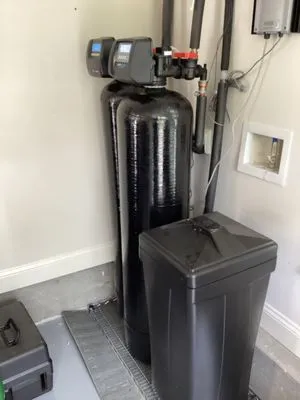
Sunrise Plumbing
Sunrise Plumbing has been a trusted plumbing resource for Savannah, GA, residents for years. We are a full-service, locally owned company dedicated to providing reliable solutions for all your plumbin...
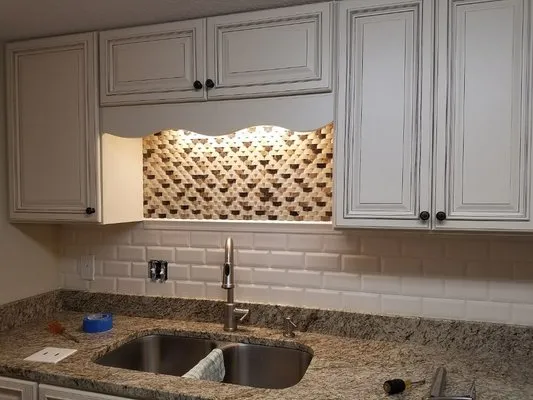
Tommy Brooks Plumbing has been serving Savannah and the Low Country since 1989, starting with residential repairs and growing into a full-service plumbing and remodeling contractor. Founded by Master ...
Estimated Plumbing Costs in Wilmington Island, GA
Q&A
What's the most common plumbing problem in a 1980s Wilmington Island home?
Pinhole leaks in copper pipes are the signature failure for this age. The combination of our hard water and the natural acidity of the Floridan Aquifer source water causes internal corrosion over decades. These leaks often start in horizontal runs in ceilings or walls, not at the joints. Once one pinhole appears, the surrounding pipe wall is typically compromised, indicating more leaks are imminent in the system.
What special plumbing maintenance is needed for our tropical climate and hurricane season?
The main pro-tip is to secure all exterior hose bibs and irrigation backflow preventers before a storm. The 40-degree winter lows are not a major freeze threat, but hurricane-driven rain can overwhelm perimeter drainage. Ensure your yard drains slope away from the foundation. Inside, know the location of your main shut-off valve; if you evacuate, turning it off can prevent catastrophic flooding if a pipe fails while the house is empty.
How fast can a plumber get to Wilmington Island in an emergency?
Heading past Fort Pulaski National Monument on US-80, a local plumber can typically reach most Wilmington Island addresses within 25 to 35 minutes for an urgent call. That route is direct, but traffic on the causeway during peak tourist or commuter times can add delay. It is wise to shut off your main water valve immediately to minimize damage while you wait for our truck to arrive.
Who handles permits for a plumbing repair or repipe in Chatham County?
Chatham County Building Safety and Regulatory Services issues all required permits. As a Master Plumber licensed by the Georgia State Board of Examiners of Plumbing Contractors, I pull these permits for every job that requires them. This ensures the work meets current code for safety and insurability. My crew handles all the red tape and inspections so you do not have to navigate the county process yourself.
How does our hard water from the Floridan Aquifer damage my plumbing?
Water from the Floridan Aquifer is rich in minerals like calcium and magnesium. As it heats in your water heater, these minerals precipitate out as hard scale. This scale acts as an insulator on heating elements, forcing your system to work harder and fail sooner. In fixtures, it clogs aerators and showerheads, and inside pipes, the rough scale accelerates corrosion, leading to those pinhole leaks.
Does our coastal terrain near Fort Pulaski affect my home's plumbing?
Yes, the flat, sandy soil common across this coastal area provides poor natural drainage. During heavy rains, water can pool around foundation walls, putting hydrostatic pressure on sewer lines and potentially causing infiltration at pipe joints. Over years, this constant, slight shifting of the soil can also stress the main water service line where it enters the home, leading to leaks at that critical connection point.
Are there specific plumbing concerns for a suburban island home like mine?
Suburban homes here have a mix of mature landscaping and municipal water. The primary concern is tree root intrusion into the sewer lateral—the pipe running from your house to the county main. Live oak and pine roots seek out moisture and can infiltrate even small pipe joints. Regular sewer line camera inspections are a wise investment to catch root growth before it causes a complete backup in your home.
Why are my old pipes in Whitemarsh Island failing now?
Houses built here around 1982 have copper plumbing that is now 44 years old. Copper has a typical service life of 40-50 years, so entire neighborhoods are entering a predictable failure window. You are likely seeing the first signs: persistent pinhole leaks behind walls, or a noticeable drop in water pressure from scale and corrosion buildup inside the pipes. This systemic aging means replacing isolated sections often just moves the problem to the next weak spot.
