Top Emergency Plumbers in Waynesboro, GA, 30830 | Compare & Call

There are 15 plumbing companies server in Waynesboro GA

Direct Services Plumbing & Drain is a family-owned and operated plumbing company serving Augusta, GA, and the CSRA region. With over 42 years of experience in the plumbing and drain cleaning trade, we...
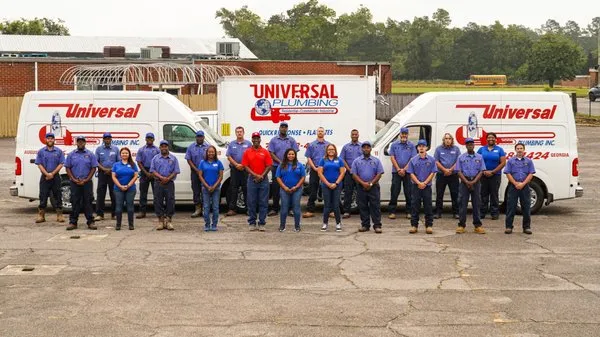
Universal Plumbing
Universal Plumbing has been serving Augusta, GA and the Central Savannah River Area since 1985, when founder Larry Jones started with just one truck. Today, as the largest family-owned plumbing compan...
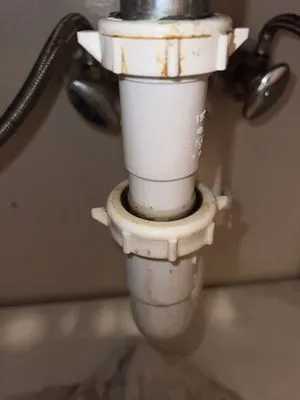
AM Handyman is a trusted local handyman service in Augusta, GA, specializing in a comprehensive range of home repair and improvement tasks. We provide reliable solutions for appliance installation and...

Je'Wat Industries is a trusted plumbing and HVAC service provider serving Augusta, GA homeowners and businesses. With expertise in bathtub installation and repair, drain services, faucet work, garbage...
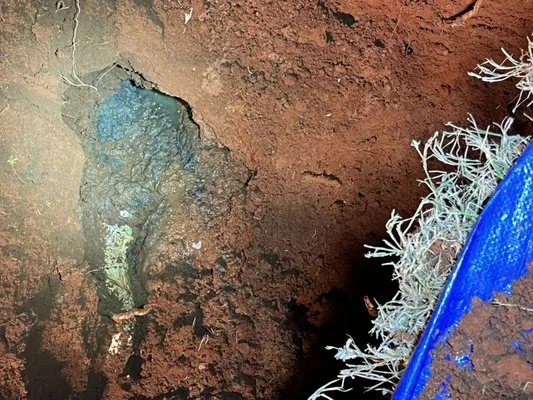
WPC Plumbing is a trusted, locally-owned plumbing service dedicated to the residents and businesses of Waynesboro, GA. We are a growing business built on a commitment to reliable customer service and ...

Davis Construction
Davis Construction is a trusted, family-owned home services company that has been serving the Evans area and the wider CSRA region since 1989. We specialize in a comprehensive range of services, from ...
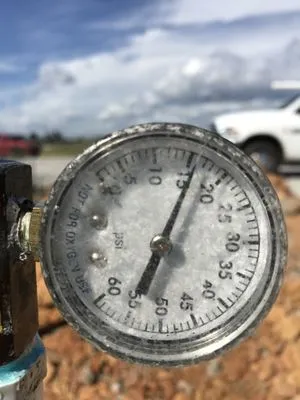
Georgia Lina Plumbing & Remodeling is a trusted, full-service plumbing contractor serving Augusta, GA, and the surrounding communities. We specialize in residential, commercial, and industrial plumbin...
Ready For Work is a trusted plumbing service in Metter, GA, dedicated to keeping local homes and businesses running smoothly. We specialize in faucet, sink, toilet, and water heater installation and r...

Coleman Plumbing
Coleman Services has been the trusted plumbing and HVAC expert for the Augusta and CSRA areas since 1992. As a local, family-operated business with over 50 years of combined technician experience, we ...

Based in Augusta, GA, Pinnacle Siteworks provides essential site preparation and earthwork services for residential and commercial projects across the Central Savannah River Area. Our team tackles eve...
Estimated Plumbing Costs in Waynesboro, GA
Frequently Asked Questions
How quickly can you get to a plumbing emergency here?
Heading past Burke County Courthouse on US-25 provides direct access to most of the city and surrounding areas. A typical dispatch from this central point takes 20 to 30 minutes under normal conditions. We route to keep travel efficient, avoiding unnecessary delays for urgent calls.
Could the flat land here cause drainage problems?
The relatively plain terrain around Burke County means drainage relies on proper grading and clear storm systems. If the soil near a foundation becomes saturated, it can put hydrostatic pressure on basement walls or slab foundations. Ensuring downspouts discharge well away from the house is critical to prevent water from pooling and stressing the main sewer line.
Why are my copper pipes failing now in Waynesboro?
Copper plumbing installed around 1975 has reached 50 years of age. At this point, homes in the Waynesboro Historic District often see pinhole leaks from internal corrosion. The water's chemistry and decades of flow have thinned pipe walls, making them susceptible to failure. This is a predictable lifecycle issue for systems of this vintage.
Should I drip my faucets during a freeze in Waynesboro?
When temperatures approach the mid-30s, especially during a spring thaw after a cold snap, dripping faucets is a prudent safeguard. It relieves pressure inside pipes that can lead to bursts. Focus on faucets served by pipes on exterior walls or in unheated crawlspaces, as these are most vulnerable in our temperate climate.
Does our hard water damage plumbing fixtures?
Water from the Floridan Aquifer is rich in minerals, leading to hard water scale buildup. This limescale coats the inside of water heaters, reducing efficiency and lifespan, and it restricts flow in faucet aerators and showerheads. Installing a water softener can mitigate this, but scale should be periodically removed from appliances to maintain function.
Who pulls permits for a plumbing job in Waynesboro?
The Waynesboro Building and Zoning Department issues local permits. As a Master Plumber licensed by the Georgia State Board of Examiners, I handle that paperwork and ensure the work meets all code requirements. My license means I manage the red tape so you don't have to navigate inspections or compliance issues yourself.
Are septic systems common in the Waynesboro area?
Many homes outside the immediate city limits use private septic systems and wells. This means maintenance responsibility falls entirely on the homeowner. Regular septic tank pumping every 3-5 years is essential, and well components like pressure tanks and switches require periodic inspection to ensure consistent water delivery and pressure.
What is a pinhole leak in my copper pipes?
Pinhole leaks are small perforations in copper pipe walls, common in systems from the 1970s. They occur where aggressive water or sediment has worn through the pipe's interior over decades. You'll often find them first at fittings or along horizontal runs, appearing as a persistent drip or a small stain on a ceiling.
