Top Emergency Plumbers in Warrenton, GA, 30828 | Compare & Call

There are 235 plumbing companies server in Warrenton GA
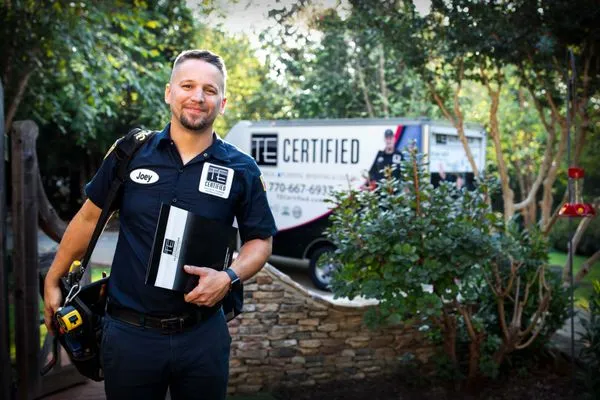
TE Certified Electrical, Plumbing, Heating & Cooling
TE Certified Electrical, Plumbing, Heating & Cooling is your Roswell-based, multi-trade home service provider, owned and operated by Josh Brooker. We specialize in comprehensive residential repairs an...
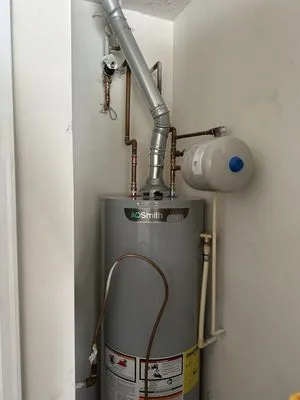
Georgia Plumb Solutions is a locally-owned Atlanta plumbing service built on a foundation of deep experience and a commitment to excellence. We operate as a dedicated, hands-on team that believes in g...
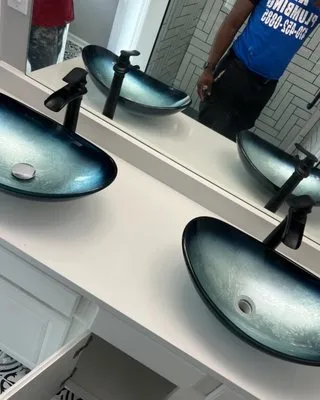
King Plumbing, based in Lithonia, GA, is a locally owned and operated plumbing service founded on a lifelong dedication to the trade. Owner King started plumbing at age 17 and has turned his passion i...
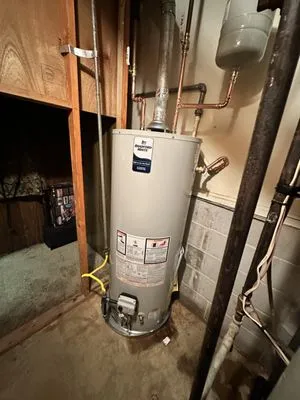
Non Stop Plumbing is a licensed, locally-owned plumbing service in Atlanta, GA, dedicated to providing reliable solutions for both residential and commercial clients. As a small business, we pride our...
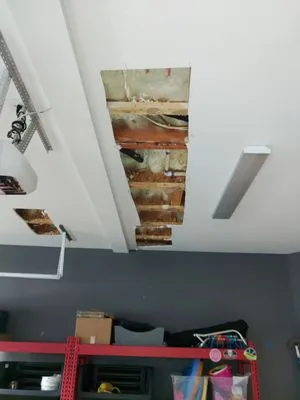
Greenlee Plumbing
Greenlee Plumbing is a licensed master plumbing company serving Gainesville, GA, and surrounding areas since 2001. With over 20 years of specialized experience in whole-house repiping, we focus on rep...
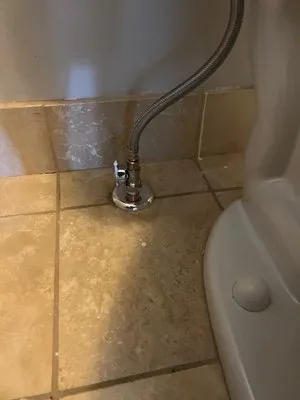
Alliance Plumbing and Drain
Alliance Plumbing and Drain is a trusted, family-operated plumbing service proudly serving Suwanee and the greater Metro Atlanta area since 2006. Founded by owners Vitaliy N. and Dmitriy K., who each ...
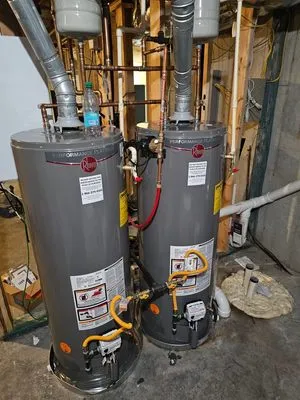
Jeff's Plumbing, LLC is a licensed and insured Atlanta plumbing contractor with 9 years of experience serving residential and commercial clients. We focus on providing reliable plumbing solutions, fro...
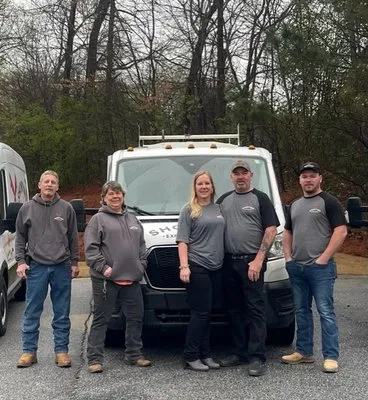
Showtime Express Plumbing
Showtime Express Plumbing is a family-owned and operated business serving Winder, GA, and the surrounding communities. Founded on over 30 years of combined commercial and residential plumbing experien...
A-1 Rooter Plumbing and Septic
For nearly three decades, A-1 Rooter Plumbing and Septic has been a trusted, family-owned provider for Hoschton and the surrounding communities. Our focus is on building lasting relationships through ...

For over three decades, Whitepipe Enterprises has been Atlanta's trusted plumbing partner. Founded in 1990, this family-owned and operated business is led by Master Plumbers who bring a wealth of expe...
Estimated Plumbing Costs in Warrenton, GA
Q&A
As a rural homeowner, what plumbing systems need my attention?
Your well and septic system require specific maintenance that municipal homeowners don't face. Have your well water tested annually for bacteria and mineral content. Your septic tank should be pumped every 3-5 years, depending on household size, to prevent solids from clogging the drain field. Avoid using chemical drain cleaners, as they can kill the essential bacteria in your septic tank that break down waste. These systems are your responsibility, so proactive care avoids very costly repairs.
Could the flat land around my house cause plumbing problems?
The plain terrain here can complicate drainage. With minimal natural slope, water from heavy rains has nowhere to go, leading to saturated soil around your foundation. This constant pressure can stress and eventually crack your home's main sewer line. It also increases hydrostatic pressure against basement or crawl space walls, making sump pump failure a serious concern. Proper grading away from the foundation is critical for long-term drainage health.
What's the one thing I should do to prevent frozen pipes here?
Disconnect and drain your garden hoses every winter. Our temperate climate means homeowners often forget we still hit lows around 33°F, and that's all it takes. A hose bib with a hose attached traps water in the pipe stub inside the wall, which then freezes and splits. This simple, five-minute task prevents the most common freeze-related leak I see in Warren County. For exposed pipes in unheated crawl spaces, adding insulation sleeves provides extra security.
Does the hard water in Warrenton damage appliances?
Absolutely. Water from the Ogeechee River basin is high in minerals, primarily calcium and magnesium. This scale aggressively coats the heating elements in your water heater, forcing it to work harder and fail years early. You'll see the same chalky, white buildup on showerheads and faucet aerators, which reduces flow and can cause premature valve failure. Installing a whole-house water softener is the most effective defense to protect your plumbing hardware from this accelerated wear.
Do I need a permit to replace my water heater in Warren County?
Yes, most water heater replacements require a permit from the Warren County Building and Zoning Department. As a master plumber licensed by the Georgia State Construction Industry Licensing Board, I pull all necessary permits and schedule the required inspections. This ensures the installation meets current state and local codes for safety and energy efficiency. Handling this red tape is part of the job—it protects your investment and keeps everything above board.
My Warrenton home was built in the early 1970s. Should I be worried about my plumbing?
Yes, the galvanized steel pipes installed around 1970 are now 56 years old. Their lifespan is typically 50-60 years. Homeowners in Downtown Warrenton are seeing widespread failure, with the most common issue being a severe drop in water pressure throughout the house. This happens as decades of hard water scale buildup completely narrows the pipe's interior, a process called galvanic corrosion. You might also notice persistent rusty water at your taps, which is a sign the pipe walls are actively deteriorating from the inside out.
How fast can a plumber get to my house in Warren County?
From my shop, a standard dispatch heads past the Warren County Courthouse onto US-278. That main artery connects most of the county, allowing for a 45 to 60 minute response window for most calls. Knowing these routes lets me estimate arrival accurately, so you're not left waiting. For true emergencies, I can prioritize and often shorten that time by taking back roads if needed.
Why do my old pipes keep springing pinhole leaks?
Galvanized steel from the 1970s corrodes from the inside due to a reaction between the zinc coating, the iron, and our hard water. This creates weak spots that eventually perforate, causing those frustrating pinhole leaks. The problem often starts at the threaded joints, where dissimilar metals meet and accelerate corrosion. Once one pinhole appears, the entire pipe run is compromised and more leaks are imminent, making spot repairs a temporary fix at best.
