Top Emergency Plumbers in Trenton, GA, 30752 | Compare & Call

There are 18 plumbing companies server in Trenton GA
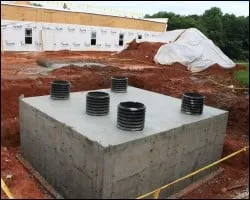
Clay Service has been a trusted name in Northwest Georgia's septic and plumbing care since 1960. As a family-owned and operated business based right here, we understand the specific challenges that ho...
Edencrest Family Plumbing & Home Improvement
Edencrest Family Plumbing & Home Improvement is a trusted, locally-owned business serving Rock Spring, GA, and surrounding communities. We specialize in comprehensive plumbing services and home improv...
Dayspring Plumbing has been serving Ringgold, GA, and the surrounding communities for over 27 years. We are a locally owned and operated business built on the principles of license, experience, abilit...
Newsome Gap Home Repair
Newsome Gap Home Repair is a trusted local handyman service serving Rising Fawn and the surrounding Lookout Mountain area. We specialize in both plumbing and electrical work, providing reliable soluti...
A&J Handyman Services is a locally owned and operated business in Summerville, GA, with over 20 years of experience serving the community. We provide reliable handyman solutions for a wide range of ho...

Case Plumbing is a trusted local plumbing service based in Trenton, GA, dedicated to keeping homes and businesses running smoothly. We specialize in thorough plumbing inspections to identify and addre...
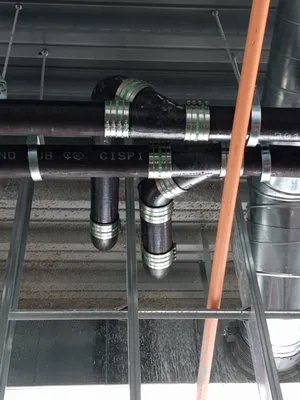
Tom's Plumbing Services is your trusted local plumbing expert in Trenton, GA. For years, Tom has been helping homeowners and businesses with a comprehensive range of services, from routine faucet inst...
Gilbreath Larry is a trusted local plumbing service based in Trenton, GA, dedicated to solving common community plumbing problems. With a focus on thorough plumbing inspections, Larry helps Trenton ho...
Conner Excavating is your trusted local excavation and plumbing specialist serving Trenton, GA, and Dade County. We specialize in solving the unique challenges posed by our area's clay-heavy soil, whi...
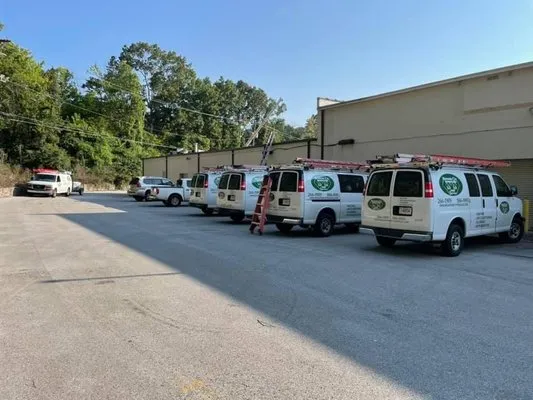
Mountain City Service
Mountain City Service, established in 2002 by David Broome and David Smith, provides reliable mechanical and plumbing solutions for the Signal Mountain and greater Chattanooga area. With over 78 years...
Estimated Plumbing Costs in Trenton, GA
Question Answers
Are there special plumbing considerations for rural Trenton properties?
Rural properties in Dade County typically rely on well water and septic systems rather than municipal connections. Well pumps require regular maintenance to handle hard water minerals, and septic fields need proper grading on sloped land. Pressure tanks should be checked annually for proper air charge to prevent pump cycling issues.
How quickly can a plumber reach my home in Trenton?
Heading past Cloudland Canyon State Park on I-59, our dispatch route covers most of Dade County within 45-60 minutes. We monitor traffic patterns and weather conditions that might affect travel time on these mountain roads. This routing ensures we can respond efficiently whether you're near downtown or in more remote areas of the county.
Does Lookout Creek water affect my home's plumbing fixtures?
Water sourced from Lookout Creek contains high mineral content that creates hard water scaling throughout your plumbing system. This buildup reduces water heater efficiency by insulating heating elements and restricts flow in faucets and showerheads. Over time, scale accumulation can shorten appliance lifespans and increase energy costs for water heating.
What should I do to prevent frozen pipes during Trenton winters?
With winter lows reaching 28°F, exposed pipes in crawl spaces or exterior walls need insulation. A pro-tip for our temperate climate: disconnect garden hoses before the first freeze and let faucets drip during extreme cold snaps. Pay particular attention to pipes in unheated garages or along north-facing walls where temperatures drop fastest.
Could my home's hillside location cause plumbing problems?
Hilly terrain around Cloudland Canyon State Park creates drainage challenges that stress main water lines. The slope can cause soil shifting that puts pressure on buried pipes, leading to joint separation or line fractures. Proper grading around your foundation is essential to prevent water from pooling near your main line entry point.
Who handles permits for plumbing work in Dade County?
The Dade County Building and Zoning Department issues local permits while the Georgia State Board of Examiners of Plumbing Contractors oversees licensing. As a licensed master plumber, I handle all required inspections and paperwork for projects. This ensures your plumbing work meets current codes without you navigating bureaucratic processes.
My Trenton home was built around 1990 - should I be worried about my plumbing?
Copper pipes installed in 1990 are now 36 years old. In Downtown Trenton, homeowners are seeing increased frequency of pinhole leaks and joint failures as the copper reaches this age. The original solder joints and pipe walls have endured decades of water pressure and mineral interaction. It's common to notice small drips behind walls or under sinks that weren't present five years ago.
Why do my copper pipes keep developing small leaks?
Copper pipes from the 1990s often experience pinhole leaks due to electrolytic corrosion and scale buildup. The mineral content in our water interacts with the copper over decades, creating weak spots that eventually fail. Joint calcification is another common issue where mineral deposits compromise solder connections, leading to slow leaks behind walls.
