Top Emergency Plumbers in Tennille, GA, 31089 | Compare & Call

There are 236 plumbing companies server in Tennille GA
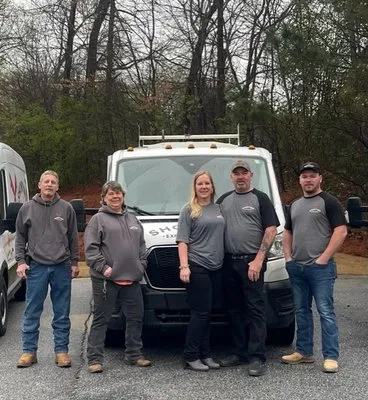
Showtime Express Plumbing
Showtime Express Plumbing is a family-owned and operated business serving Winder, GA, and the surrounding communities. Founded on over 30 years of combined commercial and residential plumbing experien...

For over three decades, Whitepipe Enterprises has been Atlanta's trusted plumbing partner. Founded in 1990, this family-owned and operated business is led by Master Plumbers who bring a wealth of expe...
Reliable Heating & Air, Plumbing and Electrical
Reliable Heating & Air has been a trusted local name in Kennesaw and across Metro Atlanta since 1978. As a family-operated company, we combine the resources of over 300 highly qualified technicians an...
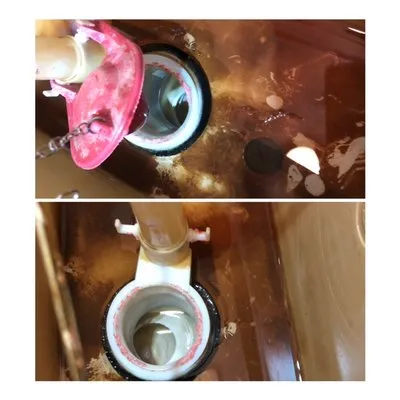
Tiptop Plumbing Services
Tiptop Plumbing Services, Inc. has been a trusted plumbing provider in Loganville, Georgia, and surrounding areas since 1994. Founded by Charles, who has over 30 years of experience in the field, the ...
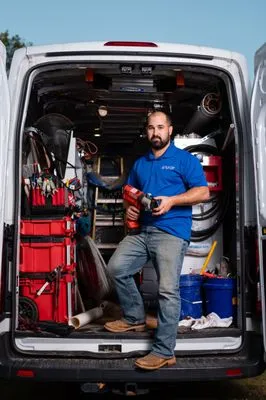
Fix the Drip Plumbing, LLC, is a Jackson-based plumbing service proudly owned and operated by Licensed Master Plumber Ben Calmes Jr. A United States Air Force veteran, Ben brings over 15 years of comp...

Mann Mechanical Company
Founded in 1969, Mann Mechanical Company is a Decatur-based mechanical contracting firm specializing in industrial and commercial HVAC and plumbing systems across Georgia, Alabama, and Tennessee. We p...
Plumber Pro Service & Drain
Plumber Pro Service & Drain is a locally-owned and operated plumbing business founded by Master Licensed plumber Sam Ivey, who brings over 15 years of specialized residential experience to every job. ...
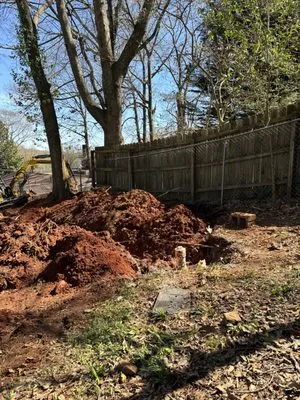
Drain Dawgs And Services is your local, licensed drain specialist in Nicholson, GA, providing comprehensive 24/7 plumbing and drainage solutions. We specialize in prompt, same-day estimates and servic...
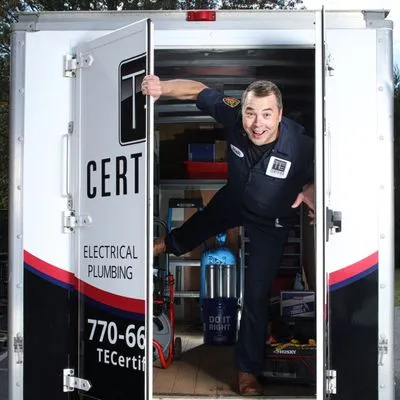
TE Certified Electrical, Plumbing, Heating & Cooling
TE Certified Electrical, Plumbing, Heating & Cooling is a Lawrenceville-based home service company serving Metro Atlanta. Owner and CEO Josh Brooker leads a team of licensed and certified electricians...

Bowen's Septic Tank is a family-owned and locally operated business serving Conyers and the greater Atlanta area for over three decades. Founded on a commitment to quality and community, the company h...
Estimated Plumbing Costs in Tennille, GA
Frequently Asked Questions
What causes those small, persistent leaks in my home's old pipes?
In a 1968 home with original galvanized steel, you're likely dealing with pinhole leaks. These occur when internal rust and scale, accelerated by our hard water, create a weak spot that finally corrodes through the pipe wall. Another common failure at this age is joint calcification, where mineral deposits from decades of water flow completely cement the threaded fittings shut, making repairs without full pipe replacement nearly impossible.
How fast can a plumber get to my house in Tennille in an emergency?
Our typical dispatch route for Tennille starts from the Tennille Woman's Club, heading out on US-15. Travel time depends on your specific location off the main highway, but most calls within the town limits have a 45 to 60 minute response window. We plan routes to minimize time on back roads, prioritizing access from the major artery to reach you efficiently.
Do I need a permit to replace the water heater in my Washington County home?
Washington County Building and Zoning requires permits for water heater replacements to ensure proper venting and pressure relief. As a Master Plumber licensed by the Georgia State Board of Examiners of Plumbers, I pull all necessary permits and schedule the required inspections. My crew handles the red tape and code compliance so you don't have to navigate the county bureaucracy yourself, ensuring the job is documented and legal.
Why do the houses in Downtown Tennille seem to have so many plumbing leaks lately?
Most homes in the Downtown Tennille area were built with galvanized steel piping around 1968. That means the plumbing is now 58 years old, which is well past its expected 40-50 year lifespan. At this age, the zinc coating inside the pipes has completely eroded away, leaving the bare steel to rust from the inside out. Homeowners are now seeing widespread pinhole leaks and complete pipe blockages from decades of internal corrosion and mineral buildup.
As a rural homeowner, are my septic and well system concerns different from city plumbing?
Yes, rural systems operate independently. Your well pump, pressure tank, and septic field are all your responsibility. Municipal pressure or sewer line roots aren't the issue. Instead, focus on the health of your drain field and the age of your well components. A failing pressure switch or a saturated septic field are common rural emergencies that require specific expertise not typically needed for town water and sewer connections.
Could the flat land around Tennille be causing my slow drains?
The plain terrain here offers very little natural slope for drainage. If your home's main sewer line was installed with an insufficient grade, waste and water do not flow with enough force to clear the pipe, leading to chronic slow drains and sediment buildup. This is especially noticeable in areas near the Tennille Woman's Club, where the soil is consistent. Over time, the lack of pitch puts extra stress on the line and requires more frequent professional cleaning.
Does the local water in the Oconee River Basin damage my appliances?
Water from the Oconee River Basin is very hard, meaning it has a high mineral content. This leads to rapid scale buildup inside pipes and appliances. Your water heater's heating elements can become coated, reducing efficiency and causing premature failure. Faucet cartridges and shower valves also wear out faster due to abrasive mineral particles. Installing a whole-house water softener is the most effective long-term defense for your plumbing hardware.
What's the one thing I should do to prevent frozen pipes here in winter?
While our temperate climate means deep freezes are brief, overnight lows can still hit 35°F or below. The pro-tip is to locate and insulate all exterior wall plumbing, including lines in unheated crawl spaces. A single cold snap can freeze a pipe in an outside wall if the insulation is inadequate. It's more effective and cheaper than letting faucets drip, which addresses the symptom but not the root cause of exposed, vulnerable piping.
