Top Emergency Plumbers in Sterling, GA, 31525 | Compare & Call

There are 236 plumbing companies server in Sterling GA
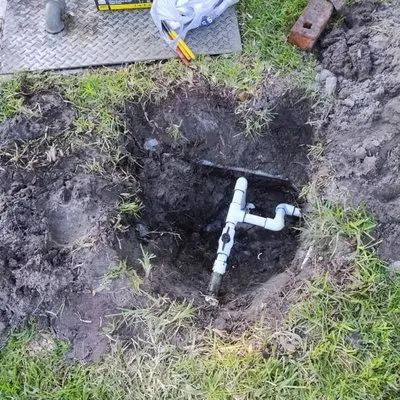
Al's Plumbing Services
For over 18 years, Al's Plumbing Services LLC has been a trusted provider for Jacksonville homeowners and businesses. We are committed to honesty, integrity, and exceptional customer service, handling...
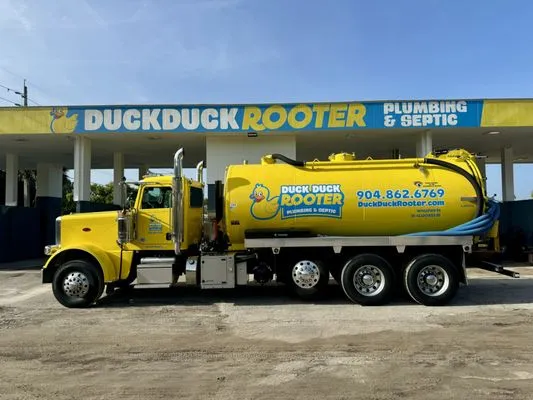
Duck Duck Rooter Plumbing, Septic & Air Conditioning
Duck Duck Rooter Plumbing, Septic & Air Conditioning is your trusted local expert for Jacksonville's essential home systems. Our licensed and experienced team provides reliable solutions for plumbing,...
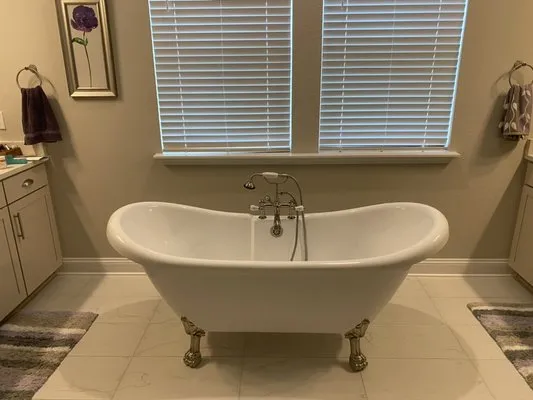
Peyton Plumbing
Peyton Plumbing has been serving Jacksonville, FL, with reliable plumbing solutions for over 30 years. As a licensed and bonded company, we specialize in a comprehensive range of services for both res...
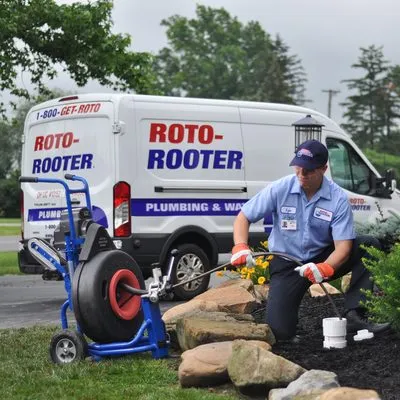
Roto-Rooter Plumbing & Water Cleanup
Roto-Rooter is a trusted, fully-staffed plumbing and water cleanup service ready for Jacksonville homeowners and businesses 24/7. Our team provides dependable, fast, and friendly service for everythin...
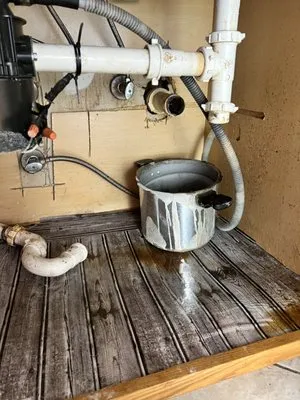
Lickety Split AC, Plumbing & Electric
Lickety Split AC, Plumbing & Electric is a licensed, full-service home solutions provider serving Jacksonville and Northeast Florida. We handle everything from HVAC installation and repair to comprehe...

David Gray Electrical Plumbing Heating & Air
David Gray Electrical Plumbing Heating & Air is a trusted family-owned home service provider serving Jacksonville and Northeast Florida since 1980. Founded by David Gray, who started the business from...
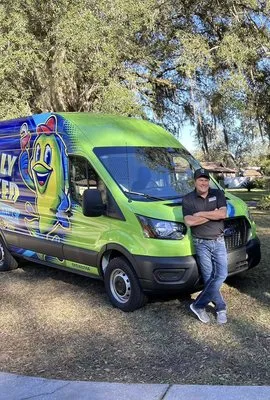
Totally Hooked Plumbing & Drains
Totally Hooked Plumbing & Drains is a locally owned and operated plumbing company serving Jacksonville, FL, with over 40 years of combined experience. We provide a comprehensive range of plumbing serv...
Rolland Reash Plumbing
For over 23 years, Rolland Reash Plumbing has been Jacksonville's reliable, family-owned plumbing service. With a fleet of more than 20 trucks and technicians who bring a combined 35 years of industry...
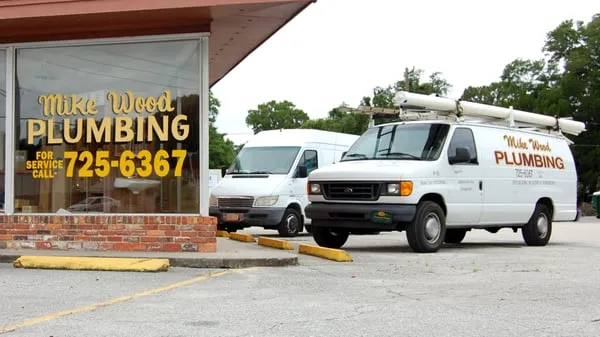
Mike Wood Plumbing
Mike Wood Plumbing is a family-owned and operated plumbing contracting company serving Jacksonville, FL, and surrounding areas since 1964. Based in the Arlington neighborhood, the business is now owne...

Superior Plumbing & Pipelining
Superior Plumbing & Pipelining provides trusted plumbing services for homes and businesses throughout Jacksonville, FL. We focus on reliable solutions for local needs, from fixing outdoor irrigation l...
Estimated Plumbing Costs in Sterling, GA
Common Questions
Who handles permits for plumbing work in Glynn County?
Glynn County Building Inspections requires permits for most plumbing modifications, and I hold current credentials from the Georgia State Board of Examiners of Plumbing Contractors. I handle the permit applications, inspections, and code compliance paperwork so homeowners don't need to navigate the bureaucracy themselves. This ensures all work meets current standards while protecting your investment in the property.
How long do copper pipes last in Sterling Estates homes?
Copper plumbing installed around 1989 is now 37 years old. At this age, homeowners in Sterling Estates often notice pinhole leaks developing in hot water lines first, especially near joints where solder has weakened. The thin-walled Type M copper common in that era shows wear from decades of water flow and mineral interaction. Regular inspections can catch these issues before they become major water damage problems.
How quickly can a plumber reach my home in Sterling?
Heading past Marshes of Glynn on US-82, our dispatch route typically takes 45-60 minutes to reach most Sterling addresses. We monitor traffic patterns on this corridor to optimize response times. Knowing the local roads means we can navigate efficiently whether you're near Sterling Estates or further out in the county.
How does Sterling's low-lying terrain affect my plumbing?
The low-lying areas around Marshes of Glynn create drainage challenges that put stress on main sewer lines. During heavy rains, saturated soil can shift and place pressure on underground pipes, potentially causing misalignment or cracks. Proper grading around your home's foundation is essential to prevent water from pooling near plumbing entry points. We often recommend installing backflow prevention devices in these conditions.
Are there special plumbing considerations for rural Sterling homes?
Many Sterling properties rely on well water and septic systems rather than municipal connections. Well pumps require regular maintenance to prevent sediment buildup, while septic systems need proper care to avoid drain field failure. Pressure fluctuations from well systems can stress older copper pipes. Understanding your specific water source and waste disposal setup is crucial for maintaining reliable plumbing in this rural area.
Does Sterling's hard water damage plumbing fixtures?
Water from the Floridan Aquifer contains high mineral content that causes scale buildup throughout your plumbing system. This scaling reduces water heater efficiency by insulating heating elements and restricts flow in faucet aerators and showerheads. Over time, mineral deposits can also accelerate corrosion in water-using appliances. Installing a whole-house water softener or using descaling treatments can mitigate these effects.
What plumbing precautions should I take before hurricane season?
With temperatures rarely dropping below 40°F here, freezing pipes aren't the main concern. Instead, prepare for hurricane season by securing outdoor faucets, checking sump pump operation, and knowing your main water shutoff location. Heavy rains can overwhelm drainage systems in our temperate climate. Keep gutters clear and ensure downspouts direct water away from your foundation to prevent backup issues.
Why do my 1980s copper pipes keep springing leaks?
Copper pipes from 1989 often develop pinhole leaks due to corrosion from water chemistry interacting with the metal over decades. Joint calcification is another common issue where mineral deposits build up at connections, creating stress points. These failures typically appear first in hot water lines where thermal expansion accelerates wear. Proper diagnosis requires checking both the pipe condition and your water's pH balance.
