Top Emergency Plumbers in Sandersville, GA, 31082 | Compare & Call

There are 11 plumbing companies server in Sandersville GA

Direct Services Plumbing & Drain is a family-owned and operated plumbing company serving Augusta, GA, and the CSRA region. With over 42 years of experience in the plumbing and drain cleaning trade, we...
Ready For Work is a trusted plumbing service in Metter, GA, dedicated to keeping local homes and businesses running smoothly. We specialize in faucet, sink, toilet, and water heater installation and r...
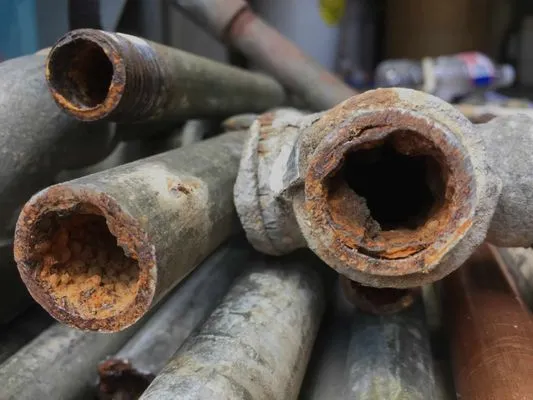
Brothers Plumbing is a family-owned plumbing service in Milledgeville, GA, with over 20 years of experience serving the local community. As third-generation plumbers, they bring decades of traditional...
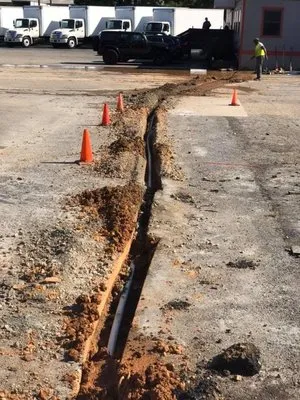
Rick's Plumbing Services has been Milledgeville's trusted plumbing partner since 1989. Founded by Rick, who moved here from Alabama as a single father with four young children, this family-owned busin...
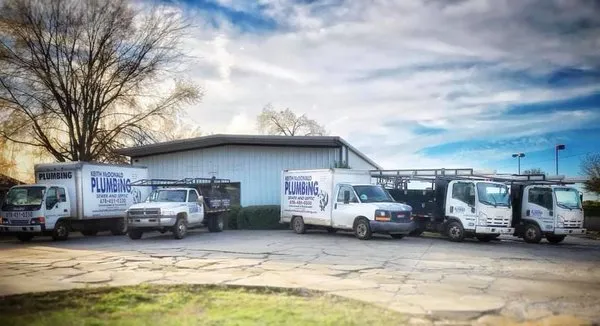
Keith McDonald Plumbing Sewer & Septic
Keith McDonald Plumbing, Sewer & Septic is a trusted, family-owned business serving Sandersville, Milledgeville, Eatonton, and surrounding counties since 2002. Founded by Master Plumber Keith McDonald...
Earl's Heating and Air Conditioning
Earl's Heating and Air Conditioning is a family-owned Milledgeville institution founded in 1985 by Earl Suggs. Drawing on decades of hands-on experience in commercial and residential HVAC, plumbing, a...

Summers Plumbing, LLC is a family-owned plumbing service dedicated to serving homeowners and businesses in Watkinsville and the surrounding areas. We build trust through reliable work and clear commun...

G2 Services is a family-owned plumbing business in Auburn, GA, dedicated to serving the community with reliable and comprehensive plumbing solutions. As a local, family-run operation, we understand th...
All Dawg Plumbing & Handyman Service is your trusted local expert in Commerce, GA, dedicated to keeping homes and businesses running smoothly. We understand the common plumbing challenges in our area,...
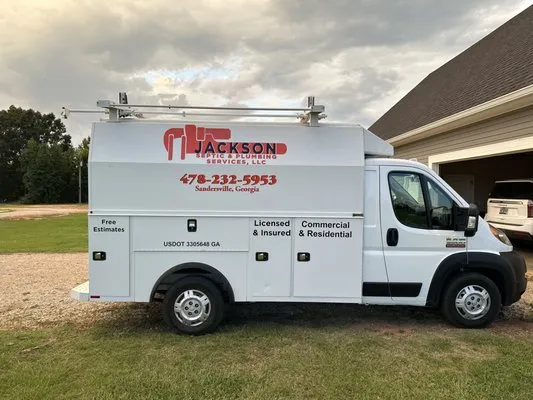
Jackson Septic & Plumbing Services
Jackson Septic & Plumbing Services is a trusted, locally-owned provider for Sandersville and the surrounding communities. Licensed and insured, we offer a comprehensive range of residential and commer...
Estimated Plumbing Costs in Sandersville, GA
Common Questions
What's the one thing I should do to keep my pipes from freezing here?
Disconnect and drain your garden hoses before our winter lows near 34°F. A forgotten hose bib is the most common source of a freeze rupture in our temperate climate. For homes with crawl spaces, ensure any foundation vents are closed to keep cold air from circulating around supply lines during a hard freeze warning.
Why are my old pipes in Downtown Sandersville failing all of a sudden?
Your home's original copper plumbing is now 54 years old. Copper installed around 1972 has a typical lifespan of 50-60 years in our water conditions. Downtown Sandersville homeowners are currently seeing the cumulative effects of decades of hard water scaling, which causes pinhole leaks and joint fatigue. This isn't a random failure; it's the predictable age-related wear-out phase for that generation of pipe.
Do I need a permit to replace my water heater in Sandersville?
Yes, the Sandersville Building and Zoning Department requires a permit for water heater replacement to ensure the new installation meets current code for safety and energy efficiency. As a Master Plumber licensed by the Georgia State Construction Industry Licensing Board, I pull the permit, schedule the inspection, and handle all the red tape so you don't have to.
What causes those tiny leaks in my copper pipes?
Pinhole leaks in 1970s-era copper are often due to internal corrosion called Type 1 pitting. Sandersville's water chemistry, combined with the pipe's age, creates localized corrosion cells that eventually perforate the wall. You'll first notice a small, persistent damp spot on a wall or ceiling, which is the scale buildup inside the pipe finally giving way.
How long does it take a plumber to get to me in Sandersville?
Most calls from the Downtown area get a 45-60 minute dispatch. A typical route from our shop involves heading past the Old Jail Museum to pick up GA-15, which is the main artery serving most of the community. This routing allows us to cover the majority of Sandersville efficiently, barring major roadwork or an event on the highway.
Does Sandersville's hard water ruin my water heater?
Yes, the mineral content from the Oconee River Basin accelerates scale buildup. Inside your water heater, this sediment acts as an insulator, forcing the unit to work harder and shortening its life. On fixtures, you'll see crusty white deposits around aerators and showerheads, which restrict flow and damage rubber seals over time.
Could my home's hillside location cause plumbing problems?
Hilly terrain, like the slope around the Old Jail Museum area, puts constant gravitational stress on your main sewer line. Over decades, this can cause the pipe to sag or separate at joints. It also affects drainage around your foundation, so ensuring positive grading away from the house is critical to prevent water intrusion into basements or crawl spaces.
Are there special plumbing concerns for a rural area like this?
Properties outside the city core often rely on private wells and septic systems. Well components like the pressure tank and pump require specific maintenance, and septic fields must be inspected regularly. Water quality from a private well is also your responsibility, unlike municipal water, so testing for hardness and pH is a key part of system care.
