Top Emergency Plumbers in Saint Simons Island, GA, 31522 | Compare & Call

Saint Simons Island Emergency Plumbers
Phone : (888) 860-0649
There are 34 plumbing companies server in Saint Simons Island GA

The Fix It Men is more than a handyman service; it's a family legacy of craftsmanship and care in Hinesville. As the 4th generation owner, I carry forward a tradition started by my great-grandfather, ...
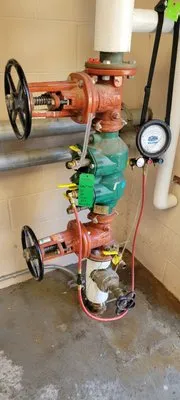
Backflow Solutions Testing Service LLC is a locally owned and operated business in Ludowic, Georgia, dedicated exclusively to safeguarding the community's water supply. As a specialized testing servic...
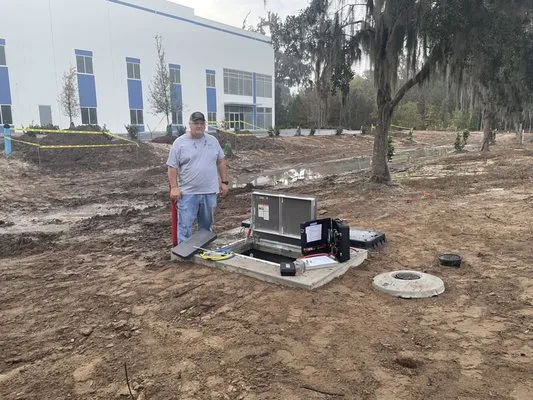
Norby Enterprises is your trusted local plumbing expert serving Midway, GA, and the surrounding communities. We specialize in tackling the most common plumbing challenges faced by area homeowners, par...
Peachtree Plumbing & Rooter is a trusted, locally-owned plumbing service dedicated to serving Brunswick, GA, and the surrounding communities. We specialize in tackling the most common plumbing headach...
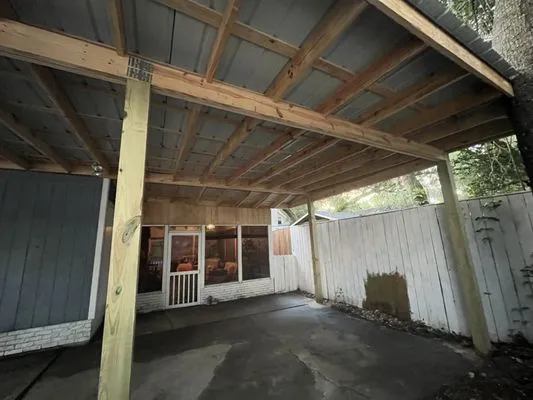
Ramirez Plumbing & More is your trusted, local plumbing partner in Blackshear, GA. We provide comprehensive residential plumbing services, from emergency repairs to full installations, for homeowners ...
Justified Plumbing & Electric is a trusted, family-owned and operated business proudly serving Hortense and the surrounding communities. Founded on the principles of integrity and reliability learned ...
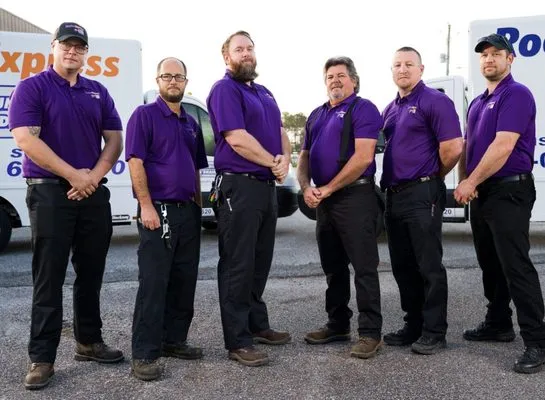
Rooter Express Plumbing & Drain has been providing dependable plumbing services to the Brunswick, GA community. We are a local, family-operated team of licensed and insured plumbers committed to solvi...
DnA Consulting and Contracting is your local, reliable home repair partner serving Kingsland and the surrounding communities. We specialize in a comprehensive range of household services, from applian...
Aqua Plumbing and Remodeling
Aqua Plumbing and Remodeling is a Brunswick-based plumbing company serving homeowners and businesses throughout the area. We specialize in comprehensive plumbing solutions, from routine repairs to com...
Snyder Plumbing
Snyder Plumbing is a family-owned, master plumber-certified business serving Brunswick, GA, and surrounding areas for nearly three decades. We specialize in both residential and commercial plumbing se...
Estimated Plumbing Costs in Saint Simons Island, GA
Question Answers
What's one thing I should do to my plumbing before leaving for the summer?
Set your water heater to its 'vacation' or lowest setting before an extended trip. Our winter lows around 42°F are rarely a freeze risk for properly insulated pipes, but keeping a tank at full temperature for months is wasteful and accelerates scale buildup. For complete peace of mind, locate and turn off your main water shut-off valve. This simple step protects against any unnoticed leak, major or minor, while the house is vacant during the peak vacation season.
Do I need a permit to replace my water heater or repipe my house?
Yes, Glynn County Building Inspections requires permits for water heater replacements and any repiping that alters the system. As a Master Plumber licensed by the Georgia State Construction Industry Licensing Board, I pull those permits, schedule the inspections, and ensure the work meets all current code. My crew handles that red tape so you don't have to navigate county offices. The process protects your investment and is a standard part of professional plumbing work on the island.
We're on municipal water. Why is my water pressure so inconsistent?
In our suburban setting, pressure issues usually stem from one of two places. First, the pressure regulator valve where the county's main meets your house, which fails after 20-25 years. Second, it's often a blockage in the pipes themselves. The scale from our hard water drastically narrows the interior diameter of older copper lines, especially on the hot side. Checking the pressure at an exterior spigot with a gauge can tell us if the problem is before the house or within your plumbing system.
Why do my copper pipes from the 80s keep springing pinhole leaks?
Copper installed in 1984 has spent its life carrying water from the Floridan Aquifer, which is high in mineral content. This causes scale buildup that, over four decades, creates a corrosive environment inside the pipe. The result is pinhole leaks, typically where hot and cold lines meet at fittings or in horizontal runs where sediment settles. It's a predictable failure point for this vintage of plumbing, and partial repiping is often a more practical long-term fix than chasing individual leaks.
Our water is so hard. What does it do to our plumbing appliances?
Water from the Floridan Aquifer deposits calcium and magnesium carbonate, known as scale, inside your pipes and appliances. In water heaters, this scale acts as an insulator on the heating element, forcing it to work harder and fail sooner. You'll also see reduced flow from showerheads and faucet aerators as they become clogged. Installing a whole-house water softener is the standard defense here, as it directly addresses the mineral content before it reaches your hardware.
How long does it take for a plumber to reach my house on the island during an emergency?
Heading past St. Simons Island Lighthouse on I-95 is the main route for trucks carrying parts and for crews coming from the mainland. A typical dispatch from our shop to most island addresses takes 20 to 30 minutes, traffic depending. We factor in the causeway and island traffic patterns, especially during the summer season. Knowing the routes lets us give you a reliable window so you're not waiting on an estimate.
Could the sandy soil near the lighthouse be affecting my main sewer line?
Coastal terrain here can shift subtly over time. Sandy soil does not provide the consistent support that rigid PVC or clay sewer lines need. This can lead to stress on pipe joints, resulting in misalignment or cracks that allow roots to infiltrate. We often find that the main line from a house toward the street has developed a low spot or belly where water and waste collect, eventually causing blockages. A video inspection can map the exact slope and condition of your underground line.
My home's original copper pipes are from 1984. What kind of problems should I expect now?
Your copper plumbing is 42 years old. In Pier Village, that's the age when we consistently start seeing pinhole leaks. The interior wall of the pipe thins over decades from water flow, and the hard water here accelerates that wear. You might notice small, persistent damp spots on drywall or a drop in water pressure before a leak becomes obvious. Proactive inspection of pipes in accessible areas, like under sinks, can help you spot the blue-green corrosion stains that signal a leak is forming.
