Top Emergency Plumbers in Redan, GA, 30035 | Compare & Call

There are 232 plumbing companies server in Redan GA
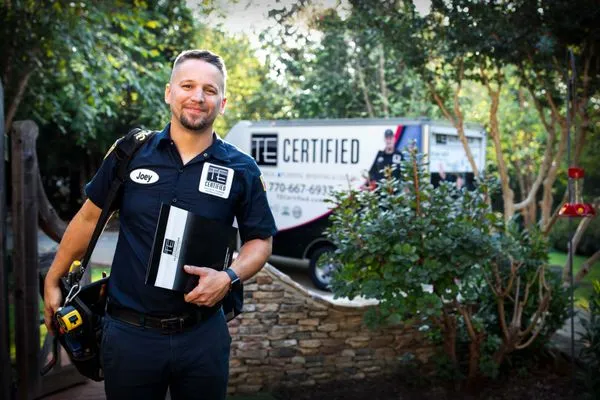
TE Certified Electrical, Plumbing, Heating & Cooling
TE Certified Electrical, Plumbing, Heating & Cooling is your Roswell-based, multi-trade home service provider, owned and operated by Josh Brooker. We specialize in comprehensive residential repairs an...
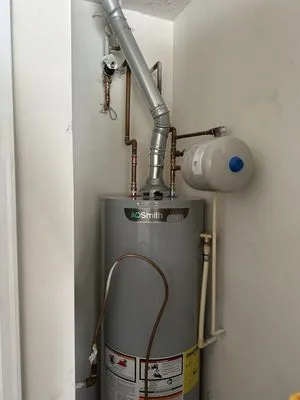
Georgia Plumb Solutions is a locally-owned Atlanta plumbing service built on a foundation of deep experience and a commitment to excellence. We operate as a dedicated, hands-on team that believes in g...
Mighty Plumbing
Mighty Plumbing is a Decatur-based, family-owned plumbing company that has been serving the Atlanta area since 2009. We provide reliable plumbing solutions for both homes and businesses. Our comprehen...
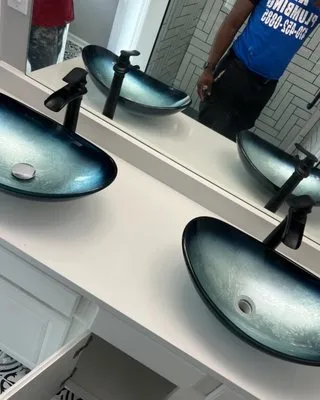
King Plumbing, based in Lithonia, GA, is a locally owned and operated plumbing service founded on a lifelong dedication to the trade. Owner King started plumbing at age 17 and has turned his passion i...
HVAC Guyz & Plumbing
At HVAC Guyz & Plumbing in Atlanta, our foundation is built on a deep-rooted passion for the trade and a commitment to our community. The journey began in New York, but we brought our family-owned bus...
Non Stop Plumbing is a licensed, locally-owned plumbing service in Atlanta, GA, dedicated to providing reliable solutions for both residential and commercial clients. As a small business, we pride our...
Fix & Flow Plumbing
Fix & Flow Plumbing Co. is a family-operated plumbing service based in Atlanta, Georgia, serving the community since 2011. We specialize in a comprehensive range of plumbing solutions for both residen...
Majestic Plumbing & Electric
Majestic Plumbing & Electric is your locally owned and operated, full-service neighbor in Marietta, serving the North Metro Atlanta area since 2005. More than just fixing leaks and upgrading panels, w...
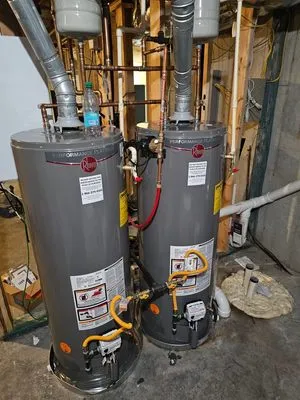
Jeff's Plumbing, LLC is a licensed and insured Atlanta plumbing contractor with 9 years of experience serving residential and commercial clients. We focus on providing reliable plumbing solutions, fro...
A Plus Priority Plumbing
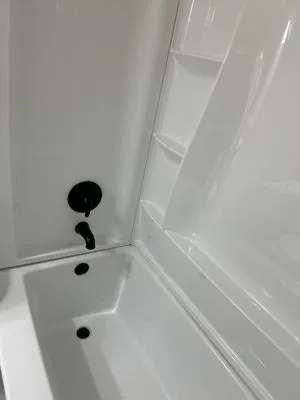
Founded at the end of the recession with over 20 years of expertise, A Plus Priority Plumbing is a trusted, locally-owned service provider for Atlanta, Austell, Marietta, and Powder Springs. The compa...
Estimated Plumbing Costs in Redan, GA
Question Answers
How quickly can a plumber get to my house in Redan if I have a burst pipe?
Heading past Stone Mountain Park on I-20, a standard dispatch route puts us in most of Redan within 30 to 45 minutes, depending on traffic near the Memorial Drive exits. We prioritize emergency calls, so you can expect a truck rolling shortly after your call. Knowing the local routes keeps response times predictable even during peak hours.
Our house in Redan Ridge was built in the mid-80s. What kind of plumbing issues should we expect now?
Homes built around 1985 have copper pipes that are now over 40 years old. In Redan, that age often leads to widespread pinhole leaks, especially behind walls and under slabs. You might notice a sudden drop in water pressure or unexplained damp spots on drywall. This is the typical failure point for copper of that vintage, and it usually requires a full repipe to resolve permanently.
As a suburban homeowner, what's my responsibility for the sewer line?
You are responsible for the lateral line from your house to the connection at the street main. In established suburbs like Redan, the primary concerns are root intrusion from mature trees and joint separation in older lines. Municipal pressure is generally stable, but a blockage in your lateral is always a homeowner repair. Regular jetting can help manage roots before they cause a backup.
Do I need a permit to replace my water heater, and how does that work?
Most plumbing replacements in DeKalb County require a permit from Planning and Sustainability. As a Master Plumber licensed by the Georgia State Board, I pull all necessary permits, schedule inspections, and handle the red tape so you don't have to. This ensures the work meets current code for safety and insurance purposes, which is critical for any major system upgrade.
Could the hilly land around here be causing my slow drains?
Yes, the sloping terrain in areas near Stone Mountain Park can stress sewer mains and laterals. Over decades, gravity can cause pipes to sag or settle at low points, creating bellies that collect waste and cause recurrent blockages. It also increases pressure on pipe joints. A video inspection can identify if a slope issue is the root cause of your drainage problems.
Why do my copper pipes keep springing small leaks?
Copper pipes installed in 1985 are prone to pinhole leaks due to a combination of age and the mineral content in our water. Internal corrosion, or type 1 pitting, creates weak spots that eventually fail. This isn't a localized repair issue; once one pinhole appears, others are likely forming throughout the system, indicating the plumbing is nearing the end of its service life.
Does our soft water from the Chattahoochee River damage water heaters?
Soft water is less scale-forming but more corrosive to metal. It accelerates the wear on anode rods in water heaters, causing them to deplete faster. Without a timely rod replacement, the tank's steel lining becomes exposed and rusts. You'll want to check and replace the anode rod every 3-5 years to prevent premature tank failure and sediment buildup.
What's the one winterizing tip I need for Redan's occasional hard freeze?
When temperatures dip near 34 degrees, focus on exterior faucets and irrigation lines. Disconnect hoses and install insulated faucet covers. For homes with crawl spaces, ensure vents are closed to keep cold air off pipes. In this temperate climate, a single cold night can freeze an unprotected line, so this simple step prevents the most common freeze-related burst.
