Top Emergency Plumbers in Pendergrass, GA, 30567 | Compare & Call

There are 187 plumbing companies server in Pendergrass GA
Greenlee Plumbing
Greenlee Plumbing is a licensed master plumbing company serving Gainesville, GA, and surrounding areas since 2001. With over 20 years of specialized experience in whole-house repiping, we focus on rep...
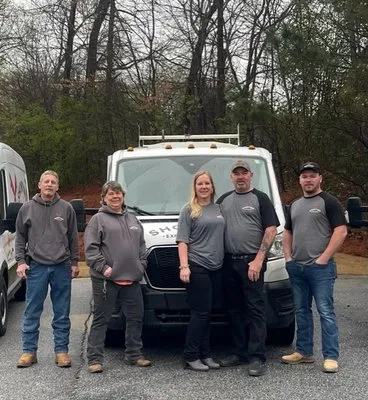
Showtime Express Plumbing
Showtime Express Plumbing is a family-owned and operated business serving Winder, GA, and the surrounding communities. Founded on over 30 years of combined commercial and residential plumbing experien...
A-1 Rooter Plumbing and Septic
For nearly three decades, A-1 Rooter Plumbing and Septic has been a trusted, family-owned provider for Hoschton and the surrounding communities. Our focus is on building lasting relationships through ...

For over three decades, Whitepipe Enterprises has been Atlanta's trusted plumbing partner. Founded in 1990, this family-owned and operated business is led by Master Plumbers who bring a wealth of expe...
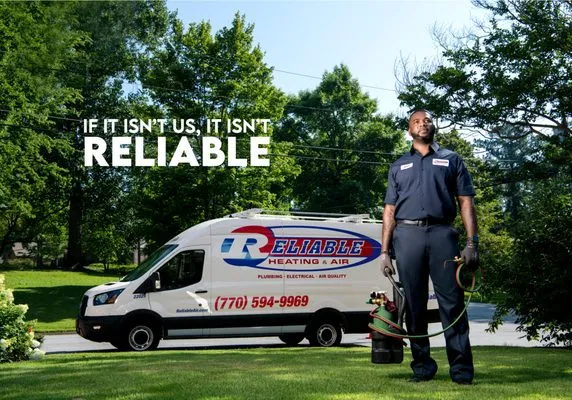
Reliable Heating & Air, Plumbing and Electrical
Reliable Heating & Air has been a trusted local name in Kennesaw and across Metro Atlanta since 1978. As a family-operated company, we combine the resources of over 300 highly qualified technicians an...

Bobby Amos Plumbing in Cumming, GA is a locally owned and operated plumbing service founded by Master Plumber Bobby Amos, who grew up in a family of plumbers and has dedicated his career to the trade....

Mann Mechanical Company
Founded in 1969, Mann Mechanical Company is a Decatur-based mechanical contracting firm specializing in industrial and commercial HVAC and plumbing systems across Georgia, Alabama, and Tennessee. We p...

Safeguard Plumbing is a trusted local provider serving Winder, Georgia, and the surrounding areas. Our mission is to deliver reliable and affordable plumbing services, ensuring every home and business...
Plumber Pro Service & Drain
Plumber Pro Service & Drain is a locally-owned and operated plumbing business founded by Master Licensed plumber Sam Ivey, who brings over 15 years of specialized residential experience to every job. ...
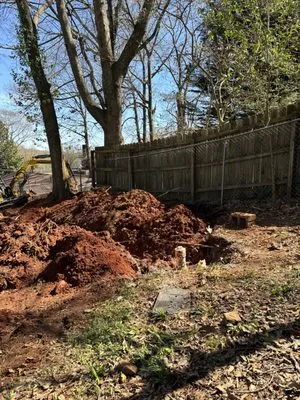
Drain Dawgs And Services is your local, licensed drain specialist in Nicholson, GA, providing comprehensive 24/7 plumbing and drainage solutions. We specialize in prompt, same-day estimates and servic...
Estimated Plumbing Costs in Pendergrass, GA
Question Answers
How quickly can a plumber get to my house in Pendergrass for an emergency?
A typical dispatch route from my shop heads past Hurricane Shoals Park to catch I-85 north, putting me in most parts of Pendergrass within 45 to 60 minutes. I plan routes around known traffic patterns and keep common repair parts on the truck for houses in this area. That drive time is factored into my scheduling to provide a realistic arrival window.
What's the most important thing to do to prevent frozen pipes in a Pendergrass winter?
While our temperate climate means deep freezes are brief, temperatures can still hit the low 30s. The pro-tip is to disconnect, drain, and store all garden hoses before the first forecasted freeze. A forgotten hose connected to an exterior spigot allows water to back up and freeze in the pipe inside your wall, which always cracks and bursts. It's a simple, five-minute task that prevents the most common winter plumbing emergency here.
Could the hilly land around Pendergrass be causing my drainage problems?
Absolutely. The sloping terrain, similar to what you see around Hurricane Shoals Park, puts constant stress on the main sewer line exiting your home. Over years, this can cause the pipe to settle or develop a low spot where waste collects and causes blockages. It also means surface water during heavy rain can flow toward your foundation, testing your exterior drainage systems more than in flat areas.
Do I need a permit to replace a water heater in Jackson County?
Yes, Jackson County Building Inspections Department requires a permit for water heater replacement to ensure proper safety codes, like earthquake strapping and pan installation, are met. As a Master Plumber licensed by the Georgia State Board of Examiners, I pull that permit, schedule the inspection, and handle all the red tape. This protects your home's compliance and insurance coverage, so you don't have to navigate the process yourself.
Why are we suddenly seeing so many plumbing problems in our Pendergrass homes built around 2011?
Copper pipe installed in 2011 is now about 15 years old. That's right at the point where the initial factory protective coating wears thin, especially in our hard water. Downtown Pendergrass homes from that era are now showing the first signs of pitting and corrosion, which leads to small but persistent leaks behind walls or under slabs. It's not a failure of the material, but the natural aging process accelerated by local water chemistry.
Are there special plumbing considerations for living in a rural area like Pendergrass?
Yes, most homes here rely on private wells and septic systems, not city water and sewer. This means water pressure is controlled by a well pump and pressure tank, which require specific maintenance. Your septic system's health is directly tied to what goes down your drains, and a failure is a much more significant repair than clearing a city sewer line. Understanding this self-contained system is key.
What's the most common plumbing repair needed for a 2010s-era Pendergrass home?
Homes with 15-year-old copper pipe often develop pinhole leaks. This occurs where hard water scale has built up unevenly inside the pipe, creating a corrosive environment that eventually wears a microscopic hole. You'll typically find these first at solder joints or where pipes contact framing, manifesting as a small, persistent damp spot on a ceiling or wall.
How does the hard water in Pendergrass affect my home's plumbing?
Our water comes from the Upper Oconee River Basin and carries a high mineral content. This causes scale to accumulate inside pipes and appliances. Your water heater's heating elements become insulated by this rock-like deposit, forcing it to work harder and fail sooner. Fixtures like showerheads and faucet aerators will also clog with mineral deposits much faster than in areas with soft water.
