Top Emergency Plumbers in Lakeland, GA, 31635 | Compare & Call

There are 11 plumbing companies server in Lakeland GA
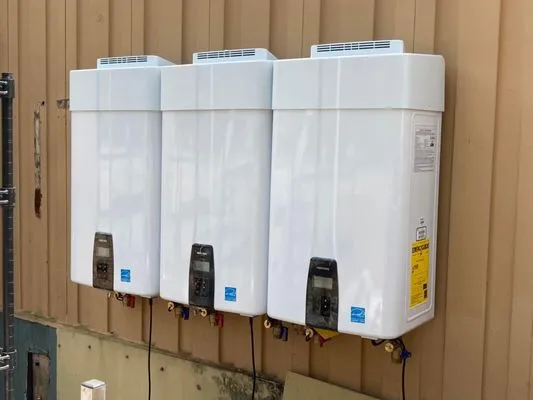
Plumbwell in Tifton, GA, is a locally owned and operated plumbing service built on the principle of providing quality work at an affordable price. Founded and run by an independent contractor, Plumbwe...

Mr. Plumber is your trusted local plumbing expert serving Valdosta, GA, and the surrounding communities. We understand the specific challenges homeowners in our area face, from disruptive septic tank ...
Roto-Rooter
Serving Valdosta and the surrounding communities, this locally owned and operated Roto-Rooter franchise provides comprehensive plumbing and drain cleaning services. Purchased by new local owners in 20...
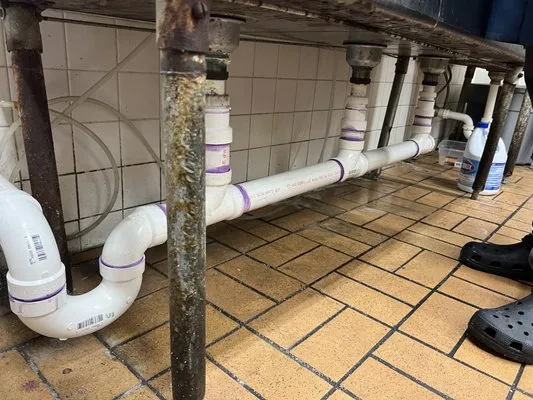
All Hours Drain Cleaning & Handyman Service
All Hours Drain Cleaning & Handyman Service in Valdosta, GA is a locally owned and operated business founded by a dedicated single father who started this venture to build a better future for his chil...
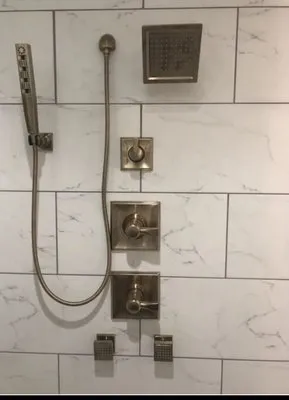
Southern Professional Plumbing is a trusted local plumbing service based in Douglas, GA, dedicated to solving common household plumbing problems for Coffee County residents. We specialize in addressin...
Handy Viking, based in Lake Park, GA, is your local solution for a wide range of home maintenance and improvement needs. Founded by a Danish craftsman with over three decades of construction experienc...

Quality Repair Services is a trusted, full-service plumbing company serving homeowners and businesses throughout Valdosta, GA. We understand the common local plumbing challenges, such as persistent pi...
Randolph's Repair Services is a trusted, locally-owned plumbing company serving Thomasville, GA, and the surrounding area. We specialize in comprehensive plumbing inspections to proactively identify a...

R&S Pool construction and repairs
R&S Pool is a trusted local pool construction and repair company serving Fitzgerald, GA, and the surrounding areas. We specialize in comprehensive pool services including plumbing inspection, pool ins...
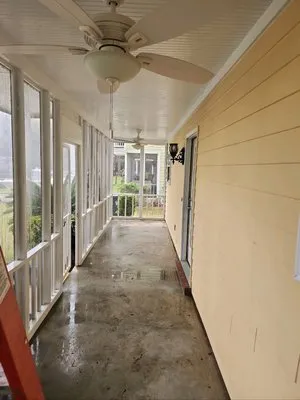
JB Handyman Service is your trusted local handyman in Lake Park, GA, offering reliable exterior painting, interior painting, and plumbing inspection services. We understand the unique challenges homeo...
Estimated Plumbing Costs in Lakeland, GA
Q&A
Who handles permits for a plumbing repair or replacement?
Any significant plumbing work in Lanier County requires a permit from the Building and Zoning office. As a master plumber licensed by the Georgia State Board of Examiners of Plumbing Contractors, I pull those permits, schedule the required inspections, and ensure the work meets all current codes. My crew handles that red tape so you don't have to navigate the county process yourself.
Does our hard well water damage plumbing fixtures?
Water drawn from the Floridan Aquifer is very hard, meaning it's high in dissolved calcium and magnesium. This mineral content precipitates out as scale, a hard, cement-like coating. Scale buildup is most damaging inside water heaters, reducing efficiency and lifespan, and it restricts flow in faucet aerators and showerheads. An annual inspection of the water heater's anode rod and periodic fixture cleaning are necessary maintenance steps.
Why is my 1980s copper plumbing suddenly failing?
Copper pipe from this era often fails due to a process called Type 1 pitting corrosion. Microscopic imperfections in the pipe's interior, combined with 45 years of water chemistry from the Floridan Aquifer, can create concentrated spots of corrosion. This leads to pinhole leaks, which typically start at joints or in horizontal runs where sediment can settle and accelerate the reaction.
My home's copper pipes are from the 1980s. What should I be watching for as they age?
Copper pipe installed around 1981 is now 45 years old. In Downtown Lakeland homes of this vintage, we commonly see pinhole leaks developing in hot water lines, especially near the water heater. The pipe wall gradually thins from decades of water flow and mineral interaction. It's prudent to check for small, persistent drips in basements or crawl spaces, and listen for ticking sounds in walls when hot water runs, which can indicate a leak starting.
What's one thing I should do before winter to protect my pipes?
While our temperate climate has mild winters, overnight lows can still dip near 38°F. The pro-tip is to disconnect, drain, and store all garden hoses before the first cold snap of the season. A forgotten hose can cause water to back up and freeze in the exterior faucet, splitting the pipe inside your wall—a preventable problem that's common even here.
How fast can a plumber get to my house out here?
From our shop, a typical dispatch route heads past Banks Lake National Wildlife Refuge on US-221 into the local network. For most calls in the Lakeland area, you can expect a 45 to 60 minute response window. We prioritize emergencies to get a truck on the road quickly, and we provide clear ETA updates as we travel.
Could the flat land near Banks Lake affect my home's drainage?
The low-lying terrain around Lakeland, including areas near Banks Lake National Wildlife Refuge, has a very shallow slope. This can complicate drainage for home sewer lines, as gravity has less pull to move waste. Over time, this can lead to slow drains or require more frequent cleaning of the main line. It also means during heavy rains, the water table rises quickly, which can put hydrostatic pressure on basement floor drains or septic tank lids.
Are there special plumbing concerns for rural homes with wells?
Yes, rural systems require specific attention. Your well pump and pressure tank are the heart of your water supply; a failing pressure switch or a waterlogged tank can cause erratic pressure or no water at all. For septic systems, the drain field's health is critical. Avoiding grease down drains and using septic-safe products prevents costly field failures, which are much more complex to repair than a city sewer connection.
