Top Emergency Plumbers in Isle of Hope, GA, 31406 | Compare & Call

There are 97 plumbing companies server in Isle Of Hope GA
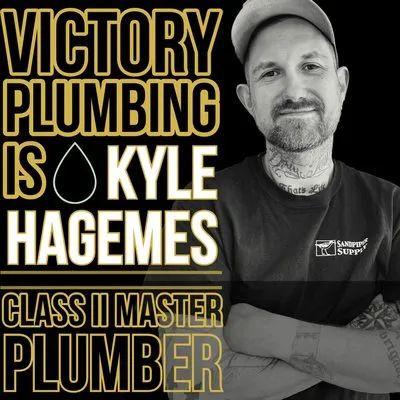
Victory Plumbing
Victory Plumbing is a family-founded, locally owned plumbing service based in Savannah, GA, built on a foundation of integrity and deep-rooted expertise. Owner Kyle Hagemes brings over two decades of ...
My Handyman of Savannah is your local, fully insured partner for home repair and maintenance in the Greater Savannah area. We prioritize your needs from the start, offering a comprehensive range of se...
Founded in 1968 by Robert "Spot" Henry Sr., Henry Plumbing Company is a fourth-generation, family-owned plumbing business deeply rooted in Savannah. Owners Todd and Tonya Reed continue the legacy star...

JB Plumbing is your trusted local plumbing expert serving Rincon, GA, and surrounding areas. We specialize in comprehensive plumbing solutions, from routine repairs to full installations, ensuring you...

Master Plumbing Co. has been a trusted family business for over 40 years, founded in Waycross, Georgia by Abbie and Archie. Today, their son, Class 2 Master Plumber George White, proudly leads the com...
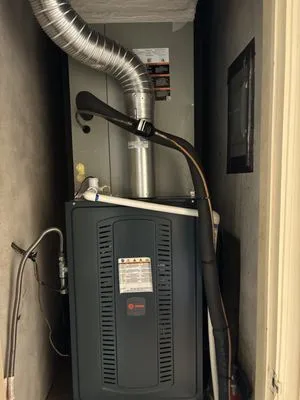
Canady's Heating Air & Plumbing
Since 1986, Canady's Heating Air & Plumbing has been a trusted name in Richmond Hill, GA, built on Quality, Integrity, and Honesty. Founded by Fred Canady with a commitment to providing an exceptional...
Holton Plumbing has been serving Savannah, GA since 1994, founded and owned by Michael Holton. As a local plumbing contractor, we specialize in water heater repair and installation, plumbing inspectio...
American Leak Detection of Savannah is a trusted local plumbing and irrigation specialist serving Savannah, GA. We provide comprehensive solutions including gas line installation and repair, irrigatio...
PlumbPro brings over 12 years of plumbing expertise directly to Pooler homes and businesses. We've built our company on a simple promise: to provide the quality, reliable service that local residents ...
John Blitch Plumbing is a trusted family-owned plumbing service in Savannah, GA, with a legacy spanning over 40 years. We are fully licensed, bonded, and insured, providing reliable solutions for both...
Estimated Plumbing Costs in Isle of Hope, GA
Common Questions
As a suburban home, what are common plumbing issues here?
Municipal water pressure is generally stable, but aging galvanized lines inside the home cannot handle modern pressure demands, leading to leaks. The most frequent suburban issue we see is tree root intrusion into the sewer lateral, especially with older clay or cast iron pipes. Roots seek the water and nutrients in the line, causing blockages that require mechanical clearing or lateral repair.
How old are the pipes in Isle of Hope homes and should I be worried?
Homes built in the Isle of Hope Historic District around 1964 now have 62-year-old galvanized steel plumbing. At this age, the interior zinc lining has completely worn away, leaving bare steel exposed to constant water flow. Homeowners are noticing a sharp drop in water pressure and persistent rust-colored water, even after flushing the lines. This is the point where systemic failure begins.
What should I do to my plumbing before hurricane season?
While freezing is a minor concern with lows around 40°F, the primary threat is the peak of hurricane season. Secure or drain outdoor hose bibs and irrigation systems to prevent backflow and contamination. Have a plan to shut off your main water valve quickly if an evacuation order is likely. Checking these items in early summer prevents emergency calls when resources are stretched thin.
How quickly can a plumber get to a house in Isle of Hope?
A dispatch from our shop heads past Isle of Hope Marina to access the Bluff Drive corridor. From there, we take I-95 north or south as the primary artery to reach any part of the island. Under normal traffic, our team is on site within 25 to 35 minutes. We plan routes with these chokepoints in mind to meet that window consistently.
Why do my galvanized pipes keep springing leaks?
Galvanized steel pipe installed in 1964 fails in a predictable pattern. Scale buildup from decades of hard water constricts the pipe's interior diameter, which increases water pressure on the weakened steel walls. This leads to pinhole leaks, typically at threaded joints or where the pipe was nicked during original installation. Full line replacements are often more cost-effective than repeated spot repairs on pipe this old.
Do I need a permit to replace my water heater or repipe my house?
Yes, Chatham County Building Safety and Regulatory Services requires permits for most major plumbing work to ensure it meets current code. As a Master Plumber licensed by the Georgia State Board of Examiners of Plumbing Contractors, I pull all necessary permits, schedule inspections, and handle the red tape so you don't have to. This protects your home's value and ensures the installation is insured and correct.
Could the land near the marina affect my home's drainage?
The coastal terrain here has a gentle slope toward the water. This natural drainage is good for the land but can put lateral stress on underground sewer main lines over decades. Settlement or shifting in the sandy soil may cause a low spot in your main line, leading to chronic slow drains or backups. A video line inspection can identify these grade issues before they become a major problem.
Does our well water from the Floridan Aquifer damage plumbing?
Water drawn from the Floridan Aquifer is rich in minerals, primarily calcium and magnesium, which create hard water. This mineral content forms scale that coats the inside of pipes and fixtures, reducing flow and efficiency. In water heaters, scale acts as an insulator, forcing the unit to work harder and shortening its lifespan. We recommend installing a whole-house water softener to mitigate this.
