Top Emergency Plumbers in Helena, GA, 31037 | Compare & Call

There are 26 plumbing companies server in Helena GA
Professional Plumbing Solutions, LLC
Professional Plumbing Solutions, LLC is a family-owned and operated business serving Dawsonville and North Georgia for over 30 years. Founded by Georgia Master Plumber Billy, the company specializes i...
Gainesville Plumbing
Gainesville Plumbing is a trusted, family-owned plumbing service that has been serving North Georgia for decades. We are committed to providing comprehensive plumbing solutions for our community, from...

When you call A-1 Best Services in Winterville, you'll speak with Megan, a dedicated team member committed to finding affordable plumbing solutions. As a family-owned business with over 35 years of co...
M & G Plumbing is a trusted, locally-owned plumbing service in Cleveland, GA, dedicated to solving the everyday plumbing challenges faced by homeowners in our community. We understand that kitchen gre...
Blue Ridge Plumbing provides expert plumbing services for homes and businesses in Cornelia, GA, and the surrounding areas. As a professional plumbing expert, I am committed to precise and reliable wor...
New Start Home Services is your trusted, local home service partner in Lakemont, GA. Founded in 2018, our team combines over two decades of hands-on experience with a deep understanding of the unique ...

Billy Bell Plumbing is a family-owned and operated Gainesville plumbing company founded in 2004 by William "Billy" Bell. With roots in the community dating back to the late 1980s, Billy's extensive lo...
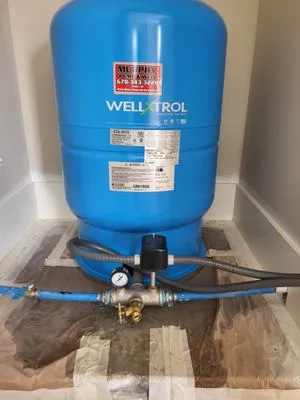
Murphy Pump Service has been a trusted name in water well and pump services for North Georgia since 1947. As a licensed and bonded company, we specialize in residential and commercial well drilling, p...
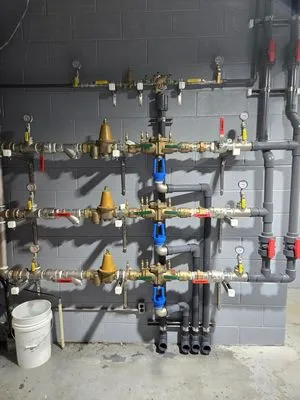
Big Country Backflows is your trusted, employee-owned plumbing partner serving Gainesville and Northeast Georgia. Specializing in cross-connection compliance, we start every job by verifying your need...

Kai Kai Problem Solving Services in Demorest, GA, is your local, versatile handyman for a wide range of repair and maintenance needs. We specialize in floor installation and repair, plumbing installat...
Estimated Plumbing Costs in Helena, GA
Q&A
Do I need a permit from Telfair County to replace my water heater or repipe my house?
Yes, most major plumbing work in Telfair County requires a permit from the Building and Zoning Department. As a Master Plumber licensed by the Georgia State Construction Industry Licensing Board, I pull those permits, schedule the required inspections, and handle all the red tape. This ensures the work meets current code, protects your home's value, and gives you a documented record for future buyers.
It gets down to 36 degrees here in winter. Do I really need to worry about my pipes freezing?
While our temperate climate means deep freezes are brief, that 36-degree low is an average; we do see hard freezes. Pipes in unheated crawl spaces or against exterior walls are vulnerable. A pro-tip is to disconnect and drain garden hoses before the first freeze, as a frozen hose bib can split the pipe inside the wall. Insulating those vulnerable lines is a cheap and effective safeguard against a costly winter emergency.
Does the hard water from the Ocmulgee River damage home plumbing?
Water from the Ocmulgee has a high mineral content, leading to significant scale buildup. Inside a water heater, this scale acts as an insulator, forcing the unit to work harder and shortening its life. On faucet cartridges and shower valves, the minerals accumulate and restrict flow, causing premature failure. Installing a whole-house water softener is the most effective defense, protecting your appliances and fixtures from the river's hard water.
How long does it take for a plumber to get to my house in Helena after I call?
From my shop near Helena City Hall, the dispatch route typically heads out on US Route 280. That gives us reliable access to most of the area. You can expect a truck on site within 45 to 60 minutes for an emergency call. We plan routes to avoid any single road being a bottleneck, which keeps response times consistent across our service area.
My galvanized pipes from the 60s are leaking at the joints. What's happening?
Galvanized steel pipes installed in 1966 have threaded joints sealed with a compound that dries out and fails over six decades. We find the threads themselves corrode, creating pinhole leaks right at the fitting. This isn't a simple washer replacement; the joint material has often calcified and weakened the surrounding pipe. Repair usually requires cutting out the entire threaded section and installing a new coupling with a dielectric union to prevent future electrolytic corrosion.
Living outside of town, what are the main plumbing differences I should know compared to a city house?
Rural homes here typically rely on a private well and a septic system, not city water and sewer. Well pumps and pressure tanks have a finite lifespan and require specific maintenance. Septic systems need regular pumping every 3-5 years, and what goes down the drain directly impacts their health. Understanding these self-contained systems is crucial, as a failure means you're without water or have a sewage backup until it's repaired.
The flat land around Helena City Hall seems to pool water after a rain. Could this hurt my sewer line?
Plain terrain can challenge drainage. If the ground around your main sewer lateral has settled, it may create a low spot or a belly that collects water and debris. This constant stress from standing water and soil shifting can crack older clay or cast iron lines. We often use a camera inspection to check for these issues, especially on properties where surface water doesn't drain away quickly from the foundation.
Our house was built around 1966 in Central Helena. What kind of plumbing issues should I expect right now?
Your galvanized steel pipes are about 60 years old, which is the end of their functional lifespan. In Central Helena, we're seeing widespread failure of these lines. Homeowners report sudden drops in water pressure, rusty water at multiple fixtures, and sections of pipe that are completely blocked with corrosion. Full replacement with modern materials like PEX or copper is often the only permanent solution at this stage.
