Top Emergency Plumbers in Greensboro, GA, 30642 | Compare & Call

There are 37 plumbing companies server in Greensboro GA
Plumber Pro Service & Drain
Plumber Pro Service & Drain is a locally-owned and operated plumbing business founded by Master Licensed plumber Sam Ivey, who brings over 15 years of specialized residential experience to every job. ...
Buckhead Plumbing & HVAC
Buckhead Plumbing & HVAC is a family-owned Atlanta business with over 30 years of service under owner Steve Malone. We specialize in personalized plumbing, HVAC, and handyman services, from routine re...
Crown Production is a trusted Augusta plumbing and handyman service built on a foundation of family craftsmanship. Owner [Name] grew up in an agricultural and building family, learning the trades of p...
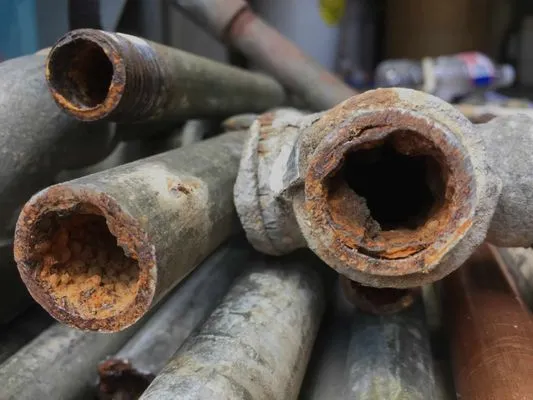
Brothers Plumbing is a family-owned plumbing service in Milledgeville, GA, with over 20 years of experience serving the local community. As third-generation plumbers, they bring decades of traditional...
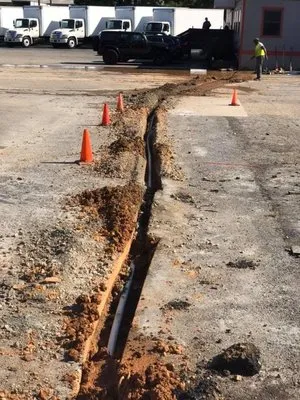
Rick's Plumbing Services has been Milledgeville's trusted plumbing partner since 1989. Founded by Rick, who moved here from Alabama as a single father with four young children, this family-owned busin...
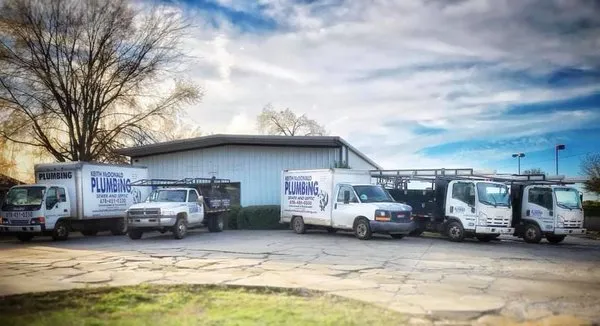
Keith McDonald Plumbing Sewer & Septic
Keith McDonald Plumbing, Sewer & Septic is a trusted, family-owned business serving Sandersville, Milledgeville, Eatonton, and surrounding counties since 2002. Founded by Master Plumber Keith McDonald...
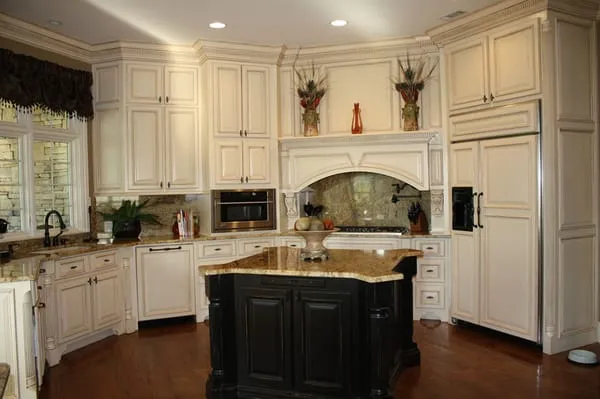
ProTech Services - Plumbing, Heating, & Air
ProTech Services is a trusted plumbing, heating, and air conditioning company serving Byron and surrounding Middle Georgia communities since 1998. Originally founded as Payless Plumbing by Gene Dudley...
Earl's Heating and Air Conditioning
Earl's Heating and Air Conditioning is a family-owned Milledgeville institution founded in 1985 by Earl Suggs. Drawing on decades of hands-on experience in commercial and residential HVAC, plumbing, a...

Jordan Air is a trusted plumbing and HVAC service provider serving Athens, GA homeowners and businesses. With expertise in everything from bathtub and drain installations to HVAC system maintenance an...
Armour Plumbing & Well Service
Armour Plumbing & Well Service has been a trusted name in Athens, GA since 1981. Founded by Gary Armour, who started as a one-person operation, the company has grown to a team of 16 full-time professi...
Estimated Plumbing Costs in Greensboro, GA
FAQs
Could the hilly land around my house be causing plumbing issues?
The sloping terrain around Lake Oconee puts constant, uneven stress on your main sewer line. Over decades, this can cause the pipe to sag or develop bellys where waste collects and causes blockages. For drainage, water always runs to the low point, which can overload yard drains or saturate the soil near your foundation. Proper grading and periodic sewer line camera inspections are critical on these lots.
Why are my 1980s copper pipes suddenly failing with tiny leaks?
Copper piping from 1982 is failing due to pinhole leaks caused by decades of micro-corrosion. Water chemistry, especially our hard water, slowly eats away at the interior wall. You often find these leaks at soldered joints or in horizontal runs where sediment settles. The pipe looks intact from the outside, but the interior is compromised. It's a widespread issue for homes of this vintage across our area.
Are there special plumbing concerns for a rural Greene County home?
Rural properties here typically rely on a private well and septic system. Well pumps and pressure tanks need regular servicing, as sediment can wear them out. For septic systems, the hilly terrain requires careful placement of the drain field to function properly. You don't have municipal oversight, so maintenance falls entirely to the homeowner to prevent well contamination or septic failure.
What's the most important spring plumbing task for Greensboro homes?
Before the spring thaw hits its peak, disconnect and drain all outdoor hoses. A forgotten hose traps water in the bib, and when overnight lows still dip near 33, that water freezes and splits the pipe inside your wall. It's a simple, five-minute task that prevents the most common and costly freeze-related flood we see each year in our temperate climate.
Does Lake Oconee's hard water damage my home's plumbing?
Yes, the mineral content from the lake basin leads to severe scale buildup. Inside your water heater, this scale acts as an insulator, forcing the unit to work harder and fail prematurely. On faucets and showerheads, it restricts flow and degrades seals. Installing a whole-house water softener is the most effective defense, protecting appliances and extending the life of your pipes.
How quickly can a plumber get to my house in Greene County?
My typical dispatch route starts near Lake Oconee, heading past it to catch I-20 westbound into Greensboro. That corridor usually puts me at your door in 45 to 60 minutes. I plan routes around known traffic patterns, and a call about a burst pipe gets prioritized immediately. For regular service calls in the Historic District, we schedule tighter windows to respect your time.
Who handles permits for a water heater replacement in Greene County?
The Greene County Building and Zoning Department issues the permit, and I handle that filing as part of the job. As a Master Plumber licensed by the Georgia State Board of Examiners of Plumbing Contractors, my work must meet strict state code. This process ensures your installation is safe, documented, and up to standard. You get the final inspection certificate without dealing with the red tape.
Our home was built in the early 80s. What plumbing problems should we expect in Greensboro's Historic District?
Your copper pipes are now 44 years old. Homeowners in the Historic District are seeing the first wave of systemic pinhole leaks, especially in hot water lines where heat accelerates corrosion. This isn't random failure; it's a predictable life-cycle event for mid-80s copper. You'll notice small, persistent drips inside walls or a sudden drop in water pressure. Proactive repiping of key sections now can prevent catastrophic leaks later.
