Top Emergency Plumbers in Dawsonville, GA, 30534 | Compare & Call

There are 162 plumbing companies server in Dawsonville GA
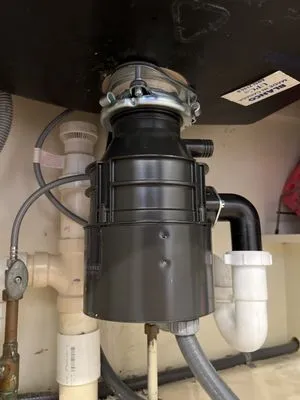
A-1 Rooter Plumbing and Septic
For nearly three decades, A-1 Rooter Plumbing and Septic has been a trusted, family-owned provider for Hoschton and the surrounding communities. Our focus is on building lasting relationships through ...
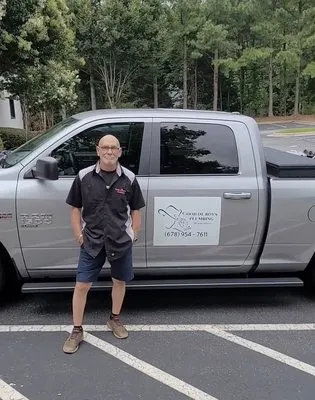
Good Ol'Boys Plumbing
Good Ol'Boys Plumbing is a trusted, licensed plumbing company that has been serving North Georgia for over 25 years. Founded on principles of fairness and quality workmanship, we bring over 75 years o...

Bobby Amos Plumbing in Cumming, GA is a locally owned and operated plumbing service founded by Master Plumber Bobby Amos, who grew up in a family of plumbers and has dedicated his career to the trade....
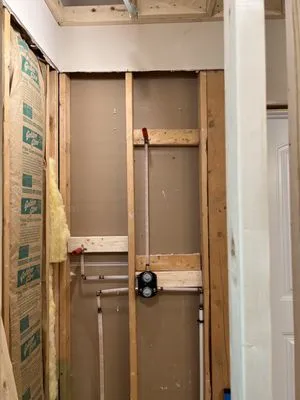
Professional Plumbing Solutions, LLC
Professional Plumbing Solutions, LLC is a family-owned and operated business serving Dawsonville and North Georgia for over 30 years. Founded by Georgia Master Plumber Billy, the company specializes i...
Servicewise Electric & Plumbing
Servicewise Electric & Plumbing is a locally owned and operated company serving Holly Springs and the greater Atlanta area. Founded by Mike Grayeski, a master electrician with over 25 years of hands-o...
Plumber Pro Service & Drain
Plumber Pro Service & Drain is a locally-owned and operated plumbing business founded by Master Licensed plumber Sam Ivey, who brings over 15 years of specialized residential experience to every job. ...
H & M Services is a trusted, family-operated business serving Cumming and surrounding communities for over two decades. Founded by master plumber Harry Ridley, the company grew from a vision to addres...
Gainesville Plumbing
Gainesville Plumbing is a trusted, family-owned plumbing service that has been serving North Georgia for decades. We are committed to providing comprehensive plumbing solutions for our community, from...
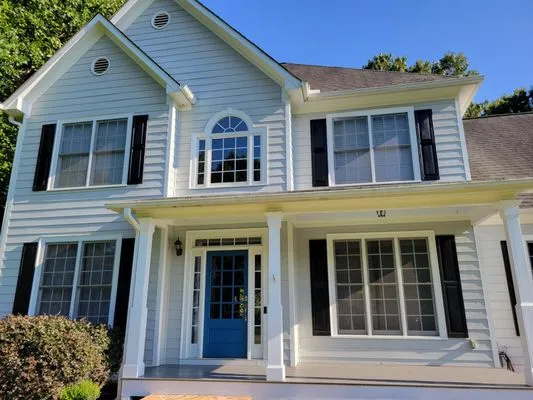
Trimelogic USA is a licensed general contractor serving Buford and Gwinnett County with over 26 years of dedicated experience. We specialize in comprehensive home transformations, from detailed kitche...
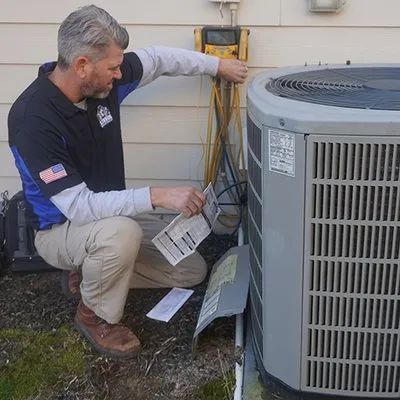
Kennon Heating & Air Conditioning
Kennon Heating & Air Conditioning is a Cumming-based, family-run company founded by Clint Kennon, who brought over 20 years of industry experience to North Georgia in 2011. Driven by a belief that car...
Estimated Plumbing Costs in Dawsonville, GA
Frequently Asked Questions
Could the hilly land around my home be causing my slow drains?
Yes, hilly terrain directly impacts drainage. The slope can put undue stress on the main sewer line, causing sagging or bellies where waste collects. Soil shifting on these grades can also stress pipe joints. Around areas like the Georgia Racing Hall of Fame, we often find that the lateral line from the house to the main sewer has settled improperly over time, requiring a camera inspection to diagnose the low spot causing recurrent clogs.
Why does my water heater fail so often, and could our hard water be the reason?
Hard water from our aquifer is a primary reason for premature water heater failure. Minerals like calcium and magnesium form scale buildup inside the tank, acting as an insulator. This forces the heating element to work harder, increasing energy bills and eventually burning out. The sediment also corrodes the anode rod faster, leaving the tank lining unprotected. Flushing the tank annually and inspecting the anode rod can extend its life significantly.
What causes sudden pinhole leaks in copper pipes, and is it preventable?
For copper installed around 2007, pinhole leaks are often due to a combination of factors. The primary cause is acidic or aggressive water from the Etowah River watershed, which slowly corrodes the pipe wall from the inside. Over 19 years, this creates weak spots. While a whole-house water neutralizer can slow the process, once pitting begins, the affected sections must be replaced. We often use dielectric unions when connecting to newer fixtures to prevent galvanic corrosion.
How long does it take for a plumber to get to my house in Dawsonville for an emergency?
Our dispatch route is direct. Heading past the Georgia Racing Hall of Fame on GA-400 gives us a central corridor to reach most neighborhoods. A typical response from our shop is 45 to 60 minutes, accounting for local traffic on the hilly roads. We prioritize emergencies and communicate our ETA so you know when to expect us.
Do I need a permit to replace my own water heater in Dawson County?
Yes, Dawson County Planning and Development requires a permit for water heater replacement, as it involves gas, water, and pressure safety. As a Master Plumber licensed by the Georgia State Construction Industry Licensing Board, I handle pulling the permit, scheduling the inspection, and ensuring the installation meets all current code requirements for venting and earthquake straps. This manages the red tape for you and guarantees the work is documented and insurable.
What's the most important plumbing task to do before spring in Dawsonville?
Before the spring thaw, disconnect and drain your garden hoses. A hose bib that freezes and bursts is one of the most common calls we get after a cold snap. Even with our temperate climate, overnight lows can hit 28°F, and water trapped in the hose or the faucet's interior valve can freeze and crack the brass fitting. This simple step protects an otherwise vulnerable part of your home's exterior plumbing.
My house was built around 2007, and I'm starting to see blue-green stains in my sinks. Is this normal for copper pipes?
Copper plumbing from 2007 is now 19 years old, which is the typical lifespan for the thin-wall Type M copper used in many homes built during that boom period. In Downtown Dawsonville, we're seeing this exact failure pattern. The blue-green stains are from pinhole leaks caused by internal corrosion from the water's chemistry. It starts as a stain, then becomes a drip, and often requires section replacement before it causes wall damage.
As a rural homeowner with a well and septic, what maintenance is critical?
Your private well and septic system require specific attention. For the well, have the pump and pressure tank checked every few years, as hard water leads to scale buildup on pump components. For the septic system, pump the tank every 3-5 years without fail. The hilly terrain means drain fields must be properly graded; overloading the system with water or chemicals can cause a backup, which is far more costly to repair than routine maintenance.
