Top Emergency Plumbers in Comer, GA, 30629 | Compare & Call

There are 36 plumbing companies server in Comer GA
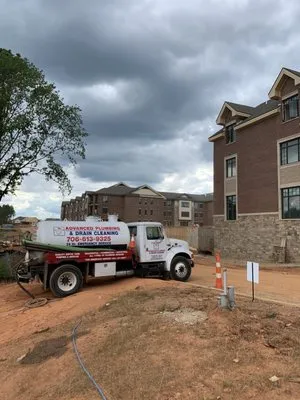
For over 25 years, Advanced Plumbing & Drain Cleaning has been a trusted, locally-owned resource for Athens homeowners. Our foundation is built on genuine, qualified employees who are more than just s...
Punky's Handyman Services is a family-run business based in Hull, GA, dedicated to providing reliable and affordable home maintenance. With over 15 years of experience as a maintenance professional, I...
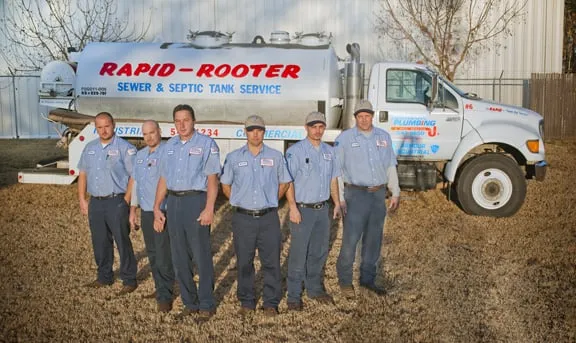
Armour Plumbing & Well Service
Armour Plumbing & Well Service has been a trusted name in Athens, GA since 1981. Founded by Gary Armour, who started as a one-person operation, the company has grown to a team of 16 full-time professi...

Empire Plumbing has been a trusted plumbing resource for Athens, GA, residents and businesses for over a decade. Our team of Master Plumbers is fully licensed, bonded, and insured, ensuring every job ...
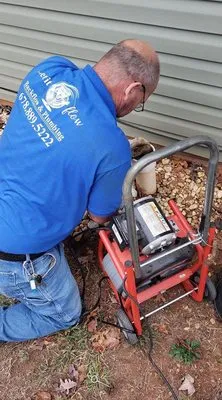
Let it Flow Backflow & Plumbing
Let it Flow Backflow & Plumbing, LLC, is your trusted, licensed plumbing service in Commerce, GA. With over 25 years of combined experience, our team provides reliable solutions for backflow preventio...
Jefferson Plumbing is your trusted local plumber in Jefferson, GA, dedicated to solving household plumbing problems with reliable, professional service. Founded in 2012, we bring over a decade of expe...
Athens Professional Septic & Drain Service has been a trusted provider in Colbert, GA, and northeast Georgia for over 19 years, specializing in residential septic and plumbing solutions. As a fully li...

JP Plumbing is a trusted, local plumbing service dedicated to serving the Athens, GA community. We specialize in a wide range of residential repairs, including bathtub, drain, faucet, shower, sink, an...
Roto-Rooter Plumbing & Water Cleanup
Roto-Rooter Plumbing & Water Cleanup in Athens, GA, provides reliable plumbing and water damage services for local homes and businesses. Founded in 1935 by Samuel Blanc, who invented a machine to clea...
J L Adams Plumbing & Electric
J L Adams Plumbing & Electric is a family-owned and operated business serving Dewy Rose, GA, and surrounding areas since 1990. Our licensed and professionally trained team provides comprehensive plumb...
Estimated Plumbing Costs in Comer, GA
FAQs
Could the hilly land around Comer City Hall cause plumbing issues?
The hilly terrain puts constant, uneven stress on underground main supply lines and sewer laterals. Soil shifting on a slope can cause pipes to settle or develop low spots that collect debris. For drainage, it means surface water runs toward foundations, so ensuring your gutters and downspouts direct water away from the house is critical to avoid basement or crawl space flooding.
Why do my copper pipes keep springing pinhole leaks?
For 1992-era copper, pinhole leaks are often caused by a combination of age and the mineral content in our water. Over 34 years, the protective interior oxide layer can break down, allowing accelerated corrosion in spots. This is particularly common at joints where flux residue might have been left during installation. The leaks aren't random; they're a sign the pipe's service life is concluding due to wall thinning.
How long does it take for a plumber to get to Comer from Athens?
From our shop, a typical dispatch route to Comer heads past Comer City Hall on US-29. The drive is 45 to 60 minutes depending on traffic and your specific location off the main road. We factor that travel time into our scheduling, so you get an accurate window. It's a straightforward run, but we always call ahead when we're about 10 minutes out.
Does Madison County's hard water damage my plumbing fixtures?
Yes, the hard water from the Madison County Water Department leads to significant scale buildup. Inside water heaters, that scale acts as an insulator, forcing the unit to work harder and fail prematurely. On faucets and showerheads, it clogs aerators and reduces flow. Installing a whole-house water softener is the most effective defense to protect your appliances and maintain pressure.
Who handles permits for a water heater replacement in Madison County?
Madison County Planning and Development requires permits for water heater replacements. As a Master Plumber licensed by the Georgia State Construction Industry Licensing Board, I pull those permits and schedule the required inspections as part of the job. Handling that red tape ensures the work is documented and up to code, which is essential for your home's records and insurance.
Are there special plumbing concerns for a rural home in Comer?
Rural properties often combine a private well and a septic system, which operate as a closed loop. Well pump pressure needs to be correctly calibrated, and the septic tank and drain field require regular inspection to avoid backups. Unlike a city system, you're responsible for the entire infrastructure from the well cap to the end of the drain field, so proactive maintenance is non-negotiable.
What's the one plumbing tip for Comer homeowners before spring?
Before the spring thaw, disconnect and drain your garden hoses. A hose bib that freezes and bursts because a hose was left attached is the most common call we get after a cold snap. Even with our temperate climate and lows around 31°F, that single night of a hard freeze can cause expensive water damage. It's a simple, two-minute task that prevents the majority of seasonal emergencies.
How old are the pipes in Comer homes, and what problems should I expect?
Copper pipes installed around 1992 are now 34 years old. In Downtown Comer, that age means we're seeing consistent pinhole leaks, especially at soldered joints that have been stressed by decades of water pressure and thermal expansion. The pipe walls are thinning, and while copper is durable, this is the lifespan where systemic failures begin. Homeowners often notice a sudden increase in small, persistent leaks that require more than just a quick patch.
