Top Emergency Plumbers in West Miami, FL, 33144 | Compare & Call

There are 239 plumbing companies server in West Miami FL

Hernandez Plumbing is a third-generation, family-owned and operated business serving Doral since 1972. With a master plumber who has over 30 years of experience, we are one of South Florida's original...
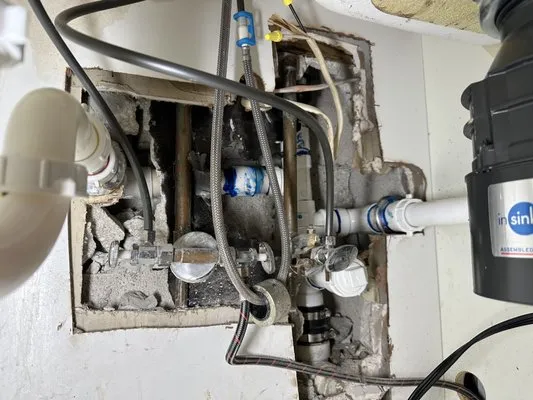
Main Plumbing Services
Main Plumbing Services is a family-owned and operated, state-certified plumbing company serving Miami-Dade County. Founded by Daniel Ayala, who personally oversees every project, the company is built ...
Diamond Plumbing
Diamond Plumbing is a second-generation, family-owned business serving the Miami community with reliable plumbing services for over 25 years. Founded by a father-son duo, we combine decades of hands-o...
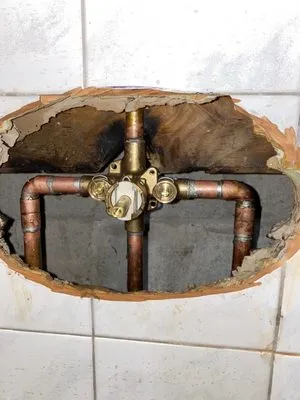
1 Time Plumbing of Miami is a family-operated plumbing company serving Miami and South Florida with reliable plumbing services and repairs. Our experienced, knowledgeable, and professional team is com...

Hi, I'm Kevin Garcia. My role is to ensure our team at Express Trenchless Sewer Line Repairs consistently delivers reliable, high-quality plumbing services on time and done right. From managing emerge...

Mohr Corp Plumbing has been serving Miami homeowners and businesses since 2009 with reliable plumbing solutions. Founded by licensed plumbing contractor Juan Mohr, this family-operated business brings...

Cutler Bay Plumbing And Pipe Lining
Cutler Bay Plumbing And Pipe Lining is a family-owned and operated plumbing service based in Cutler Bay, FL, with over 20 years of industry experience. Licensed, insured, and committed to state standa...
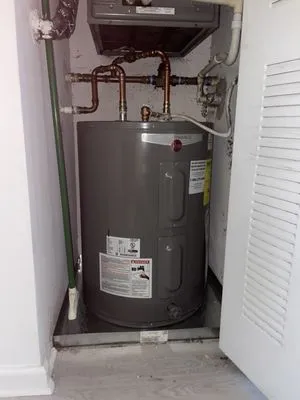
Coastal Plumbing of Brickell
Coastal Plumbing of Brickell is a family-owned, fully licensed plumbing service (CFC:1430262) serving Miami with a commitment to precision and efficiency. We provide a complete range of residential pl...
Acosta Plumbing Service has been a trusted plumbing provider in Miami for over 30 years, built on principles of integrity, reliability, and quality workmanship. We take pride in guiding customers thro...
Since 1982, General Plumbing has been the trusted, family-owned plumbing solution for Miami-Dade. Founded by Jim and Monica Kleb at the corner of Sunset Drive and SW 117 Ave, we've grown from a small ...
Estimated Plumbing Costs in West Miami, FL
Frequently Asked Questions
What permits and regulations apply to plumbing work in West Miami?
The City of West Miami Building Department requires permits for most plumbing replacements and repairs. As a Florida Construction Industry Licensing Board certified master plumber, I handle the red tape so you don't have to. This includes submitting plans, scheduling inspections, and ensuring all work meets current Florida building codes. Proper documentation protects your home's value and ensures repairs won't cause issues during future property transactions.
Does West Miami's hard water damage water heaters and fixtures?
Water from the Biscayne Aquifer contains high mineral content that forms scale buildup inside pipes and appliances. In water heaters, this sediment accumulates at the bottom, reducing efficiency by 30-40% and causing premature failure. Fixtures develop restricted flow as minerals clog aerators and valve seats. Installing a whole-house water softener protects your plumbing investment from these accelerated wear patterns.
How quickly can a plumber reach my West Miami home in an emergency?
Heading past Biltmore Hotel on SR 959 gets me into the residential neighborhoods within minutes. From that starting point, most West Miami addresses are 20-30 minutes away depending on traffic patterns. I keep trucks stocked with common repair parts for galvanized systems so we can address emergencies without return trips for materials.
Could West Miami's low elevation be causing my drainage problems?
Low-lying terrain around the Biltmore Hotel area creates drainage challenges for entire neighborhoods. Flat topography means stormwater moves slowly, putting constant hydrostatic pressure on main sewer lines during heavy rains. This pressure tests pipe joints that may already be compromised by age. Proper grading around your foundation and functioning cleanouts become essential to prevent backups during South Florida's rainy season.
As a suburban homeowner, what unique plumbing issues should I watch for?
Suburban West Miami homes connect to municipal water systems that maintain consistent pressure, which is good for daily use but stresses aging galvanized pipes. Tree roots seek out moisture in lateral lines, causing blockages that require professional clearing. Unlike rural properties with wells and septic systems, you'll deal with city meter connections and shared main lines that need occasional service line replacements as infrastructure ages.
Why do my old pipes keep springing small leaks in multiple spots?
Galvanized steel pipes from the 1950s develop pinhole leaks when internal corrosion eats through the pipe wall. These often appear in clusters because the entire system has aged uniformly. Joint calcification is another issue - mineral deposits from decades of hard water build up at connections until they crack the fittings. Both problems indicate the pipe material has reached its service limit.
My West Miami home was built around 1958 - should I be worried about the plumbing?
Galvanized steel pipes installed in 1958 are now 68 years old. In the West Miami Residential District, homeowners are seeing widespread rust buildup inside these pipes, which restricts water flow to a trickle at some fixtures. The steel has likely corroded to half its original thickness in many sections. Complete pipe failure often happens between 60-80 years, so you're in the critical window where replacements become necessary rather than optional.
What should I do to prepare my plumbing for hurricane season in South Florida?
Tropical climates with 60-degree winter lows still require specific preparations. Before hurricane season peaks, shut off your main water valve if evacuating to prevent contaminated flood water from entering your home's plumbing. Clear exterior drains of debris to handle heavy rainfall. Insulate exposed pipes against unexpected cold snaps that sometimes follow storms. These steps prevent most weather-related plumbing emergencies.
