Top Emergency Plumbers in Tamiami, FL, 33175 | Compare & Call

There are 239 plumbing companies server in Tamiami FL

Hernandez Plumbing is a third-generation, family-owned and operated business serving Doral since 1972. With a master plumber who has over 30 years of experience, we are one of South Florida's original...
Main Plumbing Services
Main Plumbing Services is a family-owned and operated, state-certified plumbing company serving Miami-Dade County. Founded by Daniel Ayala, who personally oversees every project, the company is built ...
Diamond Plumbing
Diamond Plumbing is a second-generation, family-owned business serving the Miami community with reliable plumbing services for over 25 years. Founded by a father-son duo, we combine decades of hands-o...
Miami 305 Plumbing is a state-licensed and insured plumbing company serving Miami, FL, with over 20 years of combined experience. We provide a comprehensive range of services, including emergency plum...
1 Time Plumbing of Miami is a family-operated plumbing company serving Miami and South Florida with reliable plumbing services and repairs. Our experienced, knowledgeable, and professional team is com...

Hi, I'm Kevin Garcia. My role is to ensure our team at Express Trenchless Sewer Line Repairs consistently delivers reliable, high-quality plumbing services on time and done right. From managing emerge...

Mohr Corp Plumbing has been serving Miami homeowners and businesses since 2009 with reliable plumbing solutions. Founded by licensed plumbing contractor Juan Mohr, this family-operated business brings...

Cutler Bay Plumbing And Pipe Lining
Cutler Bay Plumbing And Pipe Lining is a family-owned and operated plumbing service based in Cutler Bay, FL, with over 20 years of industry experience. Licensed, insured, and committed to state standa...
Coastal Plumbing of Brickell
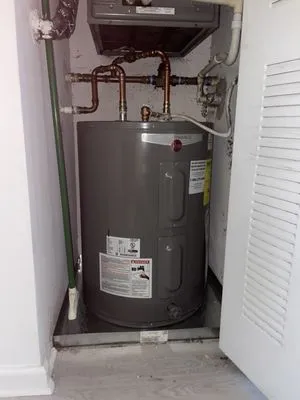
Coastal Plumbing of Brickell is a family-owned, fully licensed plumbing service (CFC:1430262) serving Miami with a commitment to precision and efficiency. We provide a complete range of residential pl...
Acosta Plumbing Service has been a trusted plumbing provider in Miami for over 30 years, built on principles of integrity, reliability, and quality workmanship. We take pride in guiding customers thro...
Estimated Plumbing Costs in Tamiami, FL
Q&A
As a suburban homeowner, what are the most common plumbing issues I should watch for?
In a suburban setting like Tamiami, the lateral sewer line from your house to the municipal main is a frequent trouble spot. Tree roots seek out the moisture and nutrients in the pipe joints. Over years, they can infiltrate and cause complete blockages. Municipal water pressure here is generally stable, but a sudden, persistent drop in pressure can indicate a breach in your main supply line.
Why am I getting pinhole leaks in my copper pipes all of a sudden?
For 1985-era copper, pinhole leaks are a classic failure point. Decades of water moving through the pipes, combined with our hard water, cause a specific type of internal erosion called Type 1 pitting. It creates tiny, weak spots that eventually perforate. The leaks often appear first on horizontal hot water lines, especially near fixtures that see frequent use.
What's your typical response time for a plumbing emergency in the Tamiami area?
From my central dispatch point, heading past Florida International University onto Florida's Turnpike puts me in most of Tamiami within 30 to 45 minutes, even with traffic. I prioritize emergencies and route directly, so you'll get a clear ETA when you call. This corridor access is key to serving the community reliably.
Does Tamiami's hard water damage plumbing fixtures and appliances?
Yes, the water from the Biscayne Aquifer is hard, meaning it carries dissolved minerals like calcium and magnesium. As water heats in your tank or sits in fixtures, these minerals solidify into scale. This scale buildup insulates heating elements, forcing your water heater to work harder, and it restricts flow in aerators and showerheads, reducing pressure over time.
Could the flat, low-lying land in Tamiami cause drainage or sewer problems?
Our low elevation and dense soil, similar to areas around Florida International University, challenge drainage. For plumbing, this often means a shallow slope on the main sewer line from your house to the street. That minimal grade can lead to slow drainage and make the line more susceptible to blockages from roots or debris, requiring more frequent cleaning.
Do I need a permit to replace my water heater in Miami-Dade County?
Yes, Miami-Dade County requires a permit for water heater replacement. As a state-certified master plumber through the Florida Construction Industry Licensing Board, I pull all necessary permits, schedule the county inspection, and ensure the installation meets current code for seismic straps and pan drainage. Handling this red tape is a standard part of the job for you.
How long do copper pipes last in a Tamiami house built in the 1980s?
Copper plumbing installed around 1985 is now over 40 years old. In Tamiami Estates, that age means you're in the window for two common issues: pinhole leaks from internal corrosion and joint failures where solder has weakened. This isn't a universal failure, but it's the stage where proactive inspections can prevent a major water damage event from a sudden rupture behind a wall.
What should I do to my plumbing before hurricane season in South Florida?
The most critical pre-season step is to know where your main water shut-off valve is and ensure it operates freely. Before a storm, turn off the main valve and drain your irrigation system to protect the backflow preventer. Also, consider installing hurricane straps on your water heater if it's in the garage; a 60-gallon tank tipping over can cause catastrophic flooding.
