Top Emergency Plumbers in South Apopka, FL, 32703 | Compare & Call

There are 239 plumbing companies server in South Apopka FL
Emerald Plumbing
Emerald Plumbing is a trusted Orlando plumbing company founded in 1996 by Liam Cuddy, who brings decades of international experience from Ireland, Australia, and Europe. With a family-like approach to...
TBPM Plumbing Contractors, a Tampa-based family business founded in 1987 by Byron Godwin, has been a foundational partner in Florida's multifamily construction for over three decades. With deep roots ...
Drain Doctor Plumbing and Drain
Drain Doctor Plumbing and Drain has been a trusted name in Central Florida since 2003, founded on principles of transparency and expertise. Owner [Name] began his career in 1987, quickly becoming a to...
A&M Electric Services is a family-owned business serving Wesley Chapel, FL, founded by Alexandria and Miguel. With over a decade of experience in commercial, residential, and service electrical work, ...

Founded on a legacy of integrity and family expertise, Lapin Services is a cornerstone of Orlando's plumbing and septic industry. With over 65 years of service, owner Dennis Lapin continues the tradit...
Drain Tactics is a licensed plumbing service in Orlando, FL, dedicated to providing honest, personalized solutions for residential plumbing needs. We believe in treating every customer with the same c...
Drain Genie Plumbing Services
Drain Genie Plumbing Services has been a trusted provider in Orlando and throughout Florida since 2008, building a reputation for reliable service with a team of skilled, licensed plumbers. We handle ...
Harvey Baker Plumbing
Harvey Baker Plumbing is a family-owned and operated business deeply rooted in Orlando's Conway neighborhood. Founded by Harvey and Marcia Baker, high school sweethearts from Boone High School, the co...
Modern Plumbing Industries
Modern Plumbing Industries has been serving the Winter Springs community and greater Central Florida since 1975. As a family-owned and operated business, we operate on a core philosophy we call 'The M...
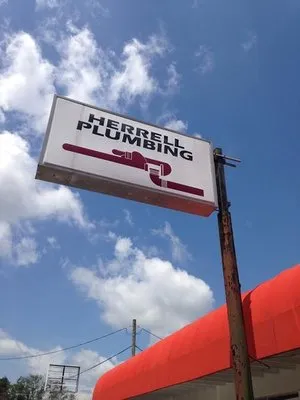
Herrell Plumbing
Herrell Plumbing has been Orlando's trusted plumbing partner since 1970, providing reliable service across Central Florida. Our state-certified plumbers handle everything from routine repairs to emerg...
Estimated Plumbing Costs in South Apopka, FL
Frequently Asked Questions
Does hard water from our aquifer ruin water heaters?
Yes, the mineral-rich water from the Floridan Aquifer accelerates scale buildup. Inside your water heater, this calcium carbonate acts like insulation on the heating elements or gas burner, forcing the unit to work harder and fail sooner. You'll see reduced hot water volume and higher energy bills. An annual flush of the tank's sediment and anode rod inspection can extend its life significantly against this hard water.
Why do my copper pipes keep springing pinhole leaks?
Copper pipe installed around 1986 is susceptible to a form of corrosion called Type 1 pitting. Our local water chemistry, combined with the pipe's age, creates highly localized spots where the copper degrades from the inside out until it perforates. It's not a matter of if, but when, on pipes of this vintage. Re-piping the affected sections is often the only permanent fix, as patching one pinhole usually leads to another nearby.
Do I need a permit to replace a water heater in Orange County?
Yes, Orange County Building Division requires a permit for water heater replacement. As a state-licensed plumbing contractor under the Florida Construction Industry Licensing Board, I pull that permit, schedule the inspection, and ensure the installation meets all current code for seismic straps and pan drainage. Handling that red tape is part of the job, so you have a compliant system without the administrative hassle.
My home was built in the 80s in South Apopka. Should I be worried about my plumbing?
Your copper pipes are now about 40 years old. In South Apopka, that is the lifespan where we see a sharp increase in pinhole leaks and joint failures. The copper has been interacting with our acidic, sandy soil for decades, and the wall thickness is at a point where it can no longer resist corrosion. You may notice small green stains on pipe fittings or a sudden drop in water pressure, which are clear signs this aging process is active in your home.
As a suburban homeowner here, what's my biggest plumbing risk?
Your primary concern is the lateral sewer line from your house to the street. Older clay or cast iron lines are common and are frequent targets for invasive tree roots seeking water in the sandy soil. A complete root blockage or a collapsed section can cause a major backup. Modern PVC replacements and routine root cutting are the standard solutions for maintaining clear flow in this critical, buried section of your system.
Could the flat land near Wekiwa Springs cause plumbing problems?
The low-lying, flat terrain common here affects drainage. During heavy summer rains, saturated soil can shift and put lateral stress on your main sewer line, potentially causing a belly or a break. It also means stormwater doesn't run off quickly, which can flood yard boxes or expose pipe connections. We often find that main line cleanouts in these areas need to be checked more frequently for root intrusion and proper flow.
How fast can a plumber get to my house in South Apopka?
From my shop, the route takes me past Wekiwa Springs State Park and straight down US-441 into the community. That drive typically runs 30 to 45 minutes depending on traffic lights and your exact location off the main corridor. I plan for that window so you have a reliable arrival time, and I call when I'm about 10 minutes out to confirm.
What should I do to my plumbing before hurricane season?
Before the peak season, secure any outdoor hose bibs and drain your irrigation backflow preventer if you have one. The most practical tip is to know where your main water shut-off valve is and ensure it turns freely. If a storm is forecast, fill your bathtubs with water for sanitation use, as power loss can disable well pumps. After any major storm, run your cold taps for a few minutes to clear any sediment that may have entered the municipal lines.
