Top Emergency Plumbers in Richmond West, FL, 33177 | Compare & Call

There are 97 plumbing companies server in Richmond West FL
Diamond Plumbing
Diamond Plumbing is a second-generation, family-owned business serving the Miami community with reliable plumbing services for over 25 years. Founded by a father-son duo, we combine decades of hands-o...
National Service Pros
Founded in 2007 by Carlos Socarras, National Service Pros grew from a simple idea into a trusted Miami HVAC and plumbing company. Carlos, known for being the 'go-to' person for repairs from a young ag...
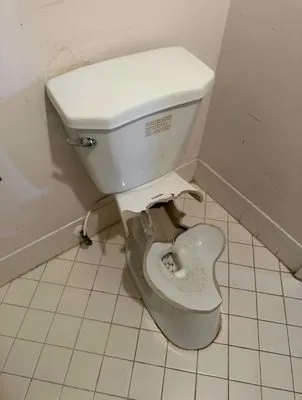
Vleyz Plumbing Services is a customer-focused plumbing company based in Miami, FL, dedicated to providing reliable solutions for homeowners and businesses throughout the area. With a team of highly tr...

Express Sewer Solutions
Express Sewer Solutions is a Miami-based plumbing service founded by a certified state plumbing contractor with over 15 years of industry experience. After working for a competitor, the owner started ...
Plumbing Diagnostics
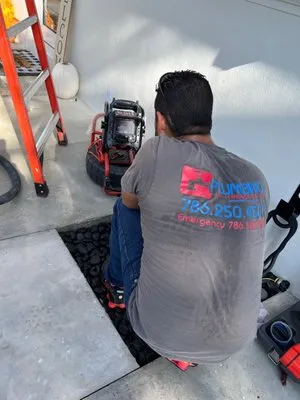
Plumbing Diagnostics is a licensed and insured plumbing service based in Miami, FL, with over 27 years of experience serving the local community. We specialize in a comprehensive range of residential ...
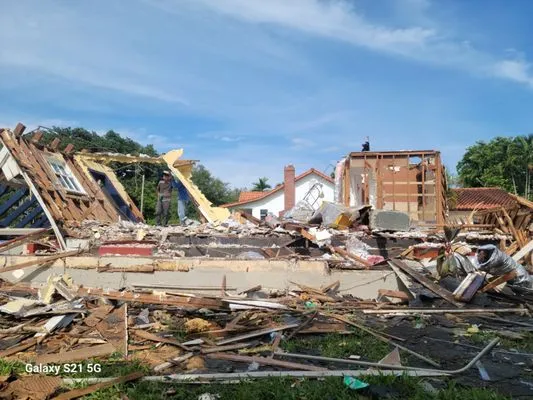
López López Construcción
López López Construcción, based in Miami, has over a decade of experience helping local families build and rebuild their dream homes. We are a fully licensed and insured professional construction firm...
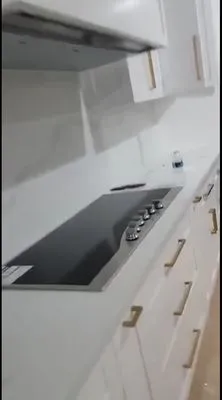
I'm Julian, a Miami handyman with a unique story. For many years, I worked as a jeweler, but my true passion was always in construction. I made the switch, starting from the ground up as a carpenter i...
Fix-A-Leak Plumbing is your trusted local plumbing service in Homestead, FL, dedicated to keeping your home's water systems running reliably. We handle everything from routine faucet repairs and drain...
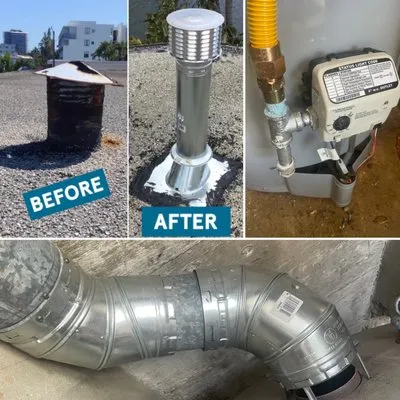
All Dade Plumbing is a trusted, licensed plumbing company serving Miami-Dade County. We specialize in resolving the everyday plumbing issues that South Florida homeowners face, from stubborn drain clo...
Royal Flush Plumbing & Supply is a trusted, full-service plumbing company serving Miami and surrounding areas. We offer comprehensive solutions for both residential and commercial properties, from eme...
Estimated Plumbing Costs in Richmond West, FL
Question Answers
How long does it take for a plumber to get to my house in Richmond West?
From our dispatch near Zoo Miami, the route heads north on Florida Turnpike, providing a direct shot into the neighborhood. Barring major traffic, we aim for a 45 to 60 minute arrival. This allows for gathering the specific parts we know these homes need, like dielectric unions or sections of copper, before we even head out your way.
As a suburban homeowner, what unique plumbing issues should I watch for?
In a mature suburban setting like this, the main concern is the lateral sewer line from your house to the street. Decades of growth from oak and ficus trees mean roots are constantly probing for water and can infiltrate pipe joints. Municipal water pressure here is generally stable, but that pressure can also turn a small pinhole leak in your 30-year-old copper into a major issue very quickly.
Why am I suddenly getting so many plumbing leaks in my Richmond Heights home?
Your copper plumbing is now 30 years old. Around this age, the protective interior mineral layer that formed when the pipes were new begins to break down, especially in our hard water. Homeowners are seeing a sharp increase in pinhole leaks, often first appearing as green corrosion spots on pipe elbows or at joints. This is the typical failure window for copper installed in the mid-90s, and it's a systemic issue, not isolated to a single fixture.
What's the most common plumbing repair needed for a house built around 1996?
The most frequent failure is pinhole leaks in the copper supply lines. After three decades, the constant flow of hard, mineral-rich water erodes the pipe wall from the inside out, creating tiny perforations. You'll often find these leaks first in horizontal runs or at solder joints where turbulence is highest. Repairs typically involve cutting out the compromised section and soldering in a new piece of Type M copper.
Do I need a permit to replace my water heater, and how does that work?
Yes, Miami-Dade County requires a permit and inspection for water heater replacement. As a state-licensed master plumber with the Florida Construction Industry Licensing Board, I pull that permit directly through the County Permitting and Inspection Center. My crew handles the entire process, scheduling the inspection and ensuring the installation meets all current code, so you don't have to manage the red tape.
Does our well water from the Floridan Aquifer damage my appliances?
Yes, the high mineral content causes significant scale buildup. Inside your water heater, this sediment acts as an insulator, forcing the unit to work harder and fail sooner. You'll also notice reduced flow and premature wear on faucet cartridges and shower valves. Installing a whole-house water softener is the most effective defense to protect your hardware from this abrasive scale.
What should I do to prepare my plumbing for hurricane season here?
Before the peak season, have your main sewer line inspected with a camera. Tropical downpours saturate the low-lying ground, and tree roots seek out that moisture, often invading older pipes. A pre-storm inspection can identify a potential blockage waiting to happen. It's also wise to know the location of your main water shutoff valve in case you need to isolate the house quickly.
Could the flat land around here be causing my slow drains?
Low-lying terrain like ours around Zoo Miami can complicate drainage. If the slope or grade of your home's main sewer lateral is too shallow, it lacks the necessary gravity to push waste effectively, leading to chronic slow drains and sediment buildup. During heavy rains, saturated soil can also put external pressure on the pipe, exacerbating any existing cracks or root intrusions.
