Top Emergency Plumbers in Progress Village, FL, 33578 | Compare & Call

There are 235 plumbing companies server in Progress Village FL
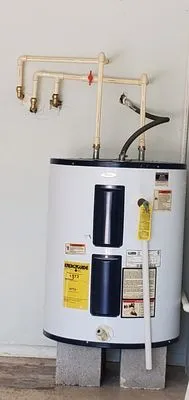
The GOAT Plumbing Company isn't just a new name in Riverview—it's built on nearly two decades of hands-on plumbing experience. Owner and founder started in a service van right after high school, learn...
Flow Pros Plumbing
I'm Jared, the owner of Flow Pros Plumbing in St. Petersburg. Founded in 2020, I started this company to provide plumbing service that truly prioritizes customer care, both for homes and businesses. W...
For over 23 years, JAS Handyman Multi Services has been the trusted neighborhood handyman for Tampa Bay residents. We specialize in comprehensive home remodeling, with deep expertise in plumbing, sidi...

Experts Plumbing Services
Experts Plumbing Services is a family-owned and operated Tampa business founded by Michael Hinsch, whose plumbing journey began as a child working summers with his father and grandfather. With over 30...
Expedited Heat & Air
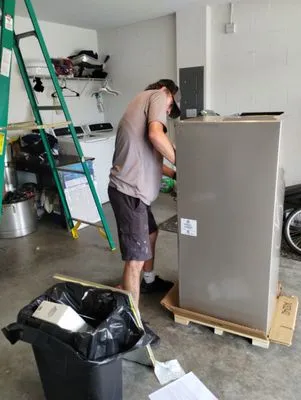
Expedited Heat & Air is a licensed HVAC and plumbing service provider based in Lakeland, FL, offering 24/7 emergency solutions for both residential and commercial clients. Led by General Manager Patri...
Roto-Rooter Plumbing & Water Cleanup
Roto-Rooter Plumbing & Water Cleanup in Tampa, FL provides comprehensive plumbing and water damage services for both residential and commercial customers. Our team of licensed, experienced plumbers is...

Red Cap Plumbing, Air & Electric
Red Cap Plumbing, Air & Electric has been serving Tampa with reliable plumbing, HVAC, and electrical services for years. What began as a plumbing-focused company known for its distinctive Red Cap serv...
Alvarez Plumbing & Air Conditioning
Alvarez Plumbing & Air Conditioning is a family-owned and operated business that has been serving the Tampa community since 1976. Originally focused on plumbing services, we expanded in 2016 to includ...
Tampa Bay Plumbers
Tampa Bay Plumbers is a fully licensed, bonded, and insured master plumbing contractor serving the greater Tampa Bay area with over 40 years of local experience. We specialize in a full range of plumb...

Excellent Plumbing Services
Excellent Plumbing Services is a licensed, family-owned plumbing company serving Tampa, FL, and the surrounding communities. With over two decades of experience, we provide reliable residential and co...
Estimated Plumbing Costs in Progress Village, FL
FAQs
What's one plumbing tip specific to the Tampa climate I should know before hurricane season?
Before peak hurricane season, shut off your main water valve and drain your irrigation backflow preventer. A 52-degree low might seem mild, but a power outage during a storm can still allow cold air to freeze and burst exposed pipes in a garage or crawlspace if the house is vacant. Draining the backflow device, which is outside, prevents it from cracking due to a freeze or debris impact. This is a five-minute task that prevents thousands in water damage.
Do I need a permit to replace my water heater in Hillsborough County?
Yes, Hillsborough County Building Services requires a permit for water heater replacement, which includes an inspection. As a master plumber licensed by the Florida Construction Industry Licensing Board, I pull that permit, schedule the inspection, and ensure the installation meets all current code for seismic strapping and pan drainage. My credential number is on the permit; I handle that red tape so you don't have to navigate county offices. The process protects your home's value and safety.
What kind of plumbing problems should I expect in my Progress Village home built around 2010?
Your copper plumbing is now about 16 years old, which is a common time for specific issues to surface. Homeowners in Progress Village Estates are frequently calling about isolated pinhole leaks in their copper pipes, a form of corrosion that accelerates with our local water chemistry. This age also coincides with the first significant maintenance cycle for water heater anode rods and fixture cartridges. It's a good time for a proactive inspection to find a single leak before it becomes multiple failures.
Could the flat, low-lying land in Progress Village be causing my slow drains?
Absolutely. The minimal slope in our low-lying terrain, especially near areas like Progress Village Park, doesn't provide strong gravity flow for wastewater. This can lead to frequent drain line blockages as solids settle in the pipes instead of being carried away. It also puts constant, low-grade stress on your main sewer lateral, making it more susceptible to root intrusion or belly formation. We often have to use jetting equipment to fully clear lines that simple snaking can't handle here.
Does Tampa Bay's hard water damage my home's plumbing fixtures?
Yes, the mineral content in Tampa Bay Water leads to scale buildup that directly impacts hardware. Inside your water heater, scale insulates the heating elements, forcing them to work harder and fail sooner. At fixtures, it clogs aerators and wears out cartridge seals in showers and faucets. A whole-house water softener is the definitive solution, but regular descaling of the water heater and cleaning of aerators can manage the effects.
As a suburban homeowner here, what's the most common plumbing call you get?
The most frequent issue is a blocked main sewer line from tree roots. Even in a suburban setting like ours, mature landscape trees seek out the water and nutrients in sewer laterals. Their roots can penetrate pipe joints, causing slow drains and backups. Municipal water pressure is generally consistent, but that pressure can turn a small pinhole leak in your copper pipes into a significant spray. Regular camera inspections of your lateral are wise preventative maintenance.
How quickly can a plumber get to my house in Progress Village if I have a leak?
From our local dispatch, heading past Progress Village Park gives direct access to I-75 for a quick run into the neighborhood. A typical response from the initial call is within 30 to 45 minutes for an emergency. Traffic on I-75 during rush hour is the main variable, so we factor that in when giving you an ETA. The route is straightforward, allowing us to carry the right tools for common copper pipe repairs on the first trip.
Why is my 2010-built home suddenly getting pinhole leaks in the copper pipes?
Copper pipes installed around 2010 are now experiencing advanced-stage pitting corrosion, often from micro-impurities in the water interacting with the metal over 15+ years. This creates pinhole leaks, typically appearing first on horizontal hot water lines or at soldered joints. The leaks aren't random; they follow a predictable electrochemical failure pattern. Repair usually involves cutting out the compromised section and installing a new copper or approved PEX segment with proper fittings.
