Top Emergency Plumbers in Port Saint John, FL, 32927 | Compare & Call

There are 127 plumbing companies server in Port Saint John FL

Showalter Construction & Restoration
Showalter Construction & Restoration is a trusted, disabled veteran-owned company serving Thonotosassa and Central Florida since 2005. Founded and led by Robert J. Showalter, a Florida-licensed contra...

Founded on a legacy of integrity and family expertise, Lapin Services is a cornerstone of Orlando's plumbing and septic industry. With over 65 years of service, owner Dennis Lapin continues the tradit...
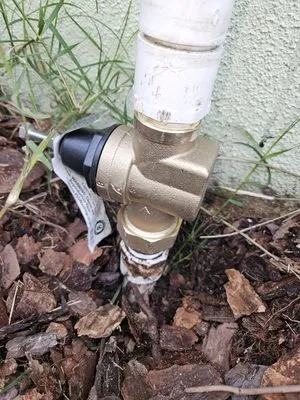
Drain Tactics is a licensed plumbing service in Orlando, FL, dedicated to providing honest, personalized solutions for residential plumbing needs. We believe in treating every customer with the same c...
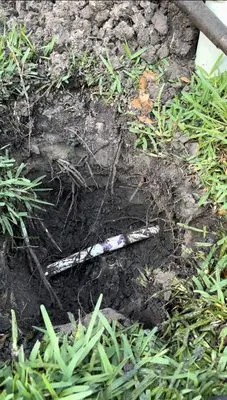
Above & Beyond Leak Detection
Above & Beyond Leak Detection is a licensed, family-owned business serving Belle Isle and surrounding areas for over 14 years. We specialize in pinpointing hidden plumbing and roofing leaks using adva...
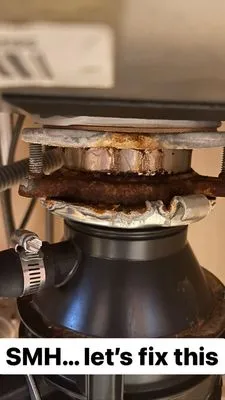
Plumbing Doctors and Install is a state-certified plumbing service in Kissimmee, FL, built on over 30 years of combined hands-on experience. As trusted professionals holding license #CFC1431940, we ar...
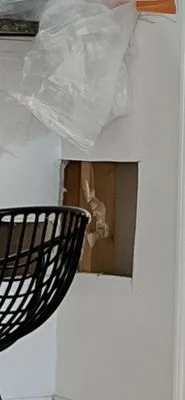
Repipe Specialists - Orlando is a locally operated, licensed and insured plumbing company serving Orlando, FL, and surrounding areas. With a focus on residential and multi-family complexes, they speci...
Americas Handy
Americas Handy is a licensed handyman service based in Orlando, FL, bringing years of experience and a reputation for reliability to Central Florida homes. We offer a comprehensive range of solutions,...
Hurricane Plumbing & Repair
Founded in 2019, Hurricane Plumbing & Repair LLC is a State Licensed, family-owned business serving Winter Park and Central Florida. Our mission is straightforward: to exceed your expectations by solv...
RR&M HOME DRAIN CLEANING is a family-owned and operated plumbing service in Orlando, with a tradition of craftsmanship spanning three generations. For over eight years, we've been a trusted local reso...
The Leak Doctor is a trusted local leak detection service based in Orlando, FL, specializing in finding difficult water leaks in plumbing and irrigation systems for residential and light commercial pr...
Estimated Plumbing Costs in Port Saint John, FL
Common Questions
Do I need a permit to replace my water heater in Brevard County?
Yes, Brevard County Planning and Development requires a permit for water heater replacement. As a Master Plumber licensed by the Florida Construction Industry Licensing Board, I pull and close out all necessary permits as part of the job. Handling that red tape is my responsibility, so you don't have to navigate the county offices yourself.
Could the land near the river be causing my main sewer line to back up?
The coastal terrain here, with its sandy soil and subtle slopes, can shift over time. A main line running from a home down toward the St. Johns River may develop a low spot or a belly where waste collects. Near Space View Park, where the grade changes, we often find these stress points have cracked or separated, leading to recurring blockages and need for repair.
How quickly can a plumber get to my house in Port Saint John during an emergency?
From my shop, the typical dispatch route heads past Space View Park and onto I-95. Traffic permitting, I can usually be on-site in Port St. John Village within 25 to 35 minutes. That route is direct and avoids most of the surface road congestion, which is crucial when you have water actively leaking.
My water pressure seems low and I'm seeing blue-green stains. How old are the pipes in Port St. John Village?
Most homes here were built around 1988, which means the copper plumbing is now 38 years old. At this age, the internal protective lining of the pipe can wear thin. Homeowners in Port Saint John often start seeing pinhole leaks, reduced water flow, and those telltale stains from corroding copper fittings. It's a predictable lifecycle for this material in our area.
What should I do to my plumbing before hurricane season hits Florida?
Before the season peaks, shut off your main water valve if you evacuate. This prevents catastrophic flooding if a pipe bursts while you're gone. Also, drain a few gallons from your water heater tank to settle any sediment stirred up by storm-related pressure fluctuations. These two simple steps can prevent tens of thousands of dollars in water damage.
As a suburban homeowner, what's the most common plumbing issue I should watch for?
In Port St. John's suburban setting, the most frequent calls are for roots in the lateral sewer line. Mature landscaping trees seek out the water in your pipe, and their roots can infiltrate even small cracks, causing complete blockages. Municipal water pressure here is also consistently high, which accelerates wear on aging valves and supply lines inside the home.
Does the hard water from the St. Johns River ruin appliances?
Yes, the mineral content from the river leads to significant scale buildup. Inside a water heater, this scale acts as an insulator, forcing the unit to work harder and fail prematurely. You'll also see reduced flow and premature seal failure in faucets and shower valves. Installing a whole-house water softener is one of the most effective long-term investments for your plumbing hardware here.
Why are my 1980s copper pipes suddenly springing leaks all at once?
Copper pipes from that era are hitting a critical failure point. After nearly four decades, the solder joints can become brittle and the pipe walls thin from years of water flow. In Port Saint John, we frequently see clusters of pinhole leaks, often where hot and cold lines meet at the water heater. It's not a coincidence; it's the system reaching its expected service life.
