Top Emergency Plumbers in Maitland, FL, 32751 | Compare & Call

There are 239 plumbing companies server in Maitland FL
Emerald Plumbing
Emerald Plumbing is a trusted Orlando plumbing company founded in 1996 by Liam Cuddy, who brings decades of international experience from Ireland, Australia, and Europe. With a family-like approach to...
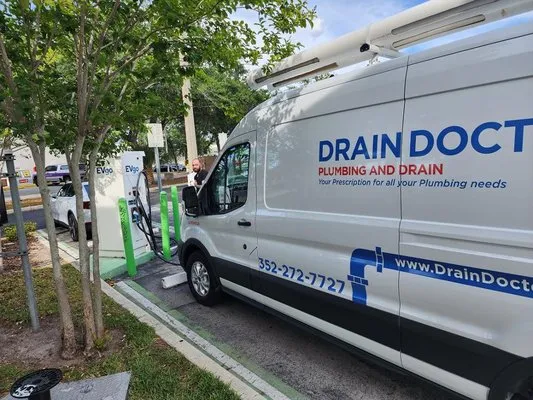
Drain Doctor Plumbing and Drain
Drain Doctor Plumbing and Drain has been a trusted name in Central Florida since 2003, founded on principles of transparency and expertise. Owner [Name] began his career in 1987, quickly becoming a to...

Founded on a legacy of integrity and family expertise, Lapin Services is a cornerstone of Orlando's plumbing and septic industry. With over 65 years of service, owner Dennis Lapin continues the tradit...
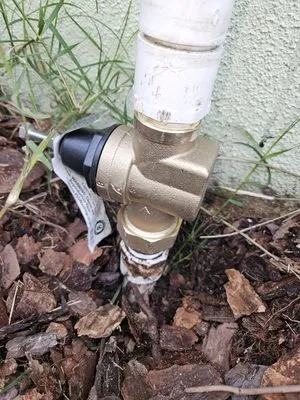
Drain Tactics is a licensed plumbing service in Orlando, FL, dedicated to providing honest, personalized solutions for residential plumbing needs. We believe in treating every customer with the same c...
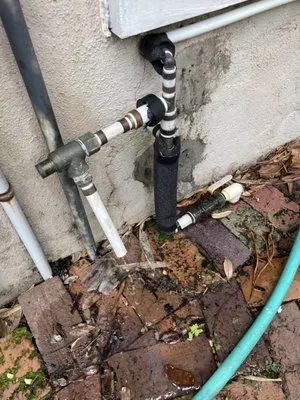
Drain Genie Plumbing Services
Drain Genie Plumbing Services has been a trusted provider in Orlando and throughout Florida since 2008, building a reputation for reliable service with a team of skilled, licensed plumbers. We handle ...
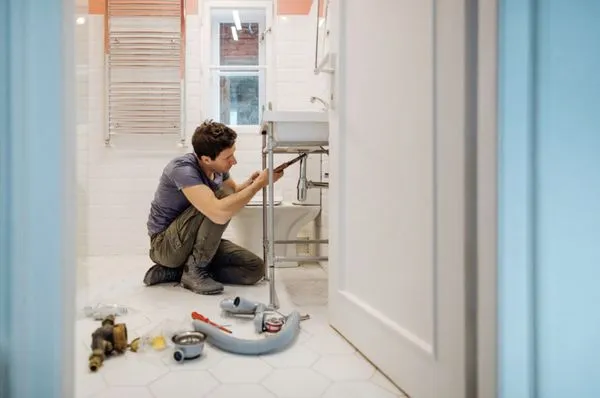
Harvey Baker Plumbing
Harvey Baker Plumbing is a family-owned and operated business deeply rooted in Orlando's Conway neighborhood. Founded by Harvey and Marcia Baker, high school sweethearts from Boone High School, the co...
Modern Plumbing Industries
Modern Plumbing Industries has been serving the Winter Springs community and greater Central Florida since 1975. As a family-owned and operated business, we operate on a core philosophy we call 'The M...
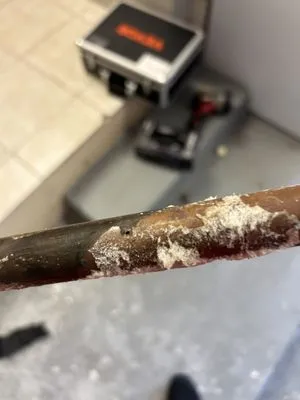
A & J Drains Cleaning and Plumbing Repairs is a trusted local plumbing service in Orlando, FL, specializing in comprehensive drain and plumbing solutions. We help Orlando homeowners and businesses tac...
Herrell Plumbing
Herrell Plumbing has been Orlando's trusted plumbing partner since 1970, providing reliable service across Central Florida. Our state-certified plumbers handle everything from routine repairs to emerg...
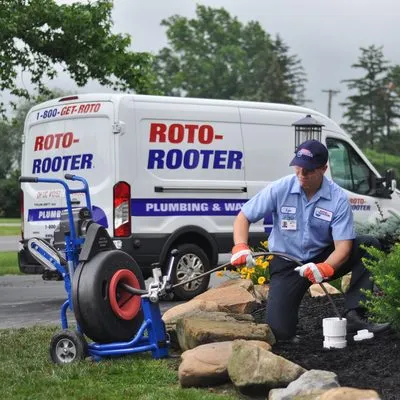
Roto-Rooter Plumbing & Water Cleanup
For over 85 years, Roto-Rooter Plumbing & Water Cleanup has been the trusted name for homeowners and businesses in Orlando, FL. Our local team is fully staffed and ready to respond 24 hours a day, 7 d...
Estimated Plumbing Costs in Maitland, FL
Q&A
Could the flat land around here cause drainage or sewer problems?
Maitland's low-lying terrain, including areas near Lake Sybelia, challenges drainage. Flat slopes prevent stormwater from shedding quickly, which can overload municipal systems and lead to yard flooding that saturates the soil around your main sewer line. This constant hydrostatic pressure can stress pipe joints and invite root intrusion. Ensuring your property's grading directs water away from the foundation is a critical first defense.
Why do my copper pipes keep springing pinhole leaks?
Pinhole leaks in 1990s copper are often due to a combination of age and our local water. Over three decades, the protective interior scale can break down, allowing aggressive water to pit the pipe walls. This is accelerated by the original solder composition and the water's pH. The leaks usually start at joints or where the pipe is stressed, appearing as a fine, persistent spray or drip that worsens water pressure.
My home's original copper pipes are from 1995. What kind of plumbing problems should I expect now?
Homes built around 1995 have copper plumbing that is now 31 years old. Around this age, we see a predictable failure pattern. In Lake Sybelia and across Maitland, homeowners are reporting pinhole leaks, especially at the solder joints. The thin-wall copper used in that era is susceptible to corrosion from our water chemistry, and this is when it typically manifests. It's wise to budget for selective repiping, starting with hot water lines and areas with visible green corrosion.
As a homeowner in a suburban area like Maitland, what are common plumbing issues?
Suburban systems here face consistent municipal water pressure, which is good for flow but can stress older fittings. The most frequent issues are sewer lateral blockages from mature tree roots seeking water and the premature failure of water heaters due to scale. Unlike rural homes with wells, you're less likely to have pressure tank issues, but you are more susceptible to main line breaks from shifting, sandy soil.
Does Maitland's hard water damage my water heater or fixtures?
Yes, the hard water from the Floridan Aquifer causes significant scale buildup. Inside your water heater, this mineral accumulation acts as an insulator, forcing the unit to work harder and fail prematurely. On fixtures and aerators, it clogs flow and causes unsightly white deposits. An annual water heater flush and whole-house water softener are the most effective countermeasures for long-term appliance life.
Do I need a permit to replace my water heater in Maitland, and who handles that?
Yes, the Maitland Building Division requires a permit for water heater replacement, as it involves gas, electrical, and pressure connections. As a licensed Master Plumber credentialed by the Florida Construction Industry Licensing Board, I pull all necessary permits, schedule inspections, and ensure the installation meets current code. My crew handles the red tape so you don't have to, and the permit is closed out before the job is considered complete.
How fast can a plumber get to my house in Maitland if I have a leak?
A dispatch from our central location follows a standard route. Heading past Maitland Art Center to access I-4 provides a direct artery to most neighborhoods. Barring major traffic, we can typically be on site within 20 to 30 minutes for an emergency call. We prioritize leaks that threaten property, so communicating the severity clearly helps us route the nearest truck.
What should I do to my plumbing before hurricane season in Florida?
Before peak season, secure all outdoor hose bibs and irrigation backflow preventers. At a minimum of 50 degrees, pipes won't freeze, but driving rain can infiltrate exterior plumbing penetrations. Seal any gaps where pipes enter the home with urethane caulk. Know the location of your main water shut-off valve; if a storm is imminent, turning it off can prevent catastrophic flooding from a broken line.
