Top Emergency Plumbers in Lakewood Park, FL, 34946 | Compare & Call

There are 118 plumbing companies server in Lakewood Park FL

Joe Hillman Plumbers
Joe Hillman Plumbers has been serving Davie and South Florida since 1987, when founder Joe Hillman started the family-owned business with just two vans and four associates. Today, with over 85 employe...
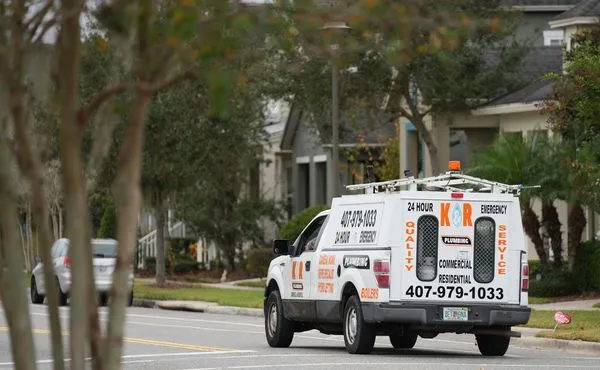
K&R Plumbing
K&R Plumbing is a family-owned and operated plumbing service proudly serving St. Cloud and the surrounding communities. With a team that brings over a century of combined experience in both commercial...
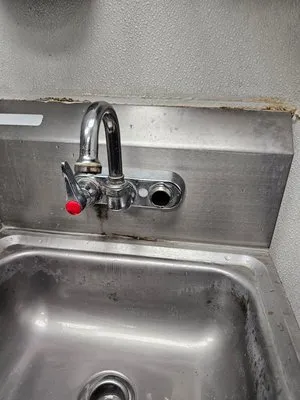
Blue-Collar Plumbing & Drain Cleaning is a family-owned and operated business dedicated to serving Orlando and the greater Central Florida area. We understand that plumbing problems can disrupt your h...

Regal Plumbing is a family-owned and operated plumbing company proudly serving Port St. Lucie, Florida, and the surrounding communities. Fully licensed and insured, we are your reliable, local partner...

Dom Bella Plumbing
Dom Bella Plumbing is a family-owned, licensed plumbing company serving Port St. Lucie and the broader Treasure Coast since 2017. Founded by Master Plumber Alexander, our team brings over 23 years of ...
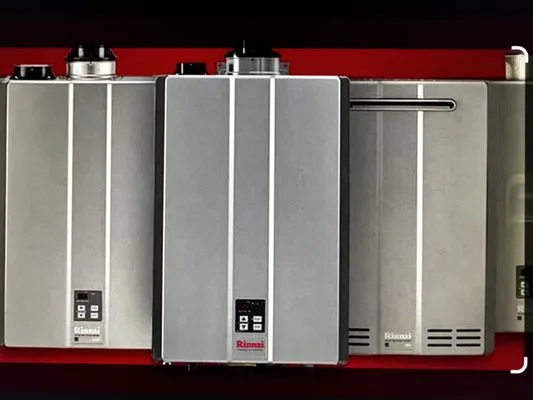
Trademark Plumbing is a family-owned and operated plumbing service based in Port St Lucie, FL, with over 20 years of experience in the trade. Licensed and insured, we provide reliable plumbing solutio...
All Father's Plumbing has been serving Port St. Lucie homeowners and businesses for nearly 20 years as a fully licensed and insured plumbing service provider. We specialize in comprehensive plumbing s...
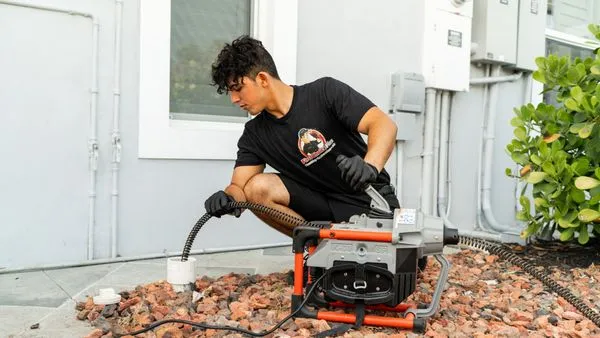
First Choice Plus Plumbing & Air
First Choice Plus Plumbing & Air is a trusted local service provider proudly serving Port St. Lucie and the surrounding communities since 2007. Owner Manuel and his team believe exceptional customer s...
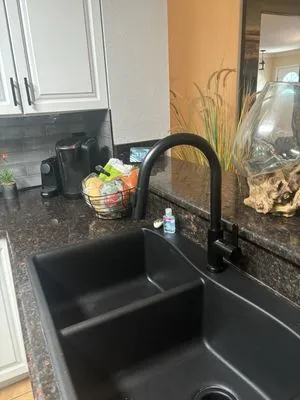
Mike C Handyman is your trusted local handyman service in Jensen Beach, FL, offering comprehensive home repair and maintenance solutions. With expertise spanning appliance installation and repair, plu...
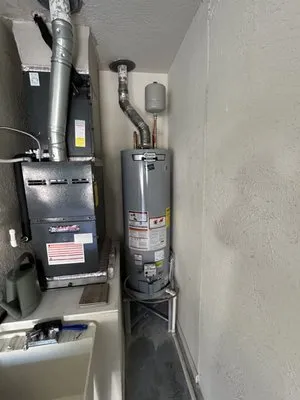
Salt Water Plumbing is a trusted, family-owned and locally operated plumbing service serving Port St. Lucie with over 25 years of hands-on experience. As a fully licensed (CFC 1432501) and insured con...
Estimated Plumbing Costs in Lakewood Park, FL
FAQs
What should I do to prepare my plumbing for hurricane season?
Before hurricane season peaks, shut off your main water valve if evacuating to prevent pressure surges from damaging aging polybutylene lines. Drain your water heater if you expect extended power outages to prevent sediment from hardening in the tank. Keep the temperature setting at 120°F or lower during summer months to reduce strain on the system. These steps help avoid emergency calls when contractors are overwhelmed after storms.
How old are the pipes in Lakewood Park homes and what should I expect?
Polybutylene plumbing in Lakewood Park Estates was installed around 1988, making these systems 38 years old in 2026. At this age, homeowners typically notice increased frequency of pinhole leaks, especially at joints and fittings. The plastic becomes brittle over decades, losing its flexibility and resistance to chlorine in municipal water. Many residents report sudden failures in supply lines behind walls or under slabs that require immediate attention.
Why do older Lakewood Park homes have so many plumbing leaks?
Polybutylene systems from the late 1980s suffer from oxidative degradation where the pipe material breaks down from chlorine exposure. This creates pinhole leaks that often appear at fittings first, then along straight runs. The aluminum crimp rings used with polybutylene can corrode differently than the pipe, creating weak points. These failures tend to accelerate after 30 years of service.
What permits are needed for plumbing work in St. Lucie County?
St. Lucie County Planning and Development Services requires permits for water heater replacements, sewer line repairs, and any plumbing modifications affecting the main supply. My Florida Construction Industry Licensing Board credentials allow me to pull these permits directly, handling the red tape so you don't have to navigate county requirements. This ensures all work meets current building codes for insurance and resale purposes.
How quickly can a plumber reach my home in Lakewood Park?
Heading past Blue Cypress Lake on I-95 puts me about 20-30 minutes from most addresses in Lakewood Park Estates. That route avoids surface street congestion during peak hours. I keep a stocked service van ready for common polybutylene repairs, so the clock starts when you call, not when I reach the supply house.
Does our hard water from the Floridan Aquifer damage plumbing?
Water drawn from the Floridan Aquifer contains high mineral content that creates scale buildup inside pipes and appliances. Over time, this reduces water heater efficiency by insulating heating elements and restricts flow in fixtures. You'll notice reduced pressure at faucets and shorter water heater lifespans without regular maintenance. Installing a whole-house water softener can significantly extend your plumbing system's service life.
Could the low land near Blue Cypress Lake affect my plumbing?
Low-lying terrain around Blue Cypress Lake means groundwater tables rise quickly during heavy rains, putting hydrostatic pressure on sewer lines and foundation plumbing. This constant moisture exposure accelerates corrosion on metallic fittings connected to polybutylene systems. Proper grading away from your home's foundation and functioning French drains help protect the main sewer line from soil saturation stress.
Are tree roots a problem for plumbing in suburban Lakewood Park?
Mature landscaping in Lakewood Park Estates means tree roots frequently infiltrate sewer laterals seeking moisture. These roots can collapse older clay pipes or create blockages in PVC lines. Municipal water pressure here runs 60-80 PSI, which stresses aging polybutylene connections at the meter. Regular camera inspections of your lateral line catch root intrusion before it causes backups.
