Top Emergency Plumbers in Keystone, FL, 33556 | Compare & Call

There are 238 plumbing companies server in Keystone FL
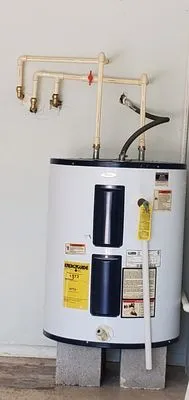
The GOAT Plumbing Company isn't just a new name in Riverview—it's built on nearly two decades of hands-on plumbing experience. Owner and founder started in a service van right after high school, learn...
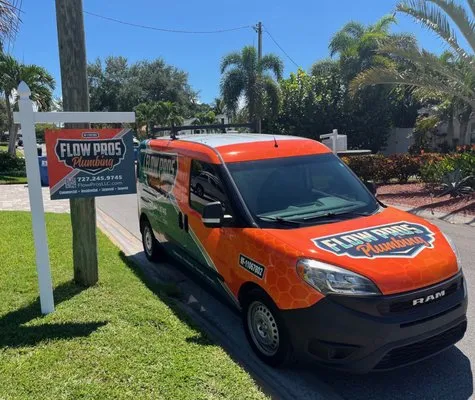
Flow Pros Plumbing
I'm Jared, the owner of Flow Pros Plumbing in St. Petersburg. Founded in 2020, I started this company to provide plumbing service that truly prioritizes customer care, both for homes and businesses. W...
All Hours Plumber
All Hours Plumber is a licensed and insured plumbing service in Tampa, FL, with over 20 years of experience providing 24/7 emergency solutions. They specialize in residential and commercial plumbing, ...
For over 23 years, JAS Handyman Multi Services has been the trusted neighborhood handyman for Tampa Bay residents. We specialize in comprehensive home remodeling, with deep expertise in plumbing, sidi...

Experts Plumbing Services
Experts Plumbing Services is a family-owned and operated Tampa business founded by Michael Hinsch, whose plumbing journey began as a child working summers with his father and grandfather. With over 30...
Apex Plumbing
Apex Plumbing is a veteran-owned, full-service plumbing company serving Clearwater, FL, and the surrounding Central Florida area. Since 2018, we've been a trusted local resource for both residential a...
The Hot Water People is a trusted, local plumbing service based in Carrollwood, FL, dedicated to keeping your home's water flowing smoothly. We specialize in the full spectrum of residential and comme...

FL PLUMBER is a licensed and insured, family-owned plumbing company based in Trinity, FL, serving residential and commercial clients throughout Tarpon Springs, New Port Richey, Clearwater, Palm Harbor...
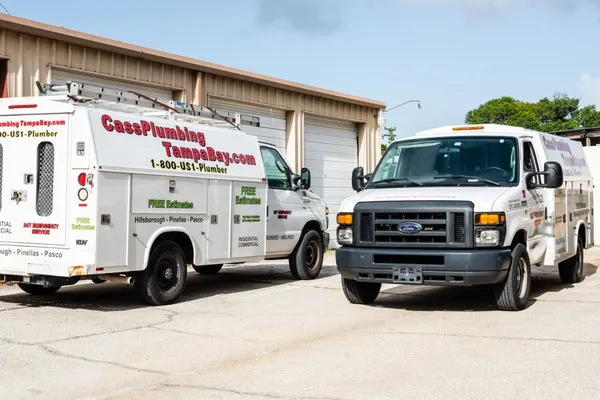
Cass Plumbing
Cass Plumbing has been the trusted, family-owned plumbing service for Tampa Bay residents and businesses since 1999. Founded by a family that has called the area home since 1983, we understand the uni...
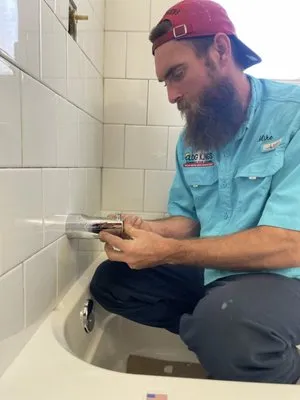
Clog Kings
Clog Kings is a locally owned and operated plumbing company based in Pinellas Park, FL, with a Master Plumber who brings over 20 years of experience to every job. Serving residential and commercial cl...
Estimated Plumbing Costs in Keystone, FL
FAQs
Does hard well water damage my water heater and fixtures?
Yes, significantly. Water from a private well in Keystone carries dissolved minerals like calcium and magnesium. These minerals solidify as scale inside pipes and, critically, at the bottom of your water heater tank. This scale buildup acts as an insulator, forcing the heater to work harder and overheat its elements, leading to premature failure. You'll also see reduced flow and clogging in faucet aerators and showerheads.
Could the flat land around Lake Keystone cause plumbing problems?
The low-lying, sandy soil here affects drainage. For your home's main sewer line, the lack of a consistent slope can lead to waste water moving too slowly, allowing solids to settle and create blockages. Over years, this constant, slight stress on the pipe can also cause it to sag or bell, creating a point for roots to infiltrate and cause a major backup.
How long does it take for a plumber to get to Keystone from Tampa?
My typical dispatch from this area starts by heading past Lake Keystone to connect with State Road 589. Traffic on the Veterans Expressway is the main variable. For a service call in Keystone, you can expect a 45 to 60 minute window from the time we're dispatched until we're at your door with the truck.
How does living in a suburban area like Keystone affect my plumbing?
The main consideration is your private well and septic system, which you're responsible for maintaining. Unlike a city connection, you don't have consistent municipal water pressure, so pump and pressure tank performance are critical. Also, while you may have more space, mature landscaping means tree roots are a constant threat to your underground sewer lateral, even on a large property.
What permits are needed for a water heater replacement in Hillsborough County?
Hillsborough County Building Services requires a permit for any water heater replacement. As a licensed Master Plumber with the Florida Construction Industry Licensing Board, I pull that permit, schedule the inspection, and ensure the installation meets all current code for seismic strapping and pan drainage. My crew handles that red tape so you don't have to navigate the county process yourself.
What's one plumbing tip for Florida's hurricane season?
Before a storm, shut off your main water valve and drain your irrigation system. The real pro-tip is to know where your main sewer cleanout is and keep it accessible. Heavy tropical rains can saturate the low ground, causing municipal lines to back up. Having a cap and wrench ready lets you seal the cleanout quickly to prevent sewage from flooding into your home.
Our copper plumbing is from 1999. What should we be watching for now?
Your copper pipes are now 27 years old. In Keystone Estates, we're seeing the first major wave of pinhole leaks and joint failures. The thin-walled copper installed in that era is hitting its service life, especially where acidic well water has accelerated corrosion from the inside. Homeowners often notice small, persistent damp spots on drywall or a sudden drop in water pressure.
Why are my copper pipes suddenly developing pinhole leaks?
Copper pipe from the late 90s is prone to a type of corrosion called Type M pitting. It's a wall-thinning process that starts inside the pipe, often where flux wasn't fully cleaned during installation. After 25+ years, this creates weak spots that fail under normal pressure, resulting in those frustrating pinhole leaks. The hard, mineral-rich water from private wells here can accelerate this failure.
