Top Emergency Plumbers in Heritage Bay, FL, 34120 | Compare & Call

There are 192 plumbing companies server in Heritage Bay FL

Hernandez Plumbing is a third-generation, family-owned and operated business serving Doral since 1972. With a master plumber who has over 30 years of experience, we are one of South Florida's original...
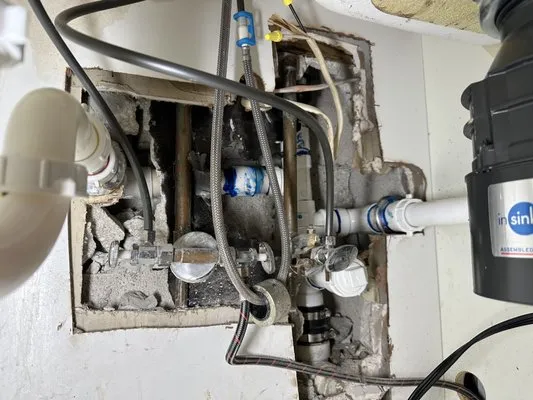
Main Plumbing Services
Main Plumbing Services is a family-owned and operated, state-certified plumbing company serving Miami-Dade County. Founded by Daniel Ayala, who personally oversees every project, the company is built ...
Diamond Plumbing
Diamond Plumbing is a second-generation, family-owned business serving the Miami community with reliable plumbing services for over 25 years. Founded by a father-son duo, we combine decades of hands-o...
Miami 305 Plumbing is a state-licensed and insured plumbing company serving Miami, FL, with over 20 years of combined experience. We provide a comprehensive range of services, including emergency plum...

Mohr Corp Plumbing has been serving Miami homeowners and businesses since 2009 with reliable plumbing solutions. Founded by licensed plumbing contractor Juan Mohr, this family-operated business brings...

Cutler Bay Plumbing And Pipe Lining
Cutler Bay Plumbing And Pipe Lining is a family-owned and operated plumbing service based in Cutler Bay, FL, with over 20 years of industry experience. Licensed, insured, and committed to state standa...
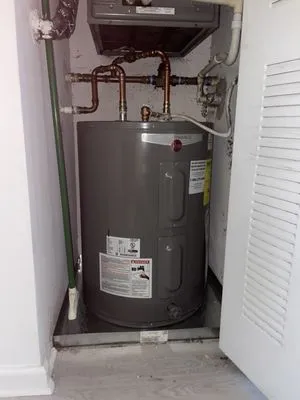
Coastal Plumbing of Brickell
Coastal Plumbing of Brickell is a family-owned, fully licensed plumbing service (CFC:1430262) serving Miami with a commitment to precision and efficiency. We provide a complete range of residential pl...

Acosta Plumbing Service has been a trusted plumbing provider in Miami for over 30 years, built on principles of integrity, reliability, and quality workmanship. We take pride in guiding customers thro...
Since 1982, General Plumbing has been the trusted, family-owned plumbing solution for Miami-Dade. Founded by Jim and Monica Kleb at the corner of Sunset Drive and SW 117 Ave, we've grown from a small ...
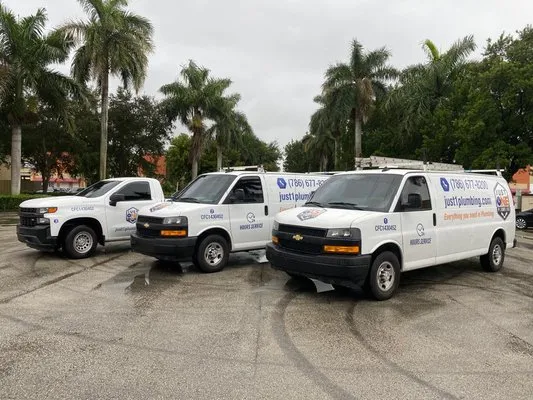
Just 1 Plumbing
Just 1 Plumbing is a family-owned and operated plumbing and building contractor serving Miami-Dade, Broward, and Monroe Counties. Founded in 2019 by Plumbing and Building Contractor Silvia Ginnari, we...
Estimated Plumbing Costs in Heritage Bay, FL
Common Questions
How quickly can a plumber get to Heritage Bay for an emergency?
Heading past Delnor-Wiggins Pass State Park on I-75 is the primary dispatch route for this area. From there, it's a direct shot into the community. A typical emergency response from a local shop runs 20 to 30 minutes, depending on traffic crossing into Collier County. We plan routes knowing that every minute counts when a pipe has burst.
Do I need a permit to replace my water heater in Collier County?
Yes, Collier County Growth Management Department requires a permit for a water heater replacement. The code covers proper venting, pressure relief valve discharge, and seismic strapping. As a master plumber licensed by the Florida Construction Industry Licensing Board, I handle pulling that permit and scheduling the required inspection. My license means I manage the red tape so you don't have to, ensuring the work is documented and compliant for both safety and your home's records.
Could the flat, low land here be causing my main drain to back up?
Absolutely. The low-lying terrain around Heritage Bay, similar to the soil composition near Delnor-Wiggins Pass State Park, offers very little natural slope for drainage. This puts constant hydrostatic pressure on your main sewer line, encouraging ground settlement that can stress and misalign pipe joints. Over years, this settling creates bellies or low spots in the line where waste collects, leading to recurrent slow drains and backups, especially during the rainy season.
Does our hard well water from the aquifer ruin appliances?
Water drawn from the Floridan Aquifer is heavy with dissolved minerals like calcium and magnesium. Over time, this scale builds up inside water heater tanks and on fixture cartridges, reducing efficiency and flow. A water heater's anode rod, which is designed to sacrifice itself to protect the tank, gets consumed much faster here. Without regular maintenance, you'll lose heating capacity and likely face premature tank failure due to scale-induced overheating.
What should I do to my plumbing before hurricane season peaks?
The tropical humidity and sudden temperature shifts put extra stress on plumbing. A key pro-tip is to know the location of your main water shut-off valve and test it every spring. Before a storm, shut off the main valve and drain your exterior irrigation system to prevent contamination from floodwater backflow into your home's lines. Also, insulate exposed pipes in the garage or attic; our winter lows around 54°F can still cause surprising cracks in older, stressed pipe.
Are the pipes in my 2012-built Heritage Bay home getting to a failure point?
Homes here from that 2012 build year are now 14 years into their pipe lifespan. We're seeing a predictable pattern in Heritage Bay Estates where polybutylene systems start showing their age with a marked increase in pinhole leaks. The plastic becomes more brittle, and the fittings, which were often secured with aluminum or copper crimp rings, begin to fail under constant pressure. This isn't a sudden catastrophe, but a phase where proactive inspection can prevent a major water damage event.
As a suburban homeowner, what's the most common plumbing issue I should watch for?
In a suburban setting like this, the most frequent issue stems from the lateral sewer line connecting your home to the county main. Invasive tree roots seek out the moisture and minor leaks at pipe joints, eventually causing complete blockages. Municipal water pressure here is generally consistent, but that constant pressure also means a small leak from a failing valve or supply line can waste thousands of gallons before it's noticed.
Why do I keep getting pinhole leaks in my plumbing?
For polybutylene pipes installed around 2012, pinhole leaks are a signature failure. Chloramines in our municipal water, reacting with the plastic and the metal in the acetal fittings, cause oxidative degradation from the inside out. After 14 years, that chemical reaction has had ample time to create weak spots. The leaks often appear first at joints or along long horizontal runs in the attic where the water sits and reacts the longest.
