Top Emergency Plumbers in Fort Meade, FL, 33830 | Compare & Call

There are 113 plumbing companies server in Fort Meade FL
Expedited Heat & Air
Expedited Heat & Air is a licensed HVAC and plumbing service provider based in Lakeland, FL, offering 24/7 emergency solutions for both residential and commercial clients. Led by General Manager Patri...
Tampa Bay Plumbers
Tampa Bay Plumbers is a fully licensed, bonded, and insured master plumbing contractor serving the greater Tampa Bay area with over 40 years of local experience. We specialize in a full range of plumb...
TBPM Plumbing Contractors, a Tampa-based family business founded in 1987 by Byron Godwin, has been a foundational partner in Florida's multifamily construction for over three decades. With deep roots ...
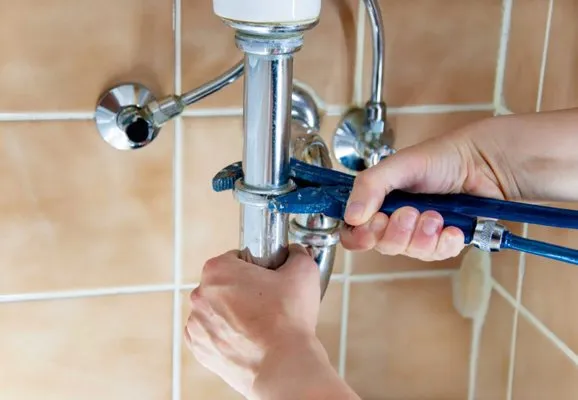
Dyser Plumbing Company has been a trusted fixture in Tampa Bay since 1974, providing reliable plumbing services to both homes and businesses. Our team of experienced technicians arrives in fully stock...
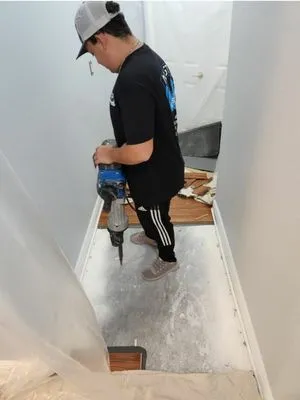
Nest Plumbing is a family-owned and operated plumbing company serving Lakeland and Central Florida since 2018. As a licensed and insured local business, we specialize in comprehensive residential plum...

Mr. Rooter Plumbing of Lakeland
Mr. Rooter Plumbing of Lakeland is a licensed, woman-owned plumbing service proudly serving the Lakeland, Florida community. Founded on the principle of honest, quality work by David Duck in 1970 and ...
American Leak Detection of Tampa is a family-owned and operated business serving Holiday and the surrounding five counties. Founded by Steve Nagel, a natural problem-solver with over two decades of sp...
All Phase Plumbing Services
All Phase Plumbing Services has been a trusted plumbing provider in Tampa, FL since 2013, offering comprehensive residential and commercial solutions. As a licensed and insured company, they handle ev...

For 17 years, GreaseCorp has been the trusted local partner for commercial grease trap maintenance across Central Florida. As a locally owned and operated Tampa business, we understand the specific de...
Champion Pipe Restoration brings a uniquely technical approach to Tampa Bay's plumbing needs. Founded by Jonathan, who combines a background in physics with extensive experience in utility service and...
Estimated Plumbing Costs in Fort Meade, FL
Common Questions
Are septic systems common in Fort Meade's rural areas?
Many homes outside municipal boundaries rely on septic systems and private wells. Septic tanks require regular pumping every 3-5 years to prevent backups into the house. Well pumps and pressure tanks need maintenance to handle the area's hard water. We recommend annual inspections of both systems, as repairs often involve excavating in sandy soil that can shift during wet seasons.
Does Fort Meade's hard water damage plumbing fixtures?
Water from the Floridan Aquifer contains high mineral content that causes scaling. This buildup reduces water heater efficiency by insulating heating elements, forcing them to work harder. Fixtures like showerheads and faucet aerators clog with calcium deposits, reducing flow. Over time, scale accumulation in pipes restricts water pressure and can lead to premature failure of appliances.
What plumbing issues should I prepare for during hurricane season?
Tropical storms bring two main concerns: flooding from heavy rain and power outages affecting well pumps. Install backflow preventers on main lines to keep floodwater from contaminating your system. Keep a manual shutoff tool accessible in case you need to quickly isolate plumbing during evacuation. Check sump pumps before June, and consider a generator connection for critical water systems.
How quickly can a plumber reach my home in Fort Meade?
Heading past Fort Meade Historic District on US-98, most emergency calls take 30-45 minutes. The dispatch route follows US-98 through town, then uses local streets to reach residential areas. Traffic is typically light, but during peak hours or weather events, we factor in extra travel time. We keep trucks stocked with common copper fittings and repair materials for Fort Meade homes.
Why are my 1970s copper pipes suddenly leaking?
Copper pipes from 1972 often develop pinhole leaks due to electrolytic corrosion and joint calcification. The solder joints between pipe sections weaken over 50+ years, allowing microscopic leaks that expand. Hard water minerals accelerate this process by creating scale that traps moisture against the copper. We typically find these failures at elbows and tee fittings where water turbulence occurs.
What permits are needed for plumbing work in Fort Meade?
The Fort Meade Building Department requires permits for most plumbing replacements and additions. As a Florida Construction Industry Licensing Board certified master plumber, I handle all permit applications and inspections. This includes coordinating with the city for water service interruptions during main line work. Proper documentation ensures your system meets current codes and maintains home value.
Why does my Fort Meade home have drainage problems?
Low-lying terrain around Fort Meade Historic District creates poor natural drainage. During heavy rains, water pools against foundation walls and can infiltrate basement or crawl space areas. This constant moisture stresses main sewer lines through soil shifting and root intrusion. Proper grading away from the house and French drain systems help manage surface water before it affects underground plumbing.
How long do copper pipes last in Fort Meade homes?
Copper plumbing installed around 1972 is now 54 years old. Homeowners in Downtown Fort Meade are seeing pinhole leaks and joint failures as the pipes reach this age. The original soldered joints have weakened over decades, and mineral buildup from our hard water accelerates corrosion. Many systems need partial replacement or full re-piping to prevent sudden failures.
