Top Emergency Plumbers in Dundee, FL, 33838 | Compare & Call

There are 187 plumbing companies server in Dundee FL
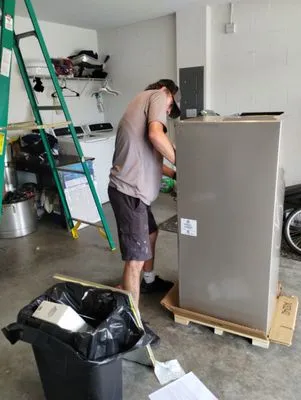
Expedited Heat & Air
Expedited Heat & Air is a licensed HVAC and plumbing service provider based in Lakeland, FL, offering 24/7 emergency solutions for both residential and commercial clients. Led by General Manager Patri...
Tampa Bay Plumbers
Tampa Bay Plumbers is a fully licensed, bonded, and insured master plumbing contractor serving the greater Tampa Bay area with over 40 years of local experience. We specialize in a full range of plumb...
TBPM Plumbing Contractors, a Tampa-based family business founded in 1987 by Byron Godwin, has been a foundational partner in Florida's multifamily construction for over three decades. With deep roots ...
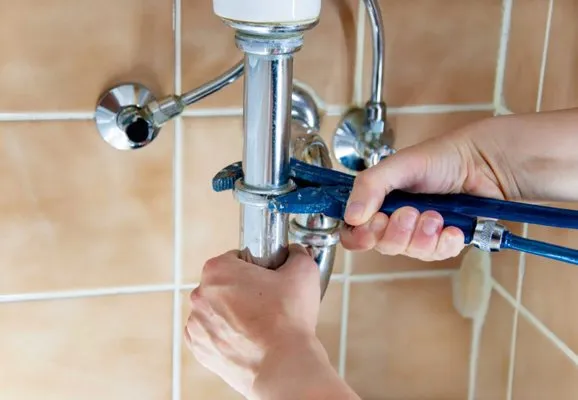
Dyser Plumbing Company has been a trusted fixture in Tampa Bay since 1974, providing reliable plumbing services to both homes and businesses. Our team of experienced technicians arrives in fully stock...
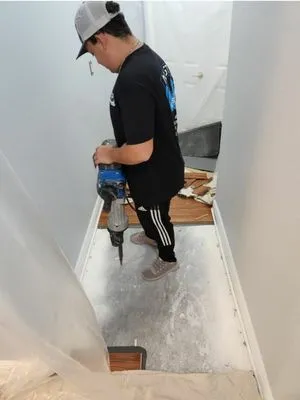
Nest Plumbing is a family-owned and operated plumbing company serving Lakeland and Central Florida since 2018. As a licensed and insured local business, we specialize in comprehensive residential plum...
Anthony Gennaro Plumbing
Anthony Gennaro Plumbing brings over four decades of trusted plumbing expertise to Tampa, FL, with roots dating back to 1980. Founded by Anthony Gennaro, who began working in his family's plumbing bus...

Mr. Rooter Plumbing of Lakeland
Mr. Rooter Plumbing of Lakeland is a licensed, woman-owned plumbing service proudly serving the Lakeland, Florida community. Founded on the principle of honest, quality work by David Duck in 1970 and ...
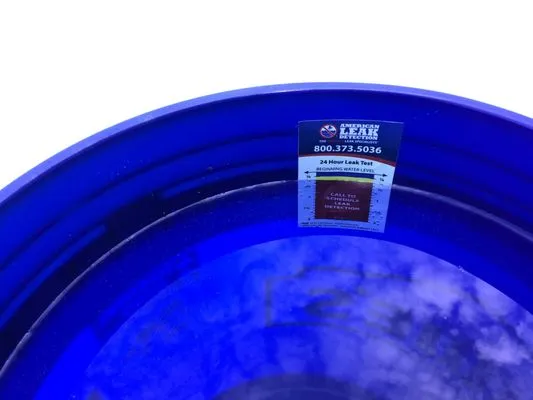
American Leak Detection of Tampa is a family-owned and operated business serving Holiday and the surrounding five counties. Founded by Steve Nagel, a natural problem-solver with over two decades of sp...
All Phase Plumbing Services
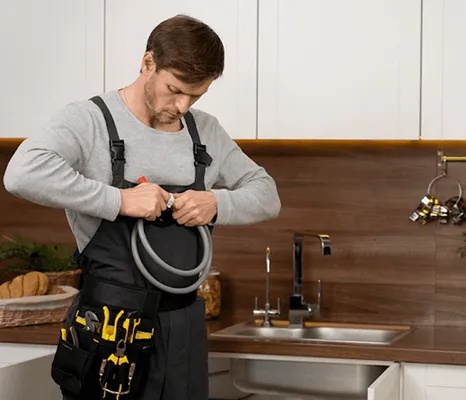
All Phase Plumbing Services has been a trusted plumbing provider in Tampa, FL since 2013, offering comprehensive residential and commercial solutions. As a licensed and insured company, they handle ev...

For 17 years, GreaseCorp has been the trusted local partner for commercial grease trap maintenance across Central Florida. As a locally owned and operated Tampa business, we understand the specific de...
Estimated Plumbing Costs in Dundee, FL
Questions and Answers
As a suburban homeowner, what unique plumbing issues should I watch for?
Municipal water pressure here can be inconsistent, and high pressure stresses old polybutylene joints and appliance valves. Also, while you're on a municipal sewer, the lateral line from your house to the street is your responsibility. Invasive root growth from mature landscaping is a constant threat to that pipe, especially at older clay or compromised PVC joints.
Could the hilly land around here be causing my slow drains?
Yes, the slope in areas like near Lake Marie can stress your main sewer line. Over decades, the ground settling on a hill can cause the pipe to belly or separate at joints. This creates a low spot where waste collects, leading to chronic slow drains and eventual blockages. Diagnosing this requires a camera inspection to map the pipe's exact pitch and identify the sagging section.
How fast can you get to my house for an emergency leak?
My dispatch from the Lake Marie area takes me onto US-27. Heading north or south on that corridor, I can typically reach most addresses in Dundee within 45 to 60 minutes, traffic permitting. I keep a truck stocked for common polybutylene and water heater failures so we can start the repair immediately upon arrival.
What should I do to prepare my plumbing for hurricane season?
The low temperature here rarely drops below 52°F, so freezing isn't the concern. Before a storm, fill your bathtubs with water for sanitation use, as power loss can disable your well pump if you're on one. Securely strap your electric water heater to a wall stud to prevent it from tipping if flooding occurs. This is a standard, critical step many homeowners overlook.
Do I need a permit to replace my water heater or repipe my house?
Yes, the Town of Dundee Building Department requires permits for both. As a master plumber licensed by the Florida Construction Industry Licensing Board, I pull all necessary permits, schedule inspections, and ensure the work meets Florida building code. My license means I handle that red tape and liability so you don't have to navigate it yourself.
Our house was built around 1996. Are we at risk for plumbing problems now?
Homes in Dundee Heights built around 1996 likely have polybutylene plumbing, which is now 30 years old. This material degrades from within due to chlorine in municipal water, becoming brittle. We're currently seeing a pattern of these pipes failing in localized bursts, often behind walls or under slabs, where repairs become invasive and costly. It's the primary reason I'm called to this neighborhood.
Why does our water seem to ruin appliances and fixtures so quickly?
Water from the Floridan Aquifer is very hard, meaning it's mineral-rich. As it heats in your water heater or passes through fixtures, those minerals solidify into limescale. This scale buildup insulates heating elements, forcing them to work harder and fail sooner, and it restricts flow in showerheads and faucet cartridges. Installing a whole-house water softener is the definitive solution to protect your hardware.
What's the most common plumbing failure in older Dundee homes?
Pinhole leaks in polybutylene supply lines are the most frequent failure. After 30 years, the pipe walls weaken and chlorine-induced micro-fractures turn into sudden, spraying leaks. These often occur at fittings or in long horizontal runs. The repair isn't a simple patch; it requires a full section replacement with modern PEX or copper, including new dielectric unions to prevent galvanic corrosion.
