Top Emergency Plumbers in Long Neck, DE, 19966 | Compare & Call

There are 88 plumbing companies server in Long Neck DE
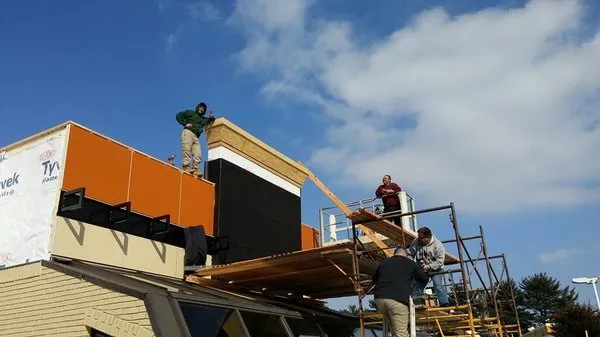
Serras Home Repair is a family-founded, locally-owned general contracting business serving Brookhaven and Delaware County. With deep roots in carpentry, engineering, and multiple trades, we've built o...

Maintenance Engineering
Maintenance Engineering in Conowingo, MD, is a trusted local service provider with deep roots in the community. As a semi-retired maintenance director, I bring decades of hands-on experience to every ...
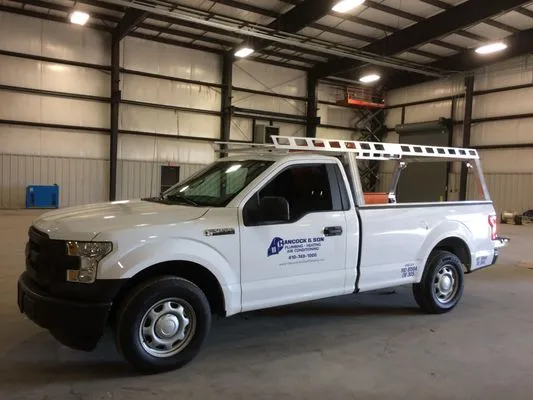
Hancock & Son Plumbing, Heating and Air Conditioning
Hancock & Son Plumbing, Heating and Air Conditioning is a trusted, family-owned business serving Salisbury and the Eastern Shore for over 26 years. We provide reliable 24/7 emergency service for all y...
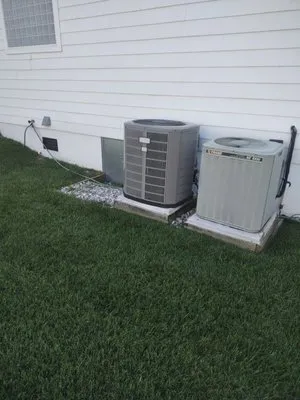
Real HVAC Services
Since 2007, Delmarva residents have relied on REAL HVAC Services, a locally owned and operated company founded by Shawn Harrison. Using his background in mechanical installation and repair, Shawn buil...
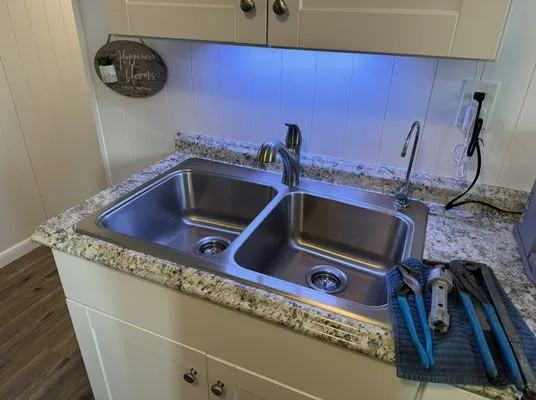
LMS Plumbing and Gas
LMS Plumbing and Gas, LLC is a family-owned and operated plumbing service based in Berlin, MD, specializing in both residential plumbing and gas installations. Our team consists of licensed and experi...
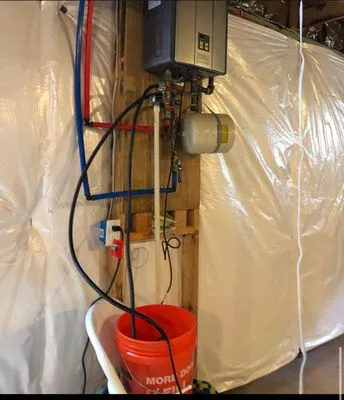
LT Plumbing Solutions is your trusted local plumbing partner serving Berlin, MD, and the surrounding communities. We understand that homes in our coastal area face specific challenges, from sump pumps...
Poseidon Plumbing & Home Services
Founded in March 2017 by three experienced former coworkers, Poseidon Plumbing & Home Services brings a wealth of practical field knowledge to every job in Ocean City, MD. We started this business by ...

Liberty Pure
Liberty Pure is your trusted local water solution, well pump, and plumbing specialist serving Willards, MD, and the surrounding communities. Established in 1988, we have built a reputation for reliabi...
Hague Quality Water
For over three decades, Hague Quality Water has been the trusted, family-owned water treatment and plumbing expert for Ocean City, MD, and the surrounding region. Founded in 1993 and led by President ...
Seaside Plumbing
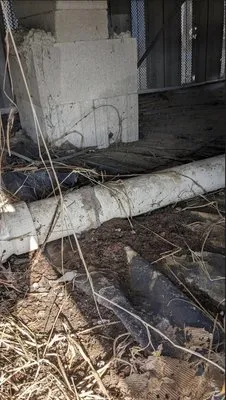
Seaside Plumbing has been the trusted plumbing and gas service provider for Bishopville, MD, and surrounding areas since 2003. We specialize in a comprehensive range of services from drain and faucet ...
Estimated Plumbing Costs in Long Neck, DE
Question Answers
Do I need a permit to replace my water heater in Sussex County?
Yes, Sussex County Planning and Zoning requires a permit for a water heater replacement. As a Master Plumber licensed by the Delaware Division of Professional Regulation, I handle pulling that permit, scheduling the inspection, and ensuring the installation meets all current code requirements for expansion tanks and pan drains. My license means I manage the red tape so you don't have to, and the job is documented correctly for your home's records.
I'm on municipal water in a Long Neck neighborhood. Why is my water pressure so inconsistent?
In our suburban setting, inconsistent pressure often points to two issues. First, scale buildup from hard water has likely restricted the flow inside your pipes and fixtures over the last two decades. Second, during peak summer usage when population swells, municipal pressure can drop across the entire system. Installing a pressure-reducing valve at your main entry can stabilize it and protect your appliances from pressure spikes.
Does the hard water from Tidewater Utilities damage my appliances?
Yes, the scale buildup from our hard water is particularly hard on water heaters and fixture cartridges. Inside your water heater, limescale acts as an insulator on the heating elements, forcing the unit to work harder and fail sooner. For fixtures, the minerals wear out rubber seals and clog aerators, leading to drips and reduced pressure. Installing a whole-house water softener is the most effective long-term solution to protect your investment.
My house in Pot Nets was built in 2003. Should I be worried about my plumbing?
Homes built around 2003 have copper pipes that are now 23 years old. This is a critical age where the natural corrosion process from our hard water has had decades to work. Homeowners throughout Long Neck are starting to see the first wave of pinhole leaks and green corrosion spots at solder joints. It's not a universal failure, but it's the right time to have a professional pressure test and inspection to assess the condition of your system before a small leak becomes a major problem.
How quickly can a plumber get to my house in Long Neck in an emergency?
From our shop, a dispatch route typically heads past Indian River Bay on State Route 24, which is the main artery for the area. Barring summer beach traffic, we can usually be on-site in the Pot Nets community within 25 to 35 minutes for a priority call. We factor in that transit time when we give you an ETA, so you know exactly when to expect us.
I have a small, persistent leak in my copper pipe. What's causing it?
For copper systems installed in 2003, pinhole leaks from internal pitting are common. Our hard, mineral-rich water accelerates a process called Type 1 pitting, where small, concentrated areas of the pipe wall corrode through. You might also find calcified buildup at the joints, which can restrict flow and weaken connections. These aren't DIY fixes; they require a section replacement with proper dielectric unions to prevent future electrolytic corrosion.
What's the most important thing I should do to my plumbing before winter in Long Neck?
Our temperate climate means freezing is less common, but the spring thaw and overnight lows near 28°F can still cause issues. The pro-tip is to disconnect, drain, and store all outdoor hoses by late November. More importantly, locate and clearly label your main water shut-off valve. If a pipe does freeze and burst, knowing how to cut the water immediately can prevent thousands in water damage.
Could the land near Indian River Bay be affecting my main sewer line?
Coastal terrain here has a high water table and sandy, shifting soil. This constant moisture and movement can put lateral stress on buried main sewer lines, leading to misaligned joints or cracks. During heavy rains, groundwater can infiltrate these compromised lines, causing slow drains or backups. If you have recurring drainage problems, a camera inspection can determine if the soil conditions are the root cause.
