Top Emergency Plumbers in Willington, CT, 06265 | Compare & Call

There are 187 plumbing companies server in Willington CT
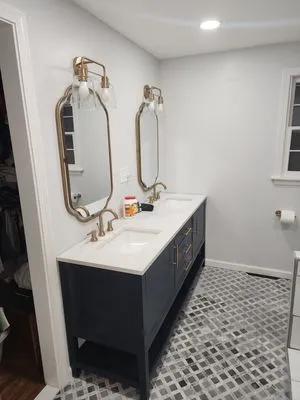
Plumbums is a licensed plumbing and heating service company serving Berlin, CT, and surrounding areas. Founded in 2022 by a fourth-generation plumber who began working with his father in 2012, the com...
JDH Plumbing & Heating is a trusted, locally-owned and operated plumbing service based right in Orange, CT. We bring reliable expertise directly to your home or business, backed by our CT state plumbi...

For over 40 years, Frank Ballaro and his team of licensed, expert mechanics have been the trusted name for plumbing, heating, and remodeling in Stratford and across Fairfield and New Haven Counties. F...

JRL Plumbing & Heating is a trusted, locally-owned plumbing service in Woodbridge, CT. We specialize in a wide range of residential plumbing and gas line services, from routine repairs to full install...
Priority Plumbing & Heating is a family-owned, Connecticut-based plumbing and heating provider with more than two decades of experience. Serving both residential and commercial clients in Ansonia and ...

Call The Bee
Call The Bee is your trusted, local HVAC and plumbing specialist in Farmington, CT. We are a licensed and insured team of factory-trained, EPA-certified technicians dedicated to keeping your home comf...

Nextlevel Plumbing is a trusted, full-service plumbing company serving Waterbury, CT, and the surrounding communities. We specialize in a comprehensive range of residential and commercial plumbing ser...
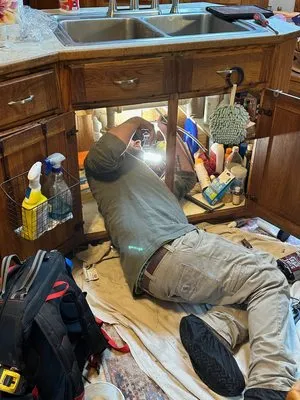
Macary’s Plumbing Services
Macary's Plumbing Services is a professional plumbing company serving Thomaston, CT, and surrounding areas. We're sized to handle any project while maintaining personal attention for every customer. O...
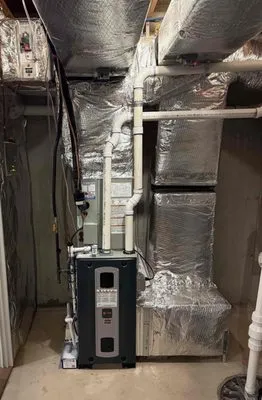
Total Mechanical Systems
Total Mechanical Systems has been Connecticut's trusted home services provider since 2002, based in Plainville and serving Hartford, New Britain, Bristol, Southington, West Hartford, and surrounding c...
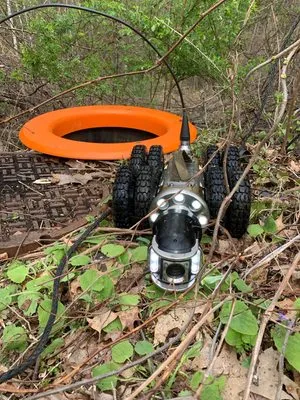
Since 1972, Savy & Sons has been the trusted, family-run choice for Amston's water management and infrastructure needs. As a third-generation business, we work alongside my brother, Ralph, to uphold t...
Estimated Plumbing Costs in Willington, CT
Frequently Asked Questions
Our house was built around 1977, and we're starting to get small leaks. Is this common for Willington homes our age?
Homes built here in 1977 are now pushing 50 years old. For copper piping of that era, you're right in the window for systemic failures. On Willington Hill, I'm seeing a lot of pinhole leaks developing in the hot water lines first, especially where pipes run through unconditioned spaces like crawlspaces. The copper has simply reached the end of its service life after decades of thermal cycling and, in our area, corrosive water. It's not a fluke; it's a predictable phase for the neighborhood's infrastructure.
Who handles the permits for a water heater replacement or a repipe in Willington?
I handle all the red tape with the Willington Building Department so you don't have to. For any significant plumbing alteration—like a repipe, water heater replacement, or new fixture installation—a permit is required. As a licensed plumber with credentials from the Connecticut Department of Consumer Protection, I pull the permits, schedule the inspections, and ensure the work meets all state and local codes. This protects your investment and is a non-negotiable part of professional work here.
What's causing these small, sudden leaks in my copper pipes?
That's likely pinhole leaks from internal corrosion, a signature failure for 1970s-era copper in our region. Over nearly five decades, minerals from the well water and the natural acidity create scale and pits inside the pipe wall. A weak spot finally gives way, often where a pipe is clamped or has a slight vibration. It starts as a spray or drip, but the surrounding metal is also compromised, so a simple patch rarely holds. Full pipe section replacement is the reliable fix.
How fast can a plumber get to me if I'm near Diana's Pool?
My dispatch route typically starts from that area. Heading past Diana's Pool onto Route 44 gives me direct access to I-84, which is the main artery for reaching most parts of Willington. Barring major traffic, that puts my average response time between 45 and 60 minutes from the call. It's a straightforward run that lets me keep a consistent schedule for the folks up on the hill and in the more rural sections.
Could the hilly land around Diana's Pool be causing my drainage issues?
Absolutely. The steep slopes common in that area put constant, uneven stress on your main sewer line as the soil shifts and settles. It can lead to bellies or separations in the pipe. Also, surface water runoff during heavy rain follows the terrain, which can overload perimeter drains and saturate the ground around your foundation, putting pressure on basement drains. Proper grading away from the house and a video inspection of your main line are wise investments on this terrain.
What's one thing I should do every spring to avoid a plumbing disaster?
Before the spring thaw fully hits, shut off and drain any exterior hose bibs that were used over winter. Our lows around 15°F can cause freeze damage that's hidden until the pipe fully warms and the ice plug melts. A split pipe on an exterior wall then leaks into your basement or crawlspace. It's a simple two-minute task: shut the interior valve, open the exterior bib to drain it, and leave it open until you're sure all risk of a hard freeze has passed.
Are there special plumbing considerations for a rural home with a well and septic system?
The main consideration is that everything is a closed, private system. A running toilet or a dripping faucet isn't just wasting city water; it's overloading your septic drain field with clear water, which can lead to premature failure. Water efficiency directly protects your septic system. Also, any work on the well side requires understanding the pressure tank and switch. You're the water company and the wastewater treatment plant, so maintenance and mindful water use are critical.
Does having a private well mean I'll replace my water heater more often?
Yes, it often does. Private well water here tends to be acidic and corrosive, which attacks the anode rod inside the tank aggressively. Once that rod is consumed, the corrosion turns to the steel tank lining itself. Without a water treatment system to correct pH, you can expect a standard tank's lifespan to be shorter—sometimes 6-8 years instead of 10-12. Installing a powered anode or a compatible dielectric union can help, but the water chemistry is the main factor.
