Top Emergency Plumbers in Suffield, CT, 06078 | Compare & Call

There are 233 plumbing companies server in Suffield CT
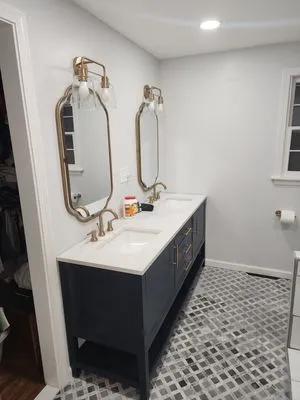
Plumbums is a licensed plumbing and heating service company serving Berlin, CT, and surrounding areas. Founded in 2022 by a fourth-generation plumber who began working with his father in 2012, the com...
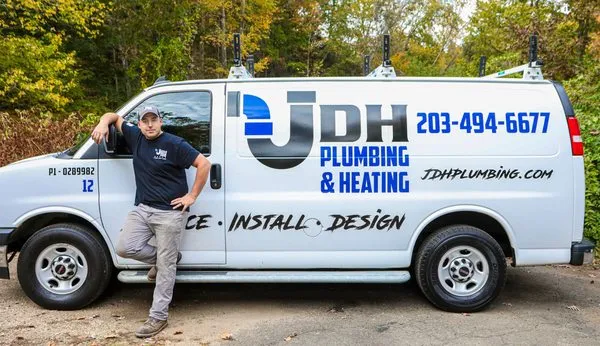
JDH Plumbing & Heating is a trusted, locally-owned and operated plumbing service based right in Orange, CT. We bring reliable expertise directly to your home or business, backed by our CT state plumbi...

For over 40 years, Frank Ballaro and his team of licensed, expert mechanics have been the trusted name for plumbing, heating, and remodeling in Stratford and across Fairfield and New Haven Counties. F...

JRL Plumbing & Heating is a trusted, locally-owned plumbing service in Woodbridge, CT. We specialize in a wide range of residential plumbing and gas line services, from routine repairs to full install...
Priority Plumbing & Heating is a family-owned, Connecticut-based plumbing and heating provider with more than two decades of experience. Serving both residential and commercial clients in Ansonia and ...

Call The Bee
Call The Bee is your trusted, local HVAC and plumbing specialist in Farmington, CT. We are a licensed and insured team of factory-trained, EPA-certified technicians dedicated to keeping your home comf...

Nextlevel Plumbing is a trusted, full-service plumbing company serving Waterbury, CT, and the surrounding communities. We specialize in a comprehensive range of residential and commercial plumbing ser...
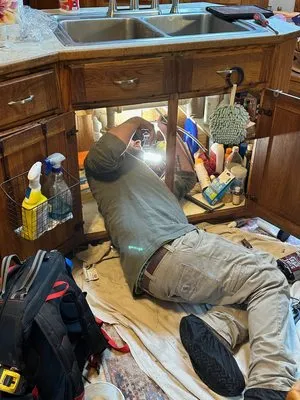
Macary’s Plumbing Services
Macary's Plumbing Services is a professional plumbing company serving Thomaston, CT, and surrounding areas. We're sized to handle any project while maintaining personal attention for every customer. O...
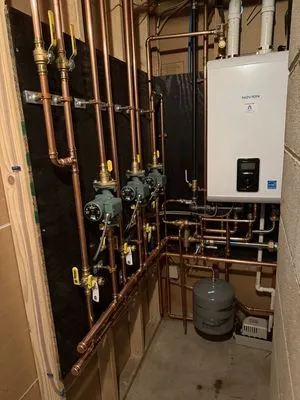
Aqua Flow Plumbing & HVAC
Aqua Flow Plumbing & HVAC is a trusted, locally-owned provider serving Southbury, CT, and surrounding communities. With over 18 years of dedicated experience, we are a fully licensed and insured team ...
Founded in New York and now serving Jewett City, CT, Samuel Plumbing And Heating brings a straightforward, reliable approach to every job. We've built our business on the principle that no plumbing pr...
Estimated Plumbing Costs in Suffield, CT
Common Questions
What should I do before spring thaw to prevent plumbing problems?
Connecticut's spring thaw brings rapid temperature shifts that stress pipes. Before temperatures consistently stay above freezing, insulate exposed pipes in crawl spaces and basements. Check your main shutoff valve works smoothly - many homeowners discover stuck valves during emergency situations. Drain outdoor spigots completely to prevent burst pipes when overnight lows still hit 17°F.
As a rural homeowner, what unique plumbing issues should I watch for?
Rural properties often have well systems and septic tanks that require different maintenance than municipal connections. Well pumps can fail from hard water scale buildup, while septic systems need regular pumping every 3-5 years. Pressure tanks may develop bladder issues that cause short cycling. Monitoring water pressure changes helps identify well system problems before they leave you without water.
What permits do I need for plumbing work in Suffield?
The Suffield Building Department requires permits for most plumbing modifications, including water heater replacements and sewer line repairs. As a Connecticut Department of Consumer Protection licensed master plumber, I handle all permit applications and inspections. This ensures your project meets current codes without you navigating bureaucratic paperwork. Proper documentation also protects your home's value during future sales.
How does Suffield's hilly terrain affect my home's drainage?
The slope around Hilltop Farm creates drainage challenges for main sewer lines. Gravity pulls wastewater downhill, but soil shifting on steep grades can misalign pipe joints over time. Heavy rain saturates the hillside soil, increasing pressure on buried pipes. Proper grading around your foundation prevents water from pooling against the house and entering basement drains.
Does Connecticut River water damage my plumbing fixtures?
Water from the Connecticut River contains minerals that create scale buildup inside pipes and appliances. Your water heater's heating elements get coated with calcium deposits, reducing efficiency by 20-30% over five years. Fixtures develop reduced flow as aerators clog with mineral particles. Installing a whole-house water softener can significantly extend your plumbing system's lifespan.
How quickly can a plumber reach my home in Suffield?
Heading past Hilltop Farm on I-91 gets me to most Suffield addresses within 30-45 minutes. I plan routes to avoid peak traffic times around Suffield Center. Knowing the back roads helps when I-91 has delays. This dispatch approach means I can assess your plumbing situation promptly when you call.
My copper pipes are from the 1980s - what should I expect as they age?
Copper pipes installed around 1980 are now about 46 years old. Homeowners in Suffield Center often notice pinhole leaks appearing in hot water lines first, especially near joints where solder has weakened. You might see small green stains on drywall or damp spots in basements. This happens because the protective lining inside the pipes wears thin over decades of water flow. Regular inspections can catch these issues before they become major leaks.
Why do my 1980s copper pipes keep developing leaks?
Copper pipes from that era often fail at joints due to calcification buildup where solder meets pipe. The solder contains lead-free alloys that can degrade over 40+ years, creating microscopic gaps. Water pressure then exploits these weak points, causing pinhole leaks. This calcification process accelerates in hard water areas like ours.
