Top Emergency Plumbers in Stonington, CT, 06378 | Compare & Call

There are 94 plumbing companies server in Stonington CT
Since 2003, Werner's Plumbing has been a trusted family-owned resource for Smithtown homeowners and businesses. I've been managing the company from the start, and what I value most is the direct conne...

Shorty's Cesspool Service Inc. is a family-owned, licensed, and insured provider serving Suffolk County from its home base in Shirley. We specialize in the complete care of your property's underground...
Roto 24/7 is a licensed, owner-operated plumbing service based in Smithtown, NY, with over 20 years of experience in the cesspool and drain industry. Available 24/7, we serve both residential and comm...
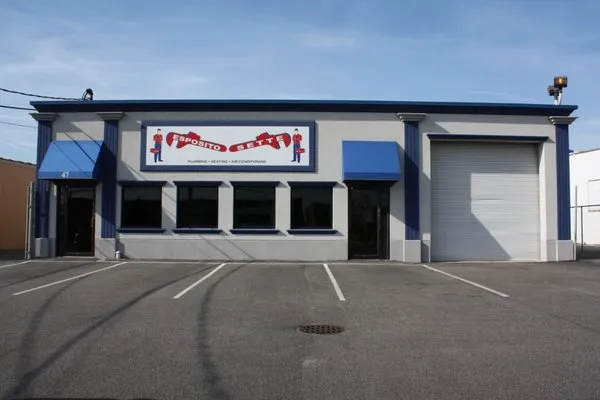
Esposito Plumbing & Heating
Esposito Plumbing & Heating has been a trusted fixture in West Babylon and across Long Island for over four decades. Founded by a tradesman who began his career at Thomas Edison Trade School, the comp...

Brightwaters Plumbing
Brightwaters Plumbing is a trusted, family-owned and operated business serving Bohemia and the surrounding communities since 1982. Founded by a father-son team, the company is now led by Master Plumbe...
For over 35 years, ASAP Construction has been a trusted, family-owned plumbing partner for Lindenhurst and the surrounding communities. As a third-generation business operating under the same ownershi...
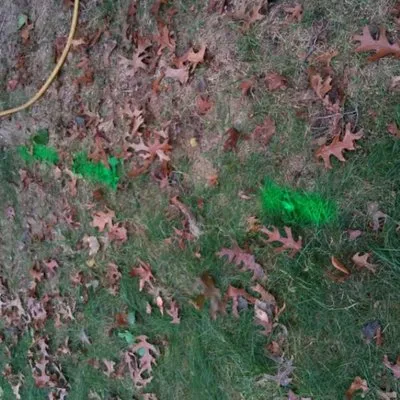
Ranger Sewer has been a trusted resource for Suffolk County homeowners since 1990, specializing in locating and servicing underground systems. The company operates throughout Long Island, including Ea...
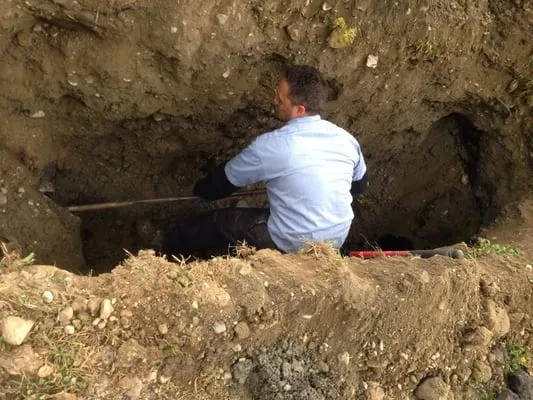
Emergency Cesspool & Sewer Cleaners Inc. is a family-owned and operated business in Ronkonkoma, built on a powerful personal mission. Our owner, a pioneering female entrepreneur in Suffolk and Nassau ...
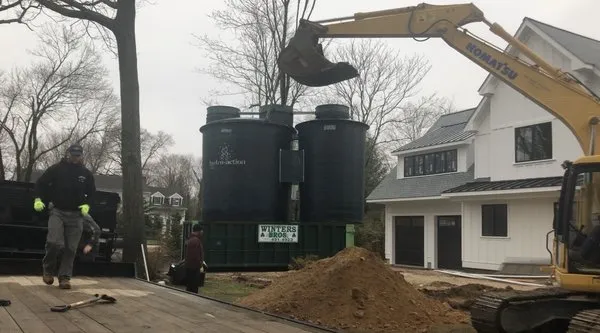
A & A Sewer and Drain Maintenance
A & A Sewer and Drain Maintenance has been serving Rocky Point and Suffolk County since 1992, with our own company established in 2011. I grew up in this business starting as a teenager and took on le...
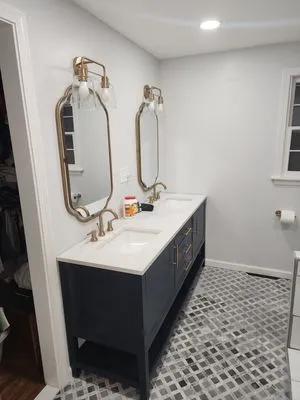
Plumbums is a licensed plumbing and heating service company serving Berlin, CT, and surrounding areas. Founded in 2022 by a fourth-generation plumber who began working with his father in 2012, the com...
Estimated Plumbing Costs in Stonington, CT
Q&A
What's the most important thing to do with my plumbing before the spring thaw?
The annual freeze-thaw cycle, with lows around 21°F, stresses every buried joint and pipe. Before the spring thaw peak, shut off and drain any exterior hose bibs from inside the house. Insulate exposed pipes in unheated crawl spaces, as these are often the first to fail when temperatures swing dramatically. This proactive check is more critical in our temperate climate than in consistently colder regions, where protection is a constant, not a seasonal, concern.
My Stonington Borough home's pipes keep clogging. Is this related to the age of the house?
Homes built around 1938 now have galvanized steel plumbing that is 88 years old. The interior of these pipes has accumulated nearly a century of mineral scale and rust, narrowing the bore to a fraction of its original size. In Stonington Borough, this typically manifests as persistent low water pressure, especially at fixtures on upper floors, and frequent clogs that standard drain cleaners cannot clear. Complete pipe failure, where sections simply disintegrate, is a common endpoint for systems at this stage.
How quickly can a plumber get to me in Stonington if I have a major leak?
Heading past Old Lighthouse Museum to connect with I-95 provides a reliable artery for reaching most of the town. From a central dispatch point, a service vehicle can typically be at your door in 25 to 35 minutes, barring major seasonal traffic on the interstate. That routing allows for a consistent response whether you're near the Borough or in the more northern sections of town.
As a suburban homeowner here, what's the biggest hidden plumbing issue I should watch for?
The primary concern in Stonington's suburban setting is the municipal service lateral—the pipe from your house to the street main. Tree roots seek out the moisture and minor leaks from aged joints, infiltrating and collapsing these lines. This often goes unnoticed until a severe backup occurs. Unlike rural properties with septic fields, the responsibility for maintaining and repairing this lateral falls entirely on the homeowner, not the town.
Could the sloping land near the coast be causing my main drain line problems?
The coastal terrain and soil composition, especially in areas like around the Old Lighthouse Museum, directly impact drainage. Slope can cause settling, which puts lateral stress on the main sewer line, leading to misaligned joints or cracks. Sandy, shifting soils common here provide less consistent support than dense clay, allowing pipes to sag over decades and create low spots that collect debris and cause recurrent blockages.
Does the local water from Gardner Lake affect my water heater's lifespan?
Water sourced from areas like Gardner Lake tends to be slightly acidic and corrosive. This accelerates the deterioration of anode rods in your water heater and can cause pitting in brass fittings and fixture internals. Over time, this leads to premature tank failure and leaks at supply valves. Installing a powered anode rod and considering whole-home pH correction can significantly mitigate this specific, locally-driven wear.
What permits are needed for a water heater replacement in Stonington, and who handles that?
The Stonington Building Department requires a permit for a water heater replacement, and the work must be performed by a plumber licensed with the Connecticut Department of Consumer Protection. As the contractor, I pull the permit, schedule the required inspections, and ensure the installation meets all current code for pressure relief and seismic strapping. This process handles the red tape so you don't have to navigate town hall procedures yourself.
Why do I have small, persistent leaks appearing in my basement pipes?
Galvanized steel from the late 1930s fails in predictable ways. Pinhole leaks are the most common symptom, caused by internal corrosion that finally eats through the pipe wall. You'll also see joint calcification, where the threaded connections become brittle and lose their seal due to decades of mineral buildup. These failures often cluster near fittings and elbows where water turbulence has accelerated the corrosion process over the last 88 years.
