Top Emergency Plumbers in Simsbury Center, CT, 06070 | Compare & Call

There are 179 plumbing companies server in Simsbury Center CT
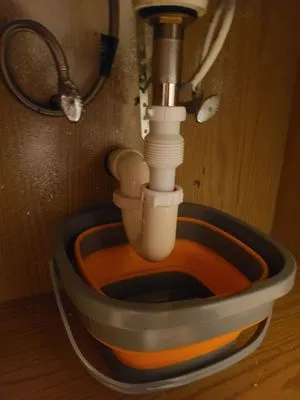
MBS Handyman Service is a Bronxville-based, licensed operation founded on resilience and deep expertise. Owner Marcial, who moved from Puerto Rico to New York in pursuit of his dreams, channels over 2...

Dan's Heating & Cooling is a Valatie-based family business built on over 47 years of combined hands-on experience. We genuinely enjoy our work and are committed to quality, professional results on eve...

Fusaro Plumbing & Heating
Fusaro Plumbing & Heating is a trusted, full-service plumbing contractor serving Bethel, CT, and the surrounding communities. We specialize in residential and commercial plumbing, offering comprehensi...
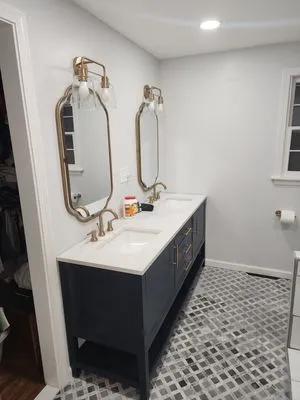
Plumbums is a licensed plumbing and heating service company serving Berlin, CT, and surrounding areas. Founded in 2022 by a fourth-generation plumber who began working with his father in 2012, the com...
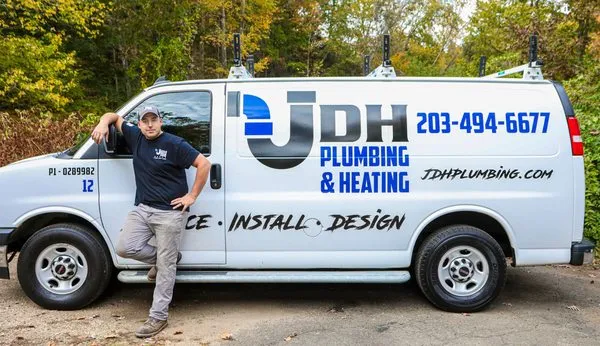
JDH Plumbing & Heating is a trusted, locally-owned and operated plumbing service based right in Orange, CT. We bring reliable expertise directly to your home or business, backed by our CT state plumbi...
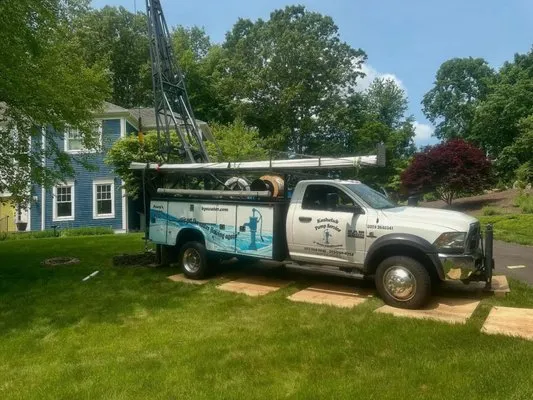
Kosheluk Pump Service & Water Conditioning
Kosheluk Pump Service & Water Conditioning is a family-owned and locally operated business that has been proudly serving Connecticut since 1995. With over 30 years of experience, we specialize in emer...

For over 40 years, Frank Ballaro and his team of licensed, expert mechanics have been the trusted name for plumbing, heating, and remodeling in Stratford and across Fairfield and New Haven Counties. F...
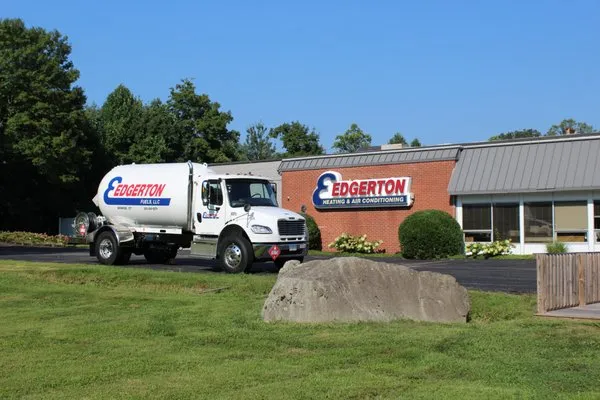
Edgerton has been a trusted name in Monroe, Connecticut, since 1956, providing reliable HVAC and plumbing services as a family-owned and operated business. We understand the unique needs of homes and ...

JRL Plumbing & Heating is a trusted, locally-owned plumbing service in Woodbridge, CT. We specialize in a wide range of residential plumbing and gas line services, from routine repairs to full install...
Priority Plumbing & Heating is a family-owned, Connecticut-based plumbing and heating provider with more than two decades of experience. Serving both residential and commercial clients in Ansonia and ...
Estimated Plumbing Costs in Simsbury Center, CT
Frequently Asked Questions
Are houses built around 1970 in Simsbury Center starting to have plumbing problems?
Copper pipes installed in 1970 are now 56 years old. We’re seeing a predictable wave of failures in Simsbury Center homes from that era. The copper has endured decades of water chemistry and pressure cycles, and homeowners are now frequently calling about pinhole leaks behind walls and under slabs. It’s not a matter of if, but when, these original lines will need attention or replacement.
Does hard water from the Farmington River ruin water heaters faster?
Water drawn from the Farmington River is hard, meaning it’s high in minerals like calcium and magnesium. Inside your water heater, these minerals precipitate out as scale, coating the heating elements and tank lining. This insulating layer forces the heater to work harder, increasing energy costs, and the buildup accelerates corrosion, significantly shortening the tank’s lifespan compared to areas with soft water.
Why do my copper pipes from the 70s keep getting pinhole leaks?
Copper pipe from that period is susceptible to a process called dezincification or erosion-corrosion, especially with our local water. After 50-plus years, the interior wall of the pipe weakens in spots. Combined with water pressure and mineral content, this creates pinhole failures. It often starts at soldered joints or where pipes contact dissimilar metals without proper dielectric unions.
How fast can a plumber get to my house in Simsbury Center?
Heading past Talcott Mountain State Park on US Route 202 gets me into the heart of Simsbury Center. That’s my main dispatch route. Barring heavy traffic or a major storm, I can typically be on site within 20 to 30 minutes from receiving the call. Knowing these roads helps me plan for the quickest approach to your neighborhood.
As a suburban homeowner, what’s my biggest risk for a sewer backup?
In a suburban setting like ours with mature trees, the most common culprit is root intrusion into the lateral sewer line. Tree roots seek moisture and can infiltrate the pipe through even a hairline crack at a joint. Once inside, they form a dense mat that catches everything, leading to slow drains and eventual complete blockages. Regular camera inspections can catch this before it causes a backup into your home.
Could the hilly land around here be causing my main drain line problems?
The slope of the land near Talcott Mountain State Park is a factor. A house built on a hillside often has a long, horizontal main sewer lateral running to the street connection. Over decades, that lateral can settle or shift due to soil movement, creating low spots that collect waste and cause repeated clogs. The grade also puts different stress points on the pipe, making it more prone to root intrusion or joint separation.
What’s one thing I should do every spring to avoid a plumbing disaster in Simsbury?
Before the spring thaw fully hits, walk your property and check any exposed pipes in crawl spaces or your basement. Look for condensation or the slightest dampness, which can indicate a crack from the winter freeze. Our lows can hit 17°F, and even a small undetected split can become a major leak once the water in the pipe fully thaws and pressure returns.
Do I need a permit from the town to replace my water heater?
Yes, the Simsbury Building Department requires a permit for water heater replacements to ensure proper venting and safety codes are met. As a licensed plumber with credentials from the Connecticut Department of Consumer Protection, I handle pulling that permit, scheduling the inspection, and dealing with the red tape. My license means the work is documented and compliant, so you don’t have to navigate the process yourself.
