Top Emergency Plumbers in Sherwood Manor, CT, 06082 | Compare & Call

There are 147 plumbing companies server in Sherwood Manor CT
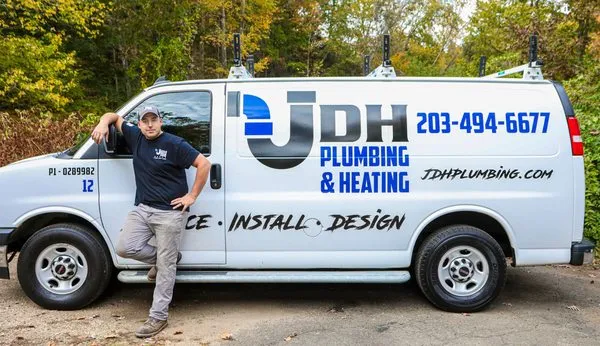
JDH Plumbing & Heating is a trusted, locally-owned and operated plumbing service based right in Orange, CT. We bring reliable expertise directly to your home or business, backed by our CT state plumbi...

JRL Plumbing & Heating is a trusted, locally-owned plumbing service in Woodbridge, CT. We specialize in a wide range of residential plumbing and gas line services, from routine repairs to full install...

Priority Plumbing & Heating is a family-owned, Connecticut-based plumbing and heating provider with more than two decades of experience. Serving both residential and commercial clients in Ansonia and ...

Call The Bee
Call The Bee is your trusted, local HVAC and plumbing specialist in Farmington, CT. We are a licensed and insured team of factory-trained, EPA-certified technicians dedicated to keeping your home comf...

Nextlevel Plumbing is a trusted, full-service plumbing company serving Waterbury, CT, and the surrounding communities. We specialize in a comprehensive range of residential and commercial plumbing ser...
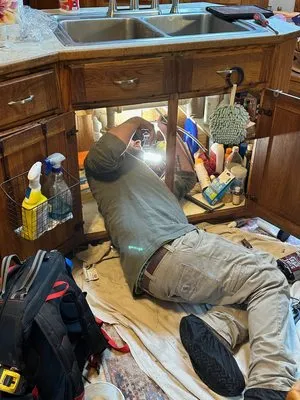
Macary’s Plumbing Services
Macary's Plumbing Services is a professional plumbing company serving Thomaston, CT, and surrounding areas. We're sized to handle any project while maintaining personal attention for every customer. O...
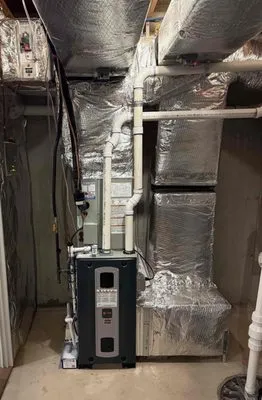
Total Mechanical Systems
Total Mechanical Systems has been Connecticut's trusted home services provider since 2002, based in Plainville and serving Hartford, New Britain, Bristol, Southington, West Hartford, and surrounding c...
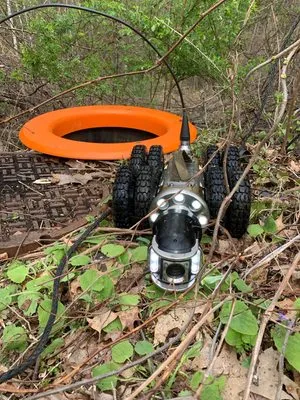
Since 1972, Savy & Sons has been the trusted, family-run choice for Amston's water management and infrastructure needs. As a third-generation business, we work alongside my brother, Ralph, to uphold t...
Jim Gaffney & Son's Plumbing is a trusted, family-owned plumbing service serving Milford, CT, and the surrounding communities. With decades of experience, we specialize in a comprehensive range of plu...
T Power House Building & Remodeling is an East Hartford home improvement company built on decades of collective trade experience. We offer a wide range of services, from appliance repair and furniture...
Estimated Plumbing Costs in Sherwood Manor, CT
Questions and Answers
How quickly can a plumber get to my home in Sherwood Manor for an emergency?
My typical dispatch route starts from the Connecticut River valley. Heading past the river on I-91 north puts me directly into the Sherwood area. For urgent calls, my target is a 30 to 45 minute window from the time you call to my truck pulling up. Traffic on the interstate is the main variable, but that route is reliable for a fast response.
How long do copper pipes typically last in a house built in the late 1960s like mine in Sherwood Heights?
Copper pipes installed around 1967 are now about 59 years old. This is the age where we commonly see the wall thickness begin to fail, especially at soldered joints and elbows. Homeowners in Sherwood Manor and the Heights often call us about a persistent damp spot on a ceiling or a small, steady drip inside a wall cavity. The metal has simply worn thin from decades of water flow and mineral interaction.
Does the Connecticut River water cause problems for my home's plumbing?
Water sourced from or influenced by the Connecticut River tends to be hard, meaning it has a high mineral content. This leads to scale buildup inside pipes, water heaters, and faucet aerators. In a water heater, that scale acts as an insulator, forcing the unit to work harder and fail sooner. You'll notice it as reduced flow from fixtures and a shorter lifespan for appliances.
As a suburban homeowner here, what should I know about my sewer line?
In a suburban setting like Sherwood Manor, you are responsible for the sewer lateral from your house to the municipal main under the street. The most common issue we find is root intrusion from mature trees seeking water. These roots can enter through even a hairline crack in the older pipe, creating a dense blockage that requires professional jetting or cutting to clear. It's a routine maintenance item for older properties.
Do I need a permit to replace my water heater, and how does that work?
Yes, the Hartford Building Department requires a permit for water heater replacements. As a licensed master plumber, I handle pulling that permit and scheduling the required inspections. My license is issued and regulated by the Connecticut Department of Consumer Protection. This process ensures the work meets current code for safety and efficiency, and I manage the red tape so you don't have to.
What's the most important thing to do for my plumbing before spring in this area?
The critical task is to disconnect and drain any outdoor garden hoses before the first hard freeze, which can dip near 19 degrees. A frozen hose bib can burst the water line inside your wall. Also, know the location of your main water shut-off valve. During the spring thaw, ground shift can stress older pipes, and being able to quickly stop the water limits damage if a leak occurs.
Could the hilly land near the river be causing my drainage issues?
Yes, the slope of the land here directly impacts drainage. Surface water naturally wants to flow toward the Connecticut River basin. If your home's foundation drain or yard drainage isn't correctly channeling that flow, it can saturate the soil around your main sewer lateral. This saturated, shifting ground puts constant stress on the pipe, which can lead to cracks, misalignment, and eventual blockages or infiltration.
Why do my copper pipes from the 60s keep getting pinhole leaks?
Pinhole leaks in 1960s copper are often due to a combination of age and local water chemistry. Over nearly six decades, microscopic erosion from mineral content and slight acidity in the water can wear through the pipe wall from the inside. The failure usually starts as a tiny, focused pit that eventually penetrates, causing that familiar, frustrating drip. It's a predictable failure mode for copper of this vintage.
