Top Emergency Plumbers in Scotland, CT, 06247 | Compare & Call

There are 157 plumbing companies server in Scotland CT
Since 2003, Werner's Plumbing has been a trusted family-owned resource for Smithtown homeowners and businesses. I've been managing the company from the start, and what I value most is the direct conne...
Roto 24/7 is a licensed, owner-operated plumbing service based in Smithtown, NY, with over 20 years of experience in the cesspool and drain industry. Available 24/7, we serve both residential and comm...
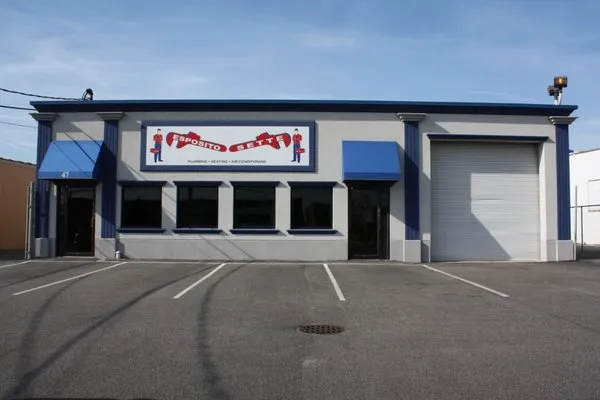
Esposito Plumbing & Heating
Esposito Plumbing & Heating has been a trusted fixture in West Babylon and across Long Island for over four decades. Founded by a tradesman who began his career at Thomas Edison Trade School, the comp...

Brightwaters Plumbing
Brightwaters Plumbing is a trusted, family-owned and operated business serving Bohemia and the surrounding communities since 1982. Founded by a father-son team, the company is now led by Master Plumbe...
For over 35 years, ASAP Construction has been a trusted, family-owned plumbing partner for Lindenhurst and the surrounding communities. As a third-generation business operating under the same ownershi...
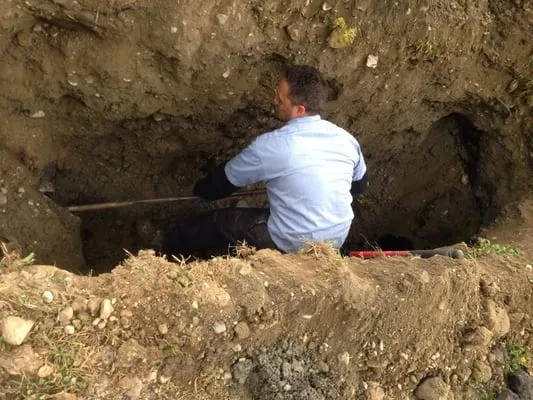
Emergency Cesspool & Sewer Cleaners Inc. is a family-owned and operated business in Ronkonkoma, built on a powerful personal mission. Our owner, a pioneering female entrepreneur in Suffolk and Nassau ...
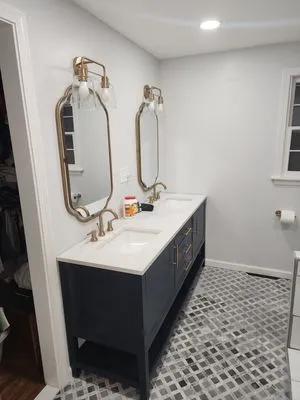
Plumbums is a licensed plumbing and heating service company serving Berlin, CT, and surrounding areas. Founded in 2022 by a fourth-generation plumber who began working with his father in 2012, the com...
JDH Plumbing & Heating is a trusted, locally-owned and operated plumbing service based right in Orange, CT. We bring reliable expertise directly to your home or business, backed by our CT state plumbi...
For over 40 years, Frank Ballaro and his team of licensed, expert mechanics have been the trusted name for plumbing, heating, and remodeling in Stratford and across Fairfield and New Haven Counties. F...
Just In Time Mechanical
Just In Time Mechanical is a trusted, locally-owned plumbing company serving East Haven and the surrounding communities. Founded in 2014 by Justin Golia and Vincent Affinito, the business is built on ...
Estimated Plumbing Costs in Scotland, CT
FAQs
How quickly can a plumber reach my home in Scotland?
Heading past Ames Hollow on Route 97, most service calls in Scotland take 45-60 minutes from dispatch. The rural roads and hilly terrain require careful navigation, especially during spring thaw when conditions change rapidly. We plan routes to minimize travel time while maintaining safety standards for both our technicians and your property.
Does Scotland's acidic well water damage plumbing fixtures?
Acidic well water accelerates corrosion in water heaters and fixtures throughout Scotland homes. The low pH attacks metal components, causing premature failure of anode rods in water heaters and pitting in faucet valves. Installing a whole-house neutralizer or using dielectric unions at connections can extend the lifespan of your plumbing system significantly.
As a rural Scotland homeowner, what unique plumbing concerns should I watch for?
Rural Scotland properties with private wells and septic systems require attention to both water supply and wastewater management. Well pump failures can leave you without water, while septic system backups often indicate drainage field issues. Maintain clear access to your well head and septic tank lid for service, and consider installing a backup generator for critical pump systems during extended power outages.
What should I do before spring thaw to prevent plumbing problems?
Before temperatures drop to 17°F and spring thaw begins, disconnect and drain outdoor hoses, then shut off exterior water valves. Insulate pipes in unheated crawl spaces and check for drafts near plumbing lines. Monitor your well pump's pressure switch during rapid temperature changes, as frozen ground can shift pipes and create stress points.
How does Scotland's hilly terrain affect my main water line?
The slope around Ames Hollow creates gravitational stress on main water lines running to homes. Downhill sections experience increased pressure that can weaken joints over time, while uphill sections may develop air pockets that reduce flow. Soil erosion on hillsides can expose or shift buried pipes, making regular inspection of your main line entry point particularly important in this terrain.
Who handles permits for plumbing work in Scotland?
I coordinate directly with the Scotland Building Department for all required permits and handle Connecticut Department of Consumer Protection documentation. This includes well modifications, septic system repairs, and major plumbing installations. Managing this red tape ensures your project meets local codes while protecting your investment from compliance issues that could arise during future property transfers.
My copper pipes are from 1978 - what should I expect at this age in Scotland?
Copper pipes installed around 1978 are now 48 years old. Homeowners in Scotland Center often notice increased frequency of pinhole leaks and joint calcification at this stage. The copper has experienced decades of water flow and mineral interaction, making it more brittle. Regular inspections of visible piping in basements and crawl spaces can help catch issues before they become emergencies.
Why do my 1978 copper pipes keep developing pinhole leaks?
Copper pipes from that era often develop pinhole leaks due to decades of internal corrosion and scale buildup. The thin walls of Type M copper commonly used in 1978 construction become vulnerable to acidic water conditions over time. These leaks typically start at joints or areas with turbulent water flow, then gradually expand until they require repair or replacement.
