Top Emergency Plumbers in Preston, CT, 06365 | Compare & Call

There are 220 plumbing companies server in Preston CT
Since 2003, Werner's Plumbing has been a trusted family-owned resource for Smithtown homeowners and businesses. I've been managing the company from the start, and what I value most is the direct conne...

Shorty's Cesspool Service Inc. is a family-owned, licensed, and insured provider serving Suffolk County from its home base in Shirley. We specialize in the complete care of your property's underground...
Roto 24/7 is a licensed, owner-operated plumbing service based in Smithtown, NY, with over 20 years of experience in the cesspool and drain industry. Available 24/7, we serve both residential and comm...
Elmhurst Plumbing Heating and Cooling
Adrian, the owner of Elmhurst Plumbing Heating and Cooling, brings over 20 years of hands-on experience in both residential and commercial plumbing, heating, and cooling to every job in Queens. His di...
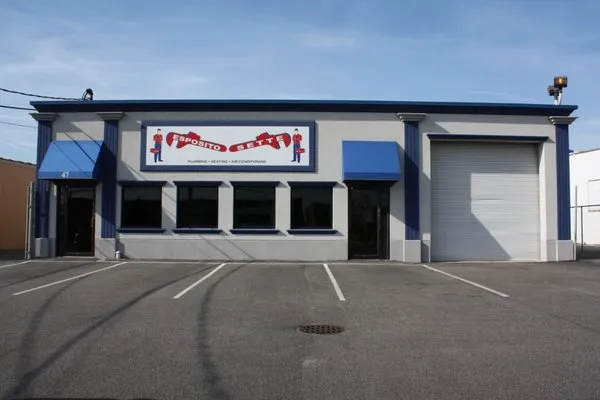
Esposito Plumbing & Heating
Esposito Plumbing & Heating has been a trusted fixture in West Babylon and across Long Island for over four decades. Founded by a tradesman who began his career at Thomas Edison Trade School, the comp...

Brightwaters Plumbing
Brightwaters Plumbing is a trusted, family-owned and operated business serving Bohemia and the surrounding communities since 1982. Founded by a father-son team, the company is now led by Master Plumbe...
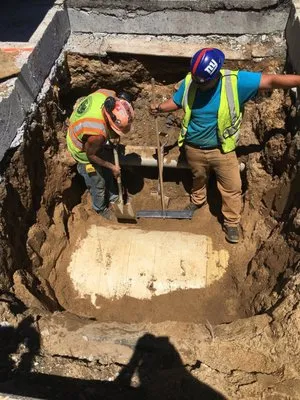
For over 35 years, ASAP Construction has been a trusted, family-owned plumbing partner for Lindenhurst and the surrounding communities. As a third-generation business operating under the same ownershi...
Ranger Sewer has been a trusted resource for Suffolk County homeowners since 1990, specializing in locating and servicing underground systems. The company operates throughout Long Island, including Ea...
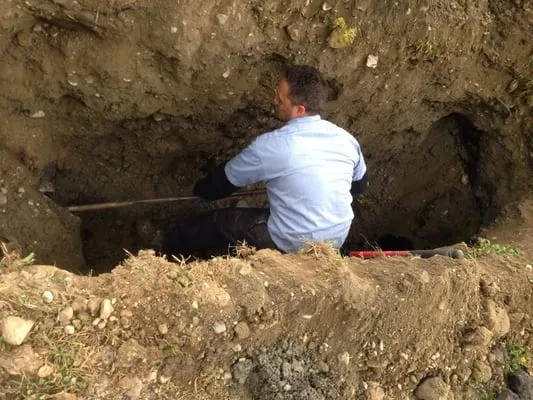
Emergency Cesspool & Sewer Cleaners Inc. is a family-owned and operated business in Ronkonkoma, built on a powerful personal mission. Our owner, a pioneering female entrepreneur in Suffolk and Nassau ...
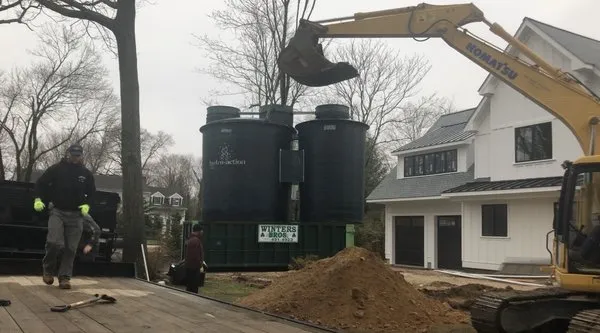
A & A Sewer and Drain Maintenance
A & A Sewer and Drain Maintenance has been serving Rocky Point and Suffolk County since 1992, with our own company established in 2011. I grew up in this business starting as a teenager and took on le...
Estimated Plumbing Costs in Preston, CT
FAQs
How does rural living in Preston affect my septic and well systems?
Rural Preston properties with private wells and septic systems require different maintenance than municipal-connected homes. Well pumps need regular inspection since they're the sole water source, and pressure tank failures can leave you without water. Septic systems in hilly areas may need additional drainage considerations to prevent backups. These systems operate independently, so proactive maintenance prevents compound failures.
How old are the copper pipes in Preston homes and what should I expect at this age?
Copper plumbing in Preston was typically installed around 1976, making it 50 years old in 2026. At this age, homeowners often notice pinhole leaks developing in pipe walls, especially near joints where solder has weakened. Scale buildup from decades of mineral deposits can reduce water pressure throughout the house. Many Preston City residents are now facing their first major plumbing replacements since original construction.
Who handles permits for plumbing work in Preston?
The Preston Building Department oversees local permits while Connecticut Department of Consumer Protection licenses all plumbing professionals. I manage this paperwork directly, submitting plans that meet both municipal codes and state regulations. This includes well and septic modifications that require specific approvals in rural areas. Handling the red tape ensures your project proceeds without compliance delays.
Does well water damage plumbing fixtures in Preston homes?
Private wells in Preston often supply acidic water that corrodes plumbing components over time. This corrosive water eats through water heater anode rods faster than municipal water would, leaving tanks vulnerable to rust. Fixtures develop blue-green staining from copper corrosion, and rubber washers in faucets deteriorate prematurely. Installing a whole-house neutralizer can extend your plumbing system's lifespan significantly.
How quickly can a plumber reach my home in Preston?
Heading past Avery-Copp House on I-395, we can access most Preston locations within 45-60 minutes. The route follows I-395 north or south depending on your neighborhood, then uses local roads that connect to residential areas. This dispatch path avoids congestion around commercial centers while maintaining efficient travel times across Preston's spread-out communities.
How does Preston's hilly terrain affect my home's plumbing?
Hilly areas around Avery-Copp House create drainage challenges that stress main water lines. Gravity pulls water downward through the system, increasing pressure on lower-elevation pipes and fixtures. Soil erosion on slopes can expose buried lines to temperature extremes and physical damage. Proper grading around your foundation prevents water from pooling near the main entry point, reducing corrosion risk.
Why do my 1970s copper pipes keep springing leaks?
Copper pipes from the 1970s often develop pinhole leaks due to decades of internal corrosion and thermal stress. The solder joints connecting sections become brittle over time, allowing microscopic gaps to form. Scale accumulation inside pipes creates uneven pressure points that eventually wear through the copper. These failures typically appear first in hot water lines and areas with frequent temperature changes.
What should I do before spring thaw to prevent plumbing problems?
Before temperatures rise above freezing consistently, check all exposed pipes for insulation gaps. Disconnect garden hoses and drain outdoor faucets to prevent backflow into interior lines. Monitor your water pressure during thaw periods since expanding ice can create hairline cracks that manifest as pressure changes. These simple checks in late winter help identify vulnerabilities before they become emergencies.
