Top Emergency Plumbers in Portland, CT, 06480 | Compare & Call

There are 212 plumbing companies server in Portland CT
Since 2003, Werner's Plumbing has been a trusted family-owned resource for Smithtown homeowners and businesses. I've been managing the company from the start, and what I value most is the direct conne...

Shorty's Cesspool Service Inc. is a family-owned, licensed, and insured provider serving Suffolk County from its home base in Shirley. We specialize in the complete care of your property's underground...
Roto 24/7 is a licensed, owner-operated plumbing service based in Smithtown, NY, with over 20 years of experience in the cesspool and drain industry. Available 24/7, we serve both residential and comm...
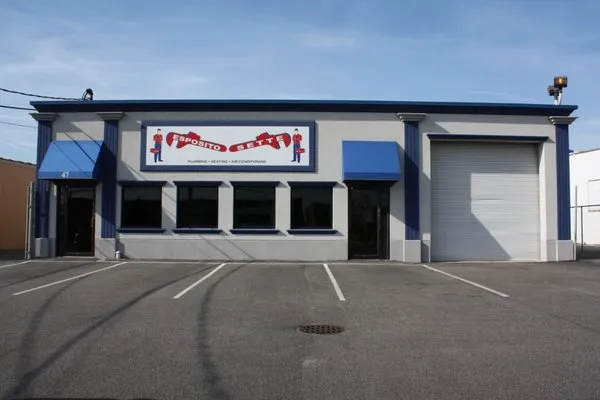
Esposito Plumbing & Heating
Esposito Plumbing & Heating has been a trusted fixture in West Babylon and across Long Island for over four decades. Founded by a tradesman who began his career at Thomas Edison Trade School, the comp...

Brightwaters Plumbing
Brightwaters Plumbing is a trusted, family-owned and operated business serving Bohemia and the surrounding communities since 1982. Founded by a father-son team, the company is now led by Master Plumbe...
Hamilton Heights Plumbing and Heating
Hamilton Heights Plumbing and Heating is a family-operated plumbing and heating service based in Manhattan, NY, with over two decades of expertise. Founded by master plumber Matthew, who is supported ...

Quick Response is a licensed plumbing service provider based in Port Chester, NY, serving both Connecticut and New York areas. We offer a comprehensive range of plumbing solutions, from routine instal...
For over 35 years, ASAP Construction has been a trusted, family-owned plumbing partner for Lindenhurst and the surrounding communities. As a third-generation business operating under the same ownershi...
Cross Joint Plumbing and Heating
Cross Joint Plumbing and Heating is a trusted local plumbing service in Mahopac, NY, founded in 2010 by a plumber with over two decades of experience. Starting his career in 2001 under a Westchester m...

Milton Plumbing and Heating is a licensed and bonded plumbing and heating service company serving Rye, NY, with over a hundred years of combined experience. Accredited by organizations like Gas Safe a...
Estimated Plumbing Costs in Portland, CT
Frequently Asked Questions
What causes those tiny leaks in old Portland pipes?
Galvanized steel pipes from 1955 develop pinhole leaks when corrosion eats through the pipe wall from the inside out. As the zinc coating deteriorates, exposed steel reacts with minerals in Connecticut River water, creating weak spots that eventually perforate. These leaks often start in horizontal runs where sediment accumulates, accelerating corrosion. Joint calcification also occurs where threaded connections restrict flow, causing mineral buildup that stresses adjacent pipe sections.
Why are so many Portland homes having plumbing problems right now?
Portland's galvanized steel pipes were installed around 1955, making them 71 years old in 2026. Galvanized steel has a typical lifespan of 50-70 years, so many systems in Portland Center are now failing simultaneously. Homeowners are seeing widespread low water pressure, discolored water, and frequent leaks as the interior zinc coating has completely corroded away. This isn't random bad luck—it's predictable infrastructure aging that affects entire neighborhoods built during that period.
Do tree roots affect plumbing in suburban Portland?
Suburban Portland properties often have mature trees whose roots seek water sources, including small cracks in sewer laterals. Municipal water pressure here averages 60-70 PSI, which is sufficient for most homes but can stress aging galvanized pipes. Roots typically invade at pipe joints or corrosion points, creating blockages that back up into basements. If you have large trees near your sewer cleanout, consider having the lateral camera-inspected every few years to catch root intrusion early.
Could my home's hillside location cause plumbing issues?
Portland's hilly terrain, especially near the old quarries, puts constant stress on main water lines. Gravity pulls soil downhill over decades, gradually bending and stressing buried pipes. Steep slopes also accelerate drainage, which can leave pipe bedding unstable during heavy rains. If your home sits on a slope, check for foundation cracks or uneven settling that might indicate underground pipe movement. These conditions often cause leaks at service entry points where pipes transition from municipal to residential systems.
Does Connecticut River water damage my water heater?
Connecticut River's slightly acidic water accelerates corrosion in water heater tanks and fixtures. The acidity dissolves protective mineral layers inside tanks, exposing bare metal to constant attack. Over 5-10 years, this can thin tank walls by 30-40%, leading to premature failure. Installing a dielectric union between dissimilar metals and maintaining proper anode rod protection becomes critical in Portland homes. Without these measures, you might replace water heaters every 8 years instead of the typical 12-15.
What permits do I need for a Portland plumbing repair?
The Portland Building Department requires permits for water heater replacements, sewer line repairs, and any work affecting the main water supply. As a Connecticut Department of Consumer Protection licensed master plumber, I handle the permit applications, inspections, and paperwork. You won't need to visit town hall or navigate code requirements—I manage the red tape so your project meets all local and state regulations. Proper permitting also ensures future buyers see documented, legal improvements.
How quickly can a plumber reach my home in Portland?
Heading past Portland Brownstone Quarries on Route 17 gets me into most residential areas within 20-30 minutes. Route 17 provides direct access to both historic neighborhoods and newer developments. I keep my truck stocked with common replacement parts for galvanized systems, so I can often diagnose and begin repairs during that first visit. Knowing the local routes means less time navigating and more time fixing your problem.
When should I winterize my Portland plumbing?
Portland's 19°F winter lows mean you need to prepare before the first hard freeze, typically by mid-November. Spring thaw creates the highest risk for leaks as frozen pipes thaw and expanded joints contract. A pro-tip: insulate pipes in crawl spaces and exterior walls, but also drain and shut off outdoor spigots before temperatures drop. During thaw cycles, check basement and crawl space pipes for new drips—that's when hidden freeze damage often reveals itself.
