Top Emergency Plumbers in Pawcatuck, CT, 06379 | Compare & Call

There are 89 plumbing companies server in Pawcatuck CT
Since 2003, Werner's Plumbing has been a trusted family-owned resource for Smithtown homeowners and businesses. I've been managing the company from the start, and what I value most is the direct conne...

Shorty's Cesspool Service Inc. is a family-owned, licensed, and insured provider serving Suffolk County from its home base in Shirley. We specialize in the complete care of your property's underground...
Roto 24/7 is a licensed, owner-operated plumbing service based in Smithtown, NY, with over 20 years of experience in the cesspool and drain industry. Available 24/7, we serve both residential and comm...
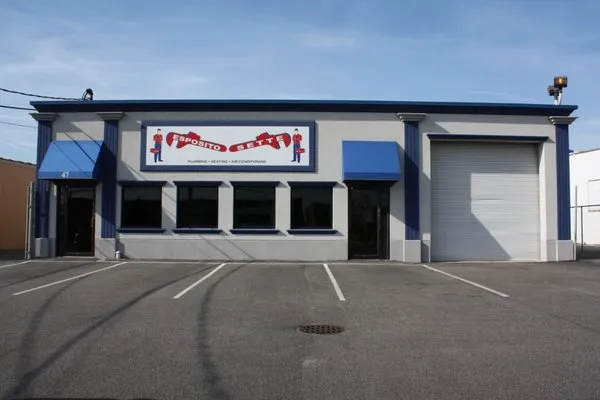
Esposito Plumbing & Heating
Esposito Plumbing & Heating has been a trusted fixture in West Babylon and across Long Island for over four decades. Founded by a tradesman who began his career at Thomas Edison Trade School, the comp...
Ranger Sewer has been a trusted resource for Suffolk County homeowners since 1990, specializing in locating and servicing underground systems. The company operates throughout Long Island, including Ea...
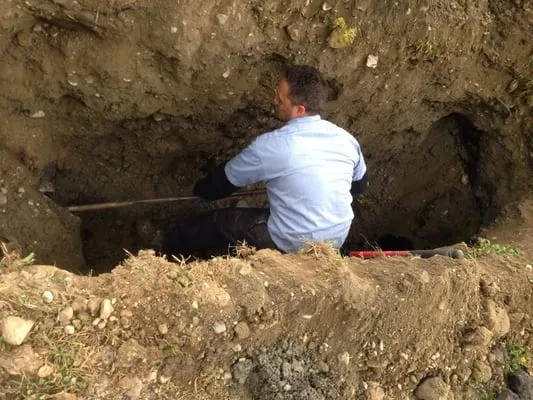
Emergency Cesspool & Sewer Cleaners Inc. is a family-owned and operated business in Ronkonkoma, built on a powerful personal mission. Our owner, a pioneering female entrepreneur in Suffolk and Nassau ...
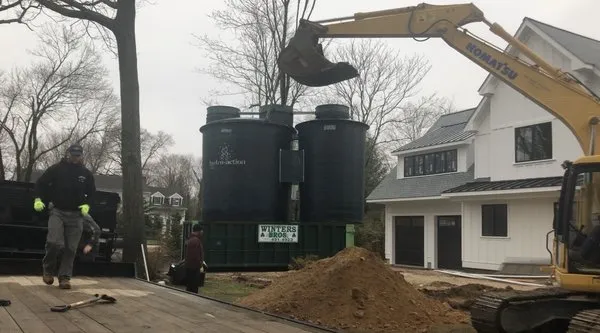
A & A Sewer and Drain Maintenance
A & A Sewer and Drain Maintenance has been serving Rocky Point and Suffolk County since 1992, with our own company established in 2011. I grew up in this business starting as a teenager and took on le...
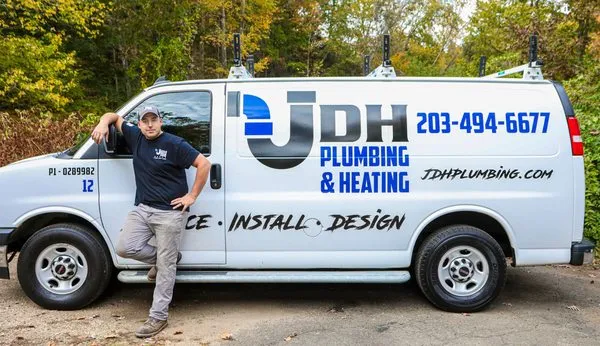
JDH Plumbing & Heating is a trusted, locally-owned and operated plumbing service based right in Orange, CT. We bring reliable expertise directly to your home or business, backed by our CT state plumbi...

JRL Plumbing & Heating is a trusted, locally-owned plumbing service in Woodbridge, CT. We specialize in a wide range of residential plumbing and gas line services, from routine repairs to full install...
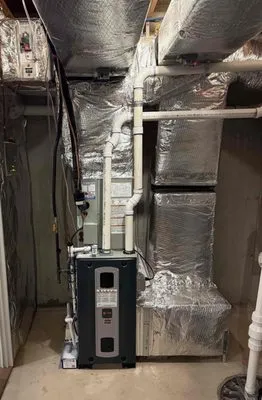
Total Mechanical Systems
Total Mechanical Systems has been Connecticut's trusted home services provider since 2002, based in Plainville and serving Hartford, New Britain, Bristol, Southington, West Hartford, and surrounding c...
Estimated Plumbing Costs in Pawcatuck, CT
Q&A
My Pawcatuck home was built around 1960. What kind of plumbing problems should I expect now?
Your copper plumbing is about 66 years old, which is near the end of its typical service life for this area. In Pawcatuck Village, we're seeing a consistent pattern: pipes that have become paper-thin from decades of corrosion are starting to fail. You might notice pinhole leaks appearing in walls or ceilings, or a persistent drop in water pressure from scale buildup narrowing the pipe's interior. This isn't a matter of if, but when a section will need replacement.
What permits are needed for a repipe or water heater install in Stonington?
Any major plumbing replacement requires a permit from the Stonington Building Department and a final inspection. As a Master Plumber licensed by the Connecticut Department of Consumer Protection, handling that red tape is part of the job. I pull the permits, schedule the inspections, and ensure the work meets all current code—like required dielectric unions between copper and steel to prevent galvanic corrosion. You get the paperwork filed correctly without having to navigate town hall yourself.
What's the most important spring plumbing task for Pawcatuck's climate?
Before the spring thaw hits its peak, disconnect and drain your outdoor garden hoses. When overnight lows still dip to around 22°F, a forgotten hose can cause water to back up and freeze in your exterior faucet or the pipe just inside the wall. That ice expansion is a common cause of burst pipes in our temperate climate. A simple five-minute task in late winter prevents a costly repair when the thaw reveals the crack.
How long does it take for a plumber to get to my house in an emergency in Pawcatuck?
From our shop, a dispatch route typically heads past the Pawcatuck River and onto I-95 to reach most neighborhoods. Barring major traffic, that's a 20 to 30 minute drive. We plan routes knowing that a quick response is critical for water damage, so we keep trucks stocked with common parts for Pawcatuck's older copper systems to address the issue immediately upon arrival.
Why do my copper pipes keep springing pinhole leaks?
Copper pipes installed in the 1960s are prone to pinhole leaks due to a process called Type 2 pitting corrosion. Over 60-plus years, the protective mineral layer inside the pipe breaks down, especially in our soft, corrosive water. This allows microscopic pits to form, which eventually penetrate the wall. The leaks often cluster in horizontal runs behind walls or under floors, where water sits and the corrosive reaction accelerates.
Could the slope of my yard near the Pawcatuck River be causing drainage issues?
Coastal terrain and the sandy, shifting soils common here absolutely affect drainage. A slope toward your foundation can direct surface water and groundwater against your basement walls, stressing sump pumps and drains. More critically, this same soil movement can put lateral stress on your underground main water line, potentially causing the older copper pipe to flex and fail at a fitting. Proper grading is a first line of defense.
I'm on town water in Pawcatuck. Why is my pressure so low sometimes?
In our suburban setting, low pressure often points to two issues. First, the municipal pressure is fine, but decades of scale buildup inside your 1960s-era copper pipes has drastically reduced the flow diameter. Second, if you have mature trees, their roots may have infiltrated the service lateral—the pipe from the street to your house—obstructing flow. A pressure test can isolate whether the problem is inside your home's plumbing or in the buried lateral line.
Does the soft water from Gardner Lake damage my water heater?
Yes, it can. Soft, corrosive water is aggressive to metal. In your water heater, it attacks the anode rod—the sacrificial component designed to protect the tank—at a much faster rate. Once that rod is consumed, the corrosion attacks the steel tank itself, leading to premature failure. For homes in this area, checking and replacing the anode rod every 3-5 years is not just maintenance; it's essential for extending the tank's life.
