Top Emergency Plumbers in Long Hill, CT, 06340 | Compare & Call

There are 118 plumbing companies server in Long Hill CT
Since 2003, Werner's Plumbing has been a trusted family-owned resource for Smithtown homeowners and businesses. I've been managing the company from the start, and what I value most is the direct conne...

Shorty's Cesspool Service Inc. is a family-owned, licensed, and insured provider serving Suffolk County from its home base in Shirley. We specialize in the complete care of your property's underground...
Roto 24/7 is a licensed, owner-operated plumbing service based in Smithtown, NY, with over 20 years of experience in the cesspool and drain industry. Available 24/7, we serve both residential and comm...
Elmhurst Plumbing Heating and Cooling
Adrian, the owner of Elmhurst Plumbing Heating and Cooling, brings over 20 years of hands-on experience in both residential and commercial plumbing, heating, and cooling to every job in Queens. His di...
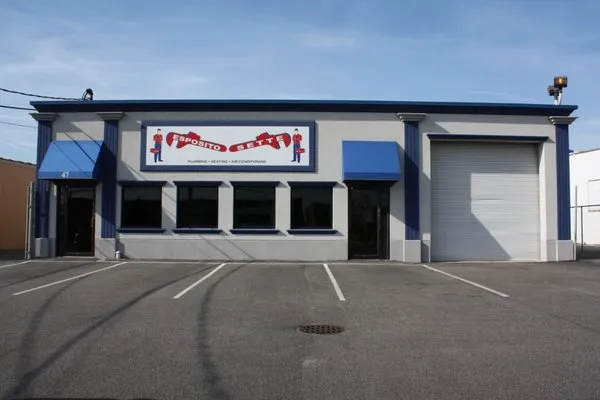
Esposito Plumbing & Heating
Esposito Plumbing & Heating has been a trusted fixture in West Babylon and across Long Island for over four decades. Founded by a tradesman who began his career at Thomas Edison Trade School, the comp...

Brightwaters Plumbing
Brightwaters Plumbing is a trusted, family-owned and operated business serving Bohemia and the surrounding communities since 1982. Founded by a father-son team, the company is now led by Master Plumbe...
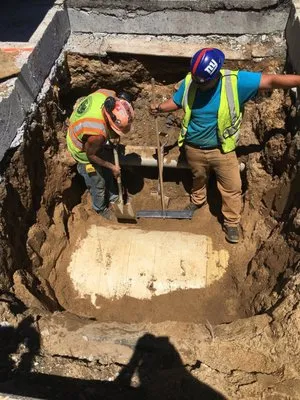
For over 35 years, ASAP Construction has been a trusted, family-owned plumbing partner for Lindenhurst and the surrounding communities. As a third-generation business operating under the same ownershi...
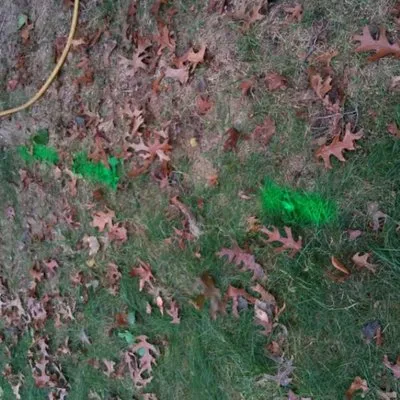
Ranger Sewer has been a trusted resource for Suffolk County homeowners since 1990, specializing in locating and servicing underground systems. The company operates throughout Long Island, including Ea...
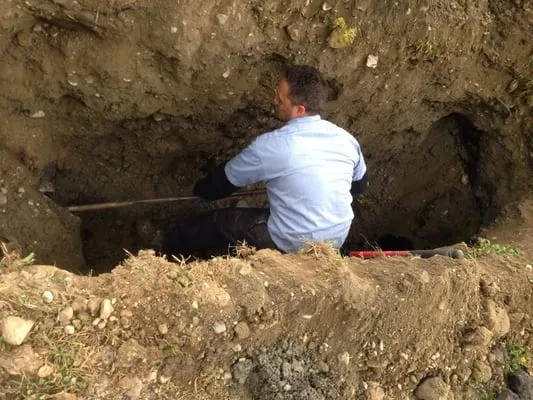
Emergency Cesspool & Sewer Cleaners Inc. is a family-owned and operated business in Ronkonkoma, built on a powerful personal mission. Our owner, a pioneering female entrepreneur in Suffolk and Nassau ...
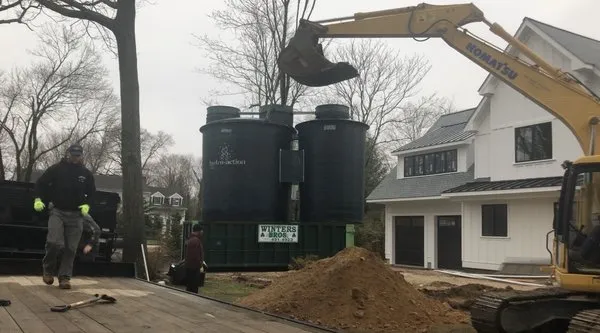
A & A Sewer and Drain Maintenance
A & A Sewer and Drain Maintenance has been serving Rocky Point and Suffolk County since 1992, with our own company established in 2011. I grew up in this business starting as a teenager and took on le...
Estimated Plumbing Costs in Long Hill, CT
FAQs
Do I need a permit to replace my water heater in Trumbull?
Yes, the Trumbull Building Department requires permits for water heater replacements to ensure the installation meets current safety and building codes. As a licensed professional, I handle that red tape, including scheduling the required inspections. My credentials are registered with the Connecticut Department of Consumer Protection, which provides you with legal recourse and guarantees the work is bonded and insured.
How fast can a plumber get to my house in Long Hill?
Heading past Twin Brooks Park on CT-15 provides a direct route into the Long Hill neighborhoods. From that starting point, a typical dispatch during normal traffic is about 20-30 minutes. We monitor local traffic patterns to choose the most efficient path, avoiding known bottlenecks to ensure a prompt arrival for your emergency call.
How long do galvanized steel pipes last in a Trumbull home?
Galvanized steel pipes installed around 1961 are now 65 years old, which is well past their service life. Homeowners in Trumbull Center are currently seeing widespread internal rust and scale buildup, which dramatically reduces water pressure and flow. This corrosion inevitably leads to pinhole leaks, often first appearing at threaded joints or in low spots. Planning for a full re-pipe is a prudent step when a system reaches this age to avoid repeated emergency repairs.
Could the hilly land around here cause plumbing problems?
The sloping terrain, like around Twin Brooks Park, puts constant stress on underground sewer and water mains. Over decades, soil shifting and settling can cause pipes to sag or develop bellies where waste collects, leading to chronic clogs. For homes at the bottom of a hill, this also increases the risk of storm water infiltration into older sewer lines during heavy rain.
Does hard water from the reservoir damage my plumbing?
Yes, the mineral-rich water from our local reservoir system accelerates wear. Hard water causes limescale to build up inside pipes, water heaters, and fixture valves. In a water heater, this scale acts as an insulator, forcing the unit to work harder and fail prematurely. Installing a whole-house water softener is the most effective defense, protecting your appliances and improving soap efficiency.
Why is my water pressure so low in my 1960s house?
Low pressure in a home built around 1961 is a classic symptom of advanced galvanized steel pipe failure. The interior of the pipe corrodes and accumulates mineral scale, sometimes narrowing the diameter to a pencil-thin opening. This calcification occurs throughout the system, but you'll notice it most at fixtures farthest from the main or on upper floors. Replacing sections often just moves the problem; the entire supply line is likely compromised.
As a suburban homeowner, what should I know about my main water line?
Your main water line from the street is your responsibility up to the municipal meter. In our suburban setting, the most common failures are due to age-related corrosion in older materials or damage from landscaping work. Knowing the location of your main shut-off valve is critical. A sudden drop in pressure throughout the house, or a consistently wet spot in your yard, often signals a break in that buried line.
What's the most important spring plumbing maintenance for this area?
Before the spring thaw hits its peak, disconnect and drain your garden hoses. A hose left connected traps water in the exterior faucet, which can freeze and crack the pipe inside your wall, leading to a major leak when things warm up. It's a simple two-minute task that prevents one of the most common seasonal repairs we see after a cold snap around 20 degrees.
