Top Emergency Plumbers in Kent, CT, 06754 | Compare & Call

There are 86 plumbing companies server in Kent CT
Hamilton Heights Plumbing and Heating
Hamilton Heights Plumbing and Heating is a family-operated plumbing and heating service based in Manhattan, NY, with over two decades of expertise. Founded by master plumber Matthew, who is supported ...
Browns Plumbing Heating and Air Conditioning
Browns Plumbing Heating and Air Conditioning is a trusted local provider in Cornwall-on-Hudson, NY, dedicated to the comfort and reliability of your home's essential systems. We specialize in professi...

Quick Response is a licensed plumbing service provider based in Port Chester, NY, serving both Connecticut and New York areas. We offer a comprehensive range of plumbing solutions, from routine instal...

MOD Home Innovations is a family-owned and operated home improvement company serving Amenia, NY, and surrounding areas. With over 10 years of experience across electrical, plumbing, carpentry, and lan...
Lakeside Plumbing, Heating, and Cooling
Lakeside Plumbing, Heating, and Cooling was founded by a local professional who saw an opportunity to serve Hopewell Junction homeowners better. Driven by a commitment to quality workmanship and fair ...

Appolo Heating
Appolo Heating is a trusted HVAC and plumbing company serving homeowners in Wappingers Falls, NY, and the wider Hudson Valley. We focus on the comfort points that matter to you, offering reliable heat...
Kulk's Plumbing and Heating has been a trusted local resource for Dutchess County, including Lagrangeville, Spackenkill, and Wappingers Falls, since 2004. We provide comprehensive plumbing and HVAC se...
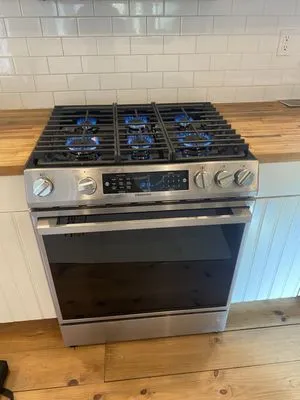
Nick's Appliance Delivery and Installation
Nick's Appliance Delivery and Installation is a locally owned and operated service in Poughkeepsie, NY, founded by Nick in 2023 after over 25 years of experience in appliance, plumbing, and electrical...
Roberto Plumbing & Heating has been serving Woodstock, NY, and the broader Hudson Valley region for over 20 years, building a trusted reputation for reliable plumbing and HVAC services. We specialize ...
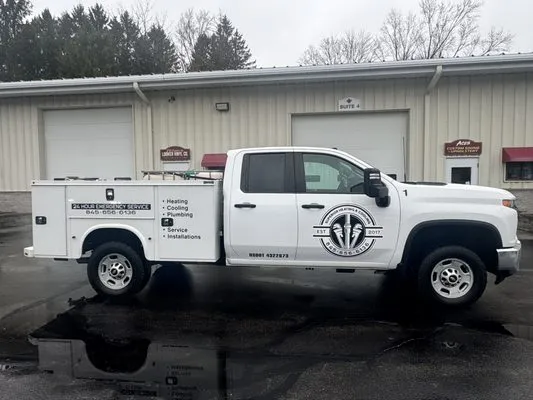
Superior Heating & Cooling
Superior Heating & Cooling is a family-owned and operated HVAC and plumbing business serving Salt Point and the surrounding communities. Founded in 2017, the company is built on over two decades of co...
Estimated Plumbing Costs in Kent, CT
Questions and Answers
How long does it take for a plumber to get to Kent, CT for an emergency?
For a call from my shop, heading past Kent Falls State Park on US-7 into Kent Hollow typically takes 45 to 60 minutes. That route is the main artery, but travel time can vary with weather and seasonal traffic. It’s a good practice to shut off your main water valve immediately if you have a major leak—that buys the time needed for a proper response.
What causes pinhole leaks in copper pipes in older Kent homes?
In 1970s-era copper systems, pinhole leaks are often due to a combination of age and localized corrosion. Water velocity and minor imperfections in the pipe wall can create spots where protective mineral scales get scoured away. Once the bare copper is exposed to corrosive water, it can fail rapidly, leading to those small, frustrating leaks that seem to reappear.
Does well water in Kent ruin water heaters faster?
Yes, it can. Private wells in this area often draw acidic, corrosive water that lacks the mineral buffers found in municipal supplies. This water aggressively attacks the anode rod in your water heater, consuming it quickly. Once that rod is gone, the tank itself begins to corrode, leading to premature failure and sediment buildup that reduces efficiency.
Who handles permits for a plumbing job in Kent?
I manage all required permits through the Kent Building Department and maintain a current license with the Connecticut Department of Consumer Protection. For homeowners, this means the paperwork, inspections, and code compliance are handled professionally. You won't need to navigate the red tape yourself, which ensures the work is documented and legal for your property records.
Why are homes in Kent Hollow starting to have plumbing problems?
Many homes here were built with copper plumbing around 1970, which means the pipes are now about 56 years old. At this age, the copper has been through thousands of thermal cycles and decades of water contact. Homeowners are often seeing the first signs of systemic wear, like recurring pinhole leaks in certain pipe runs or a noticeable drop in water pressure, which signals it's time for a professional assessment.
What's the most important spring plumbing tip for a Kent homeowner?
Before the spring thaw hits its peak, inspect any exposed pipes in crawl spaces or basements for condensation or minor frost cracks that developed over winter. The rapid temperature shift from a 15-degree night to a thawing day can turn a small crack into a burst pipe. A quick check and some added insulation on vulnerable lines can prevent a major emergency.
Are septic and well systems in rural Kent different to maintain?
They require a more integrated approach. A failing pressure tank or well pump can send sediment into your home's plumbing, clogging fixtures and valves. Similarly, what goes down your drain directly impacts your septic field. Using the wrong soaps or overloading the system can lead to backups that are as much a plumbing issue as a septic one.
Can the hilly land near Kent Falls cause plumbing issues?
The slope affects drainage and pressure. A home built into a hillside may have its main supply line under constant static pressure from the elevation change, stressing fittings. Conversely, drainage lines from uphill fixtures rely heavily on gravity, so even a slight settlement or root intrusion can lead to slow drains or backups that need addressing.
